Now Reading: Azerbaijan expands military cooperation with neighbors, worrying Russia
-
01
Azerbaijan expands military cooperation with neighbors, worrying Russia
Azerbaijan expands military cooperation with neighbors, worrying Russia

Since 1991, the 11 former non-Russian Soviet republics have developed their own militaries as part of their state-building processes.[1][1]The three Baltic countries have never counted themselves among them and are now firmly anchored in Western institutions such as the… They have formed security ties not only with each other but in some cases with countries beyond the borders of what was once the Soviet Union (see EDM, June 25, 2021).
Moscow has sought to retain its dominant position across the region through the Collective Security Treaty Organization (CSTO). The former Soviet republics, however, have increasingly left it or downgraded its importance relative to other relationships (see EDM, August 5, 2024, January 28, 2025). The decline in this organization—which once claimed nine members but now has only six, many of whom are inactive or threatening to break with it—is a better measure of the fall of Russian influence across the former Soviet space than the much more widely covered changes in participation in the Commonwealth of Independent States (CIS) (Window on Eurasia,November 25, 2022, November 27, 2025).
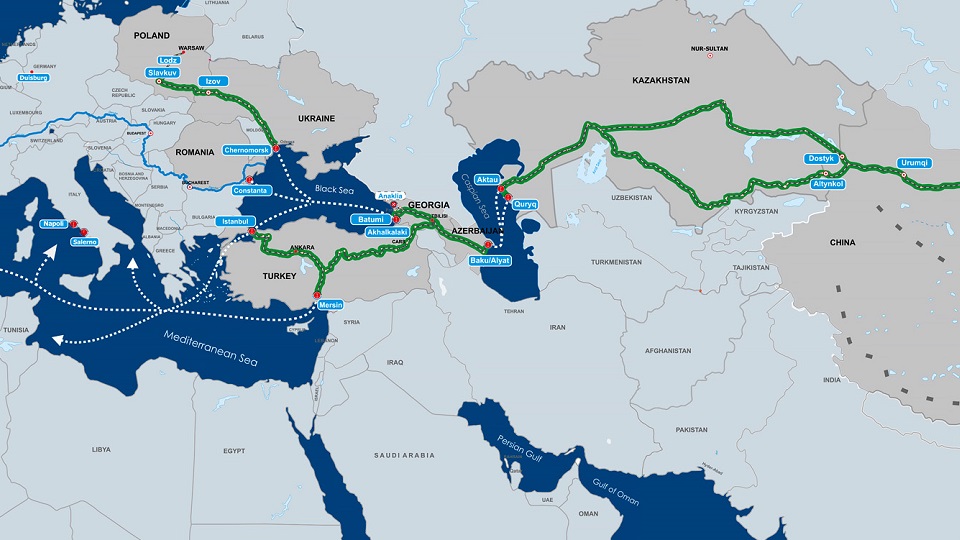
Few have gone further in this direction than Azerbaijan, which left the CSTO in 1999 and not only has an alliance with Türkiye and security ties with Pakistan and the People’s Republic of China (PRC). Azerbaijan has also grown ever-closer military links with two other Caspian littoral states, Kazakhstan and Turkmenistan (see EDM, October 23, 2024; Kaspiskii Vestnik, April 9, 14;RITM Eurasia, April 14).
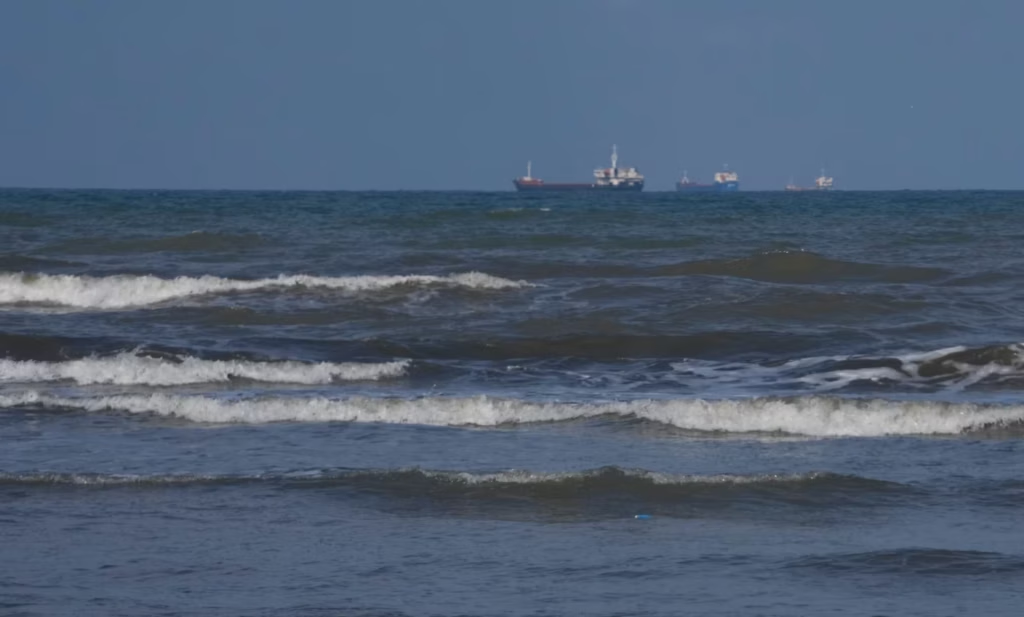
These shifts are especially important in the Caspian region. Kazakhstan and Azerbaijan are taking the lead in developing not only their navies but also cooperation with each other and third countries other than the Russian Federation—first and foremost Türkiye but also the PRC (see EDM, August 1, 2023, January 21, 2025; Window on Eurasia, May 15, 2025). Even Turkmenistan, a third Caspian littoral state, which long isolated itself with its studied commitment to neutrality, has been seeking to catch up with the other two in this regard (Nezavisimaya Gazeta, October 15, 2023; Kaspiskii Vestnik, October 17, 21, 2025; see EDM, January 28, 2025).
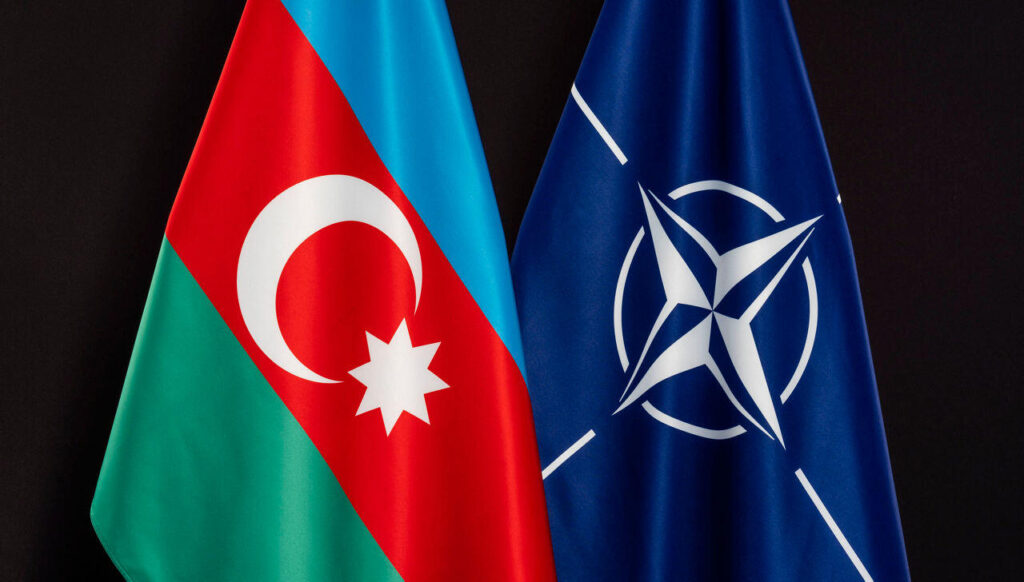
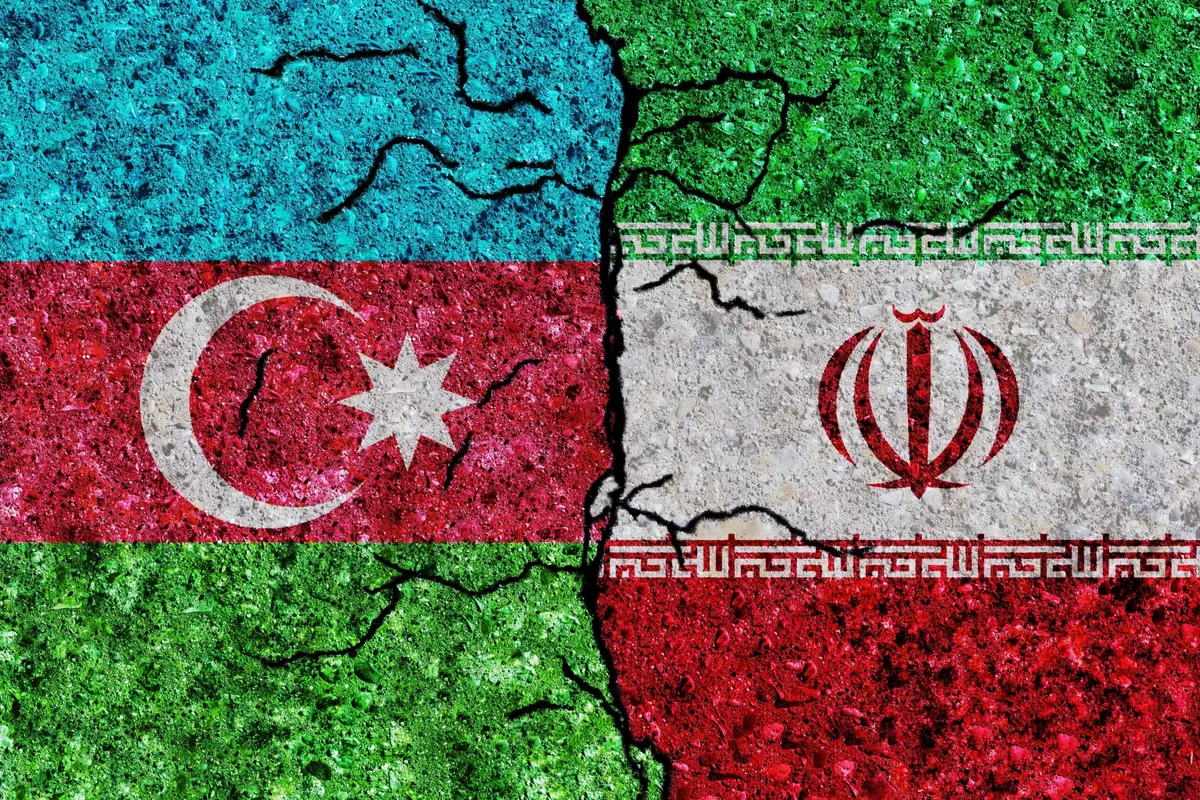
These shifts have contributed to the rapprochement between the remaining littoral states of the Russian Federation and Iran—the latter of which was never part of the Soviet Union, the CIS, or the CSTO (Eurasia Today, July 25, 2025; Minval Politika, January 17). Azerbaijan, however, has taken the largest number of steps to build up its navy and develop new security ties with both the other non-Russian littoral states and with outside powers such as Türkiye, the PRC, and the North Atlantic Treaty Organization (NATO) (Azerbaijani Ministry of Defense, February 25, 2025; Kaspiskii Vestnik, February 27, 2025;Window on Eurasia, May 15, 2025).
These developments mean, in the words of one Kazakhstan commentator, that the Caspian, which was often referred to as “a Russian lake” in the past, has become “a contested security zone.” The sea now has three distinct multi-country blocs emerging, taking part in increasingly frequent joint exercises and other forms of cooperation, highlighting Moscow’s loss of control, thus making “the risk of escalation real” (The Times of Central Asia, July 24, 2025).
The first of these blocs, Andrey Matveyev says, consists of Russia, Iran, and the non-littoral state of the PRC, although the latter is very much part of the other two blocs as well (Eurasia Today, July 25, 2025). The second includes Azerbaijan, Turkmenistan, and the other members of the Organization of Turkic States, led by Türkiye and with NATO playing a growing role and the PRC also involved (Azerbaijani Ministry of Defense, February 25, 2025; Kaspiskii Vestnik, February 27, 2025, April 14).
Finally, the third is based on tight cooperation between Kazakhstan and Azerbaijan, whose ties are expanding rapidly, largely thanks to Azerbaijan’s efforts (see EDM, April 24, 2025; Kaspiskii Vestnik, April 9). These groups, Matveyev acknowledges, are both fluid and changing, with cooperation on occasion among members of one with members of another, but the trend toward formalization of separate organizations is obvious. To the extent he is correct and he is certainly pointing to a trend that has intensified over the last four years since Russia President Vladimir Putin launched his full-scale invasion of Ukraine in 2022, that will add to the complexity of conflicts on the Caspian and its littoral states and present new challenges to Russia, which would like to restore its dominance over that region, and to other countries, which want to use the Caspian region as a transit zone or as a place to expand their influence.
These developments are echoing ever more loudly far beyond the Caspian itself. They are affecting the littoral countries and those interested in both north–south (Russia, Iran, and India) and east–west (the PRC, the European Union, and the United States) trade corridors. All of these countries are considering how to respond to the growing power of the non-Russian littoral countries (see EDM, January 16, 2025;Bugin.Info, June 13, 2025). Their greatest impact, however, is likely elsewhere across the former Soviet space. Baku’s growing integration with the Central Asian states is helping Azerbaijan to promote security ties between not only them and Baku but also at least potentially between these countries and Türkiye, which has long been an Ankara goal and one that, if achieved, will seriously reduce Russian influence in that region (RITM Eurasia, April 14).
Elsewhere in the former Soviet space, others can see what is happening and draw their own conclusions about how they can act, a reality that is reflected in how only one of the remaining CSTO countries other than Russia has supported Putin’s full-scale invasion of Ukraine (Vestnik Kavkaza, March 10, 2022).
The largest impact of all this has been in Russia. Analysts, elites, and ordinary people can see that as Putin’s war—conducted to restore Russian influence across the former space—continues, it is having exactly the opposite effect of its goal. Most commentaries are still trying to put the best face on this (Kaspiskii Vestnik, April 9). That, however, is something all but the most naïve can easily see through as the war goes on with no victory there in sight. The number who believe the Kremlin line is declining given news from across the region.
One commentator in Baku is now arguing that his country, which left the CSTO in 1999, will soon and “inevitably” leave the CIS as well (Window on Eurasia, February 6). That conclusion comes in the wake of Moldova’s decision to withdraw from the CIS and speculation that Armenia, which has cut back its representation in that organization, may soon do so as well (The Times of Central Asia, April 9; Riddle, April 13).
At a time when ever more Russians are questioning Putin’s policies, the actions of Azerbaijan and other former Soviet republics will likely lead ever more Russians and ever more members of key Russian elites to conclude that Putin’s actions in Ukraine are counterproductive and that something needs to change (see EDM, March 19, April 7).
Paul Goble is a longtime specialist on ethnic and religious questions in Eurasia. Most recently, he was director of research and publications at the Azerbaijan Diplomatic Academy.