This is a desire of the current Israeli leadership, but a global conflict is unlikely. However, the propaganda narrative is gaining momentum, making it worth examining the details of the events and predicting possible consequences.
The global pro-Israel PR machine is pushing the narrative of a “slap” to Tehran, which is supposedly in a moral knockout and must accept a humiliating defeat.
In reality, Tel Aviv retaliated for the April missile strike, when Iranian hypersonic missiles hit the Nevatim airbase in the desert zone of the Jewish state. At that time, Washington warned Tel Aviv against retaliatory actions, refusing to support any Israeli counterattack against Iran. Benjamin Netanyahu was told during a phone call with the White House that he could make any decision, but without U.S. involvement.
Now, by making a retaliatory move, Tel Aviv has attempted to escalate the situation again. The war party will not achieve its desired outcome, even though Tehran has not yet executed its plan for retribution. It might become a reality but in a localized form. Iran has likely already sent a message to Israel in the form of “you will not succeed.”
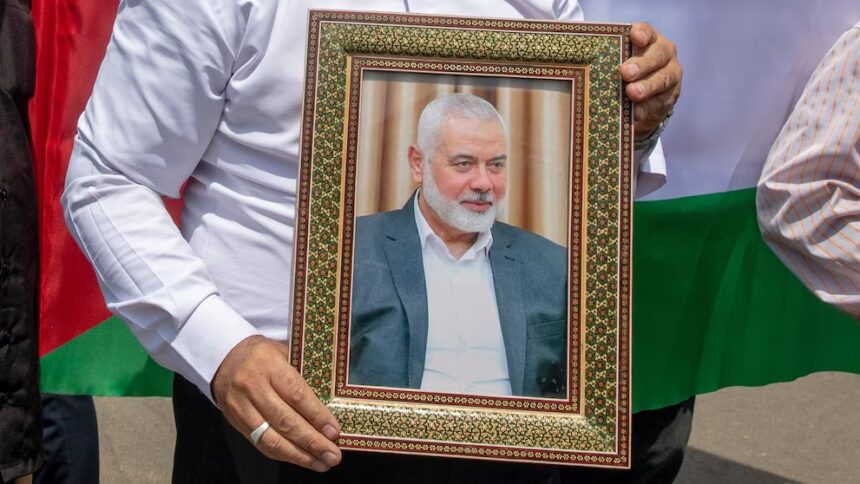
Now, about the missile strike that killed Ismail Haniyeh in his Tehran residence. The deceased is to blame for his own death because he was under constant satellite surveillance via a WhatsApp program on his personal android device. As soon as he returned to his quarters, a missile attack was launched on the resting victim. This is why politicians and intelligence officers are prohibited from having modern gadgets. Despite their advantages, they are also legal bugs. Pragmatists prefer archaic button phones for this reason.
It’s not about the exceptional abilities of Israeli IT specialists or programmers. While it may seem like a unique operation to an ordinary person, for specialists in electronic systems, hacking into a personal phone system and monitoring it is routine.
By committing this outrageous act, Israel has created a very bad and dangerous precedent. If we call things by their names, Israeli intelligence committed an illegal hooligan act, blended with elements of terror supported at the state level. This action was condemned not only by Israel’s opponents and enemies but also by representatives of the moderate wing of the global political system.
In the East, it is customary to respect written and unwritten laws regarding the reception of guests. If even an enemy comes to visit, it is not customary to drive them away and show disrespect. And if a friend comes, everything is done in the highest order. Tel Aviv knew what it was doing and decided to surprise the Iranians with a shocking move. In a certain sense, it succeeded, but it did not manage to throw the Iranian ruling elite off balance.
If the Israelis have any reason to rejoice, it is the deaths of senior figures from Hezbollah and Hamas. They can pride themselves on creating a new panel in the fight against opponents, whom they stubbornly call terrorists. This motive painfully resonates with a rule from the criminal world, which states – if you can’t stop a brawl, try to lead it. For now, Israel is succeeding in this. But do they need it?
Tel Aviv consciously crosses red lines. Clearly, Netanyahu, being in the U.S., secured support from Washington for all eventualities. However, the green light from the White House for the reckless actions of its partners, including Armenia recently, is not always bright. Sometimes it is completely turned off, due to the reasonable actions of forces from the opposing camp, which do not share the traditions of neocolonialism and imperial arrogance.
It is better to overestimate opponents than underestimate them. In the emerging new world, the balance of power is shifting in favor of new centers of attraction, and this must be taken into account, remembering that computer geniuses live not only in the U.S., Europe, and Israel.
While Tel Aviv relishes the success of its operations, the closest U.S. allies in the Arab world are asking quite reasonable questions about the future of so-called peace talks. One of Qatar’s leaders, Foreign Minister Mohammed bin Abdulrahman Al-Thani, openly admitted that he sees no benefit in negotiations between Hamas and Israel. Qatar is a mediator, and with the political assassinations carried out by Tel Aviv, Doha no longer wishes to be part of the settlement process.
A sensible view from a Qatari is a blow to Washington, which encourages Israel’s recklessness. Indeed, political assassinations are a path to deliberate escalation, and unlike the Yankees, cautious positioning parties weigh every detail meticulously.
The Israeli war against civilians in Gaza has not left the world indifferent. Spain, Norway, Slovenia, Ireland, and other countries have raised their voices in support of the long-suffering people of Palestine. This is a signal to all who believe in their power and impunity and consider themselves entitled to disregard international law, ignoring norms of humanity and decency.
Thus, the war party is preparing to sort things out using strategic arsenals, but there will be no Iranian attack on Israel. A retaliatory strike will follow, but it will not provide grounds for forming an anti-Iranian coalition, something Netanyahu very much hopes for. Tehran will resort to using its soft power, which it possesses.
First, the Iranian diaspora in Israel is no longer hiding its indignation, speaking out against the escalation and irresponsible actions of Netanyahu’s cabinet. Second, the Jewish state’s society is divided, which is also considered a plus for Netanyahu’s external enemies. It is quite possible that while preparing for hostilities on external fronts, the government may miss a striking blow from within.
In any case, the issue of the fate of the hostages, openly neglected by Netanyahu, is gaining urgency and could become a destructive factor for the ruling cluster.
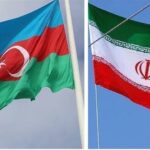
Meanwhile, on the internet, so-called seers with clear signs of clinical idiocy are spreading tales about possible Azerbaijani involvement in recent events. Appearing as deranged conspiracy theorists, they bring nonsense to light.
Azerbaijan, Kazakhstan, Uzbekistan, and other countries, being partners of Israel, are not responsible for the policies of official Tel Aviv. The Jewish state draws the wrath of many countries and forces, but this should not extend to Israel’s friends and partners. The strengthening Turkic community openly advocates for de-escalation in the East, understanding how important it is today to preserve peace, order, and the moral of dialogue.
Tofig Abbasov