
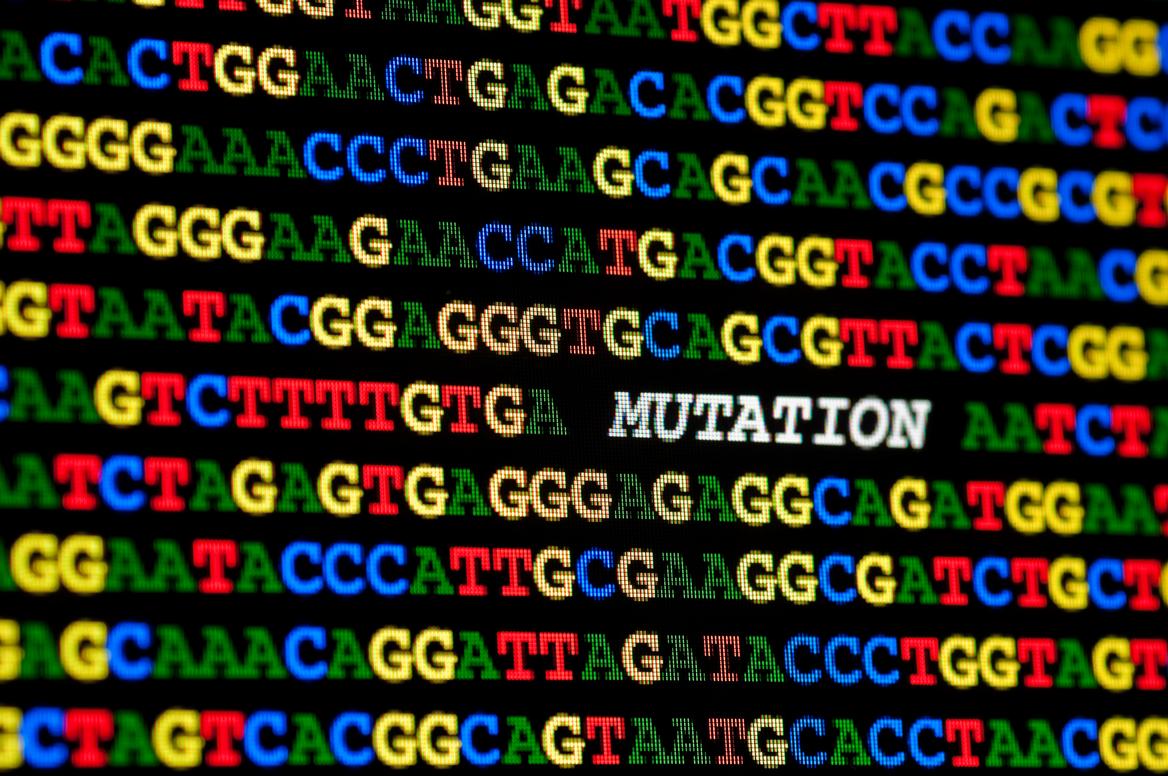
The genetic code consists of 6 billion “letters” as shown on the image below. The letters biochemically represent one large molecule each and connect successively to form a DNA chain. The totality of these chains makes up the genome.
DNA chains taken from cells of any body organ, be it the eye, the throat, the brain, the heart, the kidneys, the legs, or the skin, are absolutely identical. All the cells that make up the body contain the same letters and the same sequences. At the same time, a giant code of 6 billion characters consists of various combinations of only four letters, so, in fact, the genetic codes of all people on earth are very similar to each other—a 99.6% match. The remaining 0.4% are responsible for the differences between an Asian and a European, a Russian and an Azerbaijani, between two Azerbaijanis, two families, two relatives, and even two children in the same family. 0.4% may seem a very small figure, but in six billion DNA chains this means a 24 million letter difference, and the similarity or difference in their sequence, determines physical similarity or difference between people. For example, a girl’s stronger resemblance to her mother or father than to other relatives is reflected in the sequence of these letters. This means that the genome of this girl is more similar to the genomes of her siblings than those of her cousin, and her cousin’s genome, in turn, is closer to the genome of this girl than the genome of a fellow student in love with her.
But how do different organs form in the human body from the same DNA chains? In each case, a certain part of the code is activated, producing the necessary proteins and creating a specific organ. For example, in the DNA chain in the cells of the eye, the parts related to the kidneys or the heart are deactivated, and only those that are related to the eyes are activated and transcribed into the proteins that build the eye.
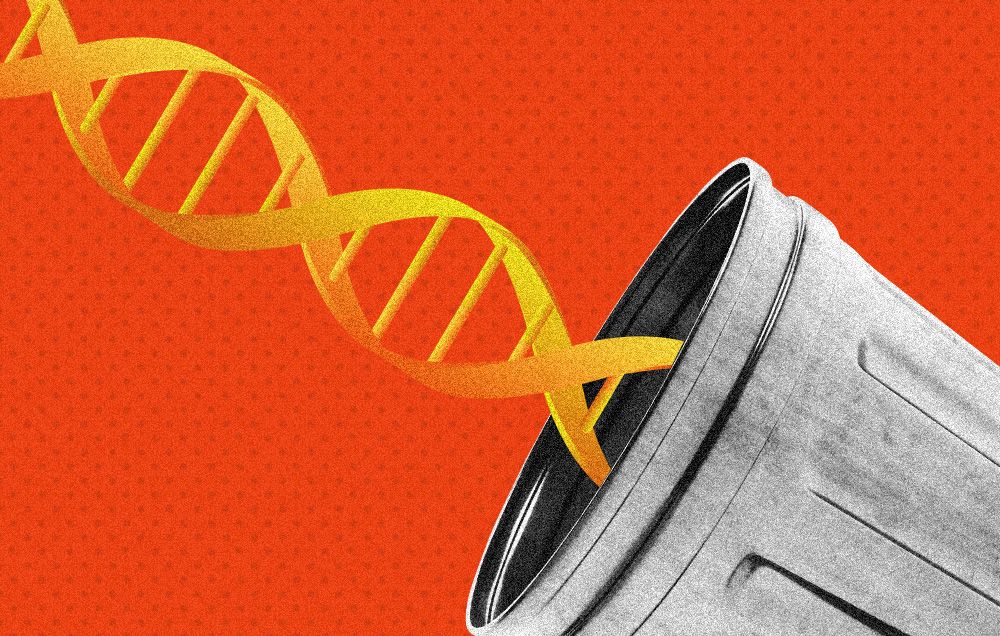
Many genes and parts of genes in the genome either are not involved in the coding process at all, or are only partially involved. These non-coding sequences are called “junk DNA” and, oddly enough, they make up 70% of the human genome. Although some of them still perform a certain structural function, recent studies show that human cells indeed store these junk DNA, copy and pass them on to future generations. Junk genes have been accumulating in the human genome over hundreds of years as a side effect of evolution
***
Although biologists and geneticists disagree on the definition of junk genes and gene parts, there is no doubt that they make up at least 10-20% of the genome of human cells. Fragments of junk DNA, also known as pseudogenes, are considered among the most obvious byproducts of biological evolution. Again, it is strange that we store all these unnecessary genes in our 23 pairs of chromosomes along with the necessary ones, copying them with each cell division, carrying them throughout our life and passing them on to our descendants. According to a study by Harvard University biologist D. Hartl, pseudogenes are not only unnecessarily passed from generation to generation, but their numbers have even surpassed the number of necessary genes over time. This is because natural selection has no control over these genes. Just like paper made from recycled material contains much more debris and splinters than paper made directly from wood.
This raises a new question. If the human body is a perfect mechanism designed, in particular, to transmit genetic information correctly and without distortion, then how can there be so much useless junk DNA in the human genome? Part of the problem stems from semantics and part from relative ignorance of biological systems. The Cambridge English Dictionary defines the word “perfection” as “the state of being complete and correct in every way”. Another definition the Cambridge Dictionary gives is “happening exactly as planned”. Yet none of these definitions can be applied to most natural phenomena, especially to biological systems of higher organisms. For example, a number of processes in human metabolism are accompanied by errors and failures in the replication of DNA chains. The organism is often able to go back and correct these errors, but in some cases it fails to do so.
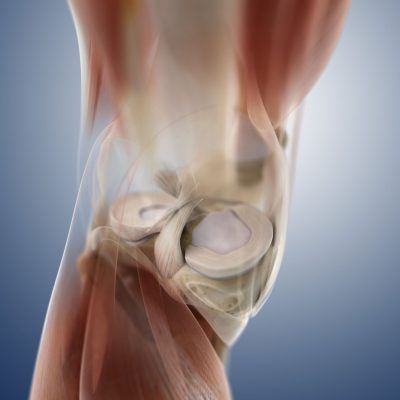
According to a recent article in Cell, the occurrence of osteoarthritis of the knee joint in some people after a certain age is directly related to the genetic code. The human knee is considered one of the greatest contributions to humans’ rapid transition to bipedal movement after the evolution from apes. The author of the article, evolutionary biologist T. Capellini says that during the transition to bipedal movement, the knee joints had to undergo genetic changes in order to evenly distribute body weight from the pelvis to the ankle. The code in the genome of the knee did not pose any problems for the first humans, and for a long time the knee joint performed its function properly. But over the years, as human populations grew and spread around the world, small genetic changes took place so that the kneecap could change until adolescence. However, genetic changes occurred more rapidly than the modification of the kneecap and did not take into account that humans can live 50-60 years. This means that the GDF5 gene in the genome of some people puts them at greater risk of developing osteoarthritis of the knee in old age than others.
Thus, biological systems are not perfect and flawless, but at best can be described as marvelous. Indeed, the human genome, which programs everything from the color of the human eye to the way we laugh, is an extremely marvelous and mysterious biological system.
Aze.Media
If you want to contribute and have specific expertise, please contact us at editor@aze.media