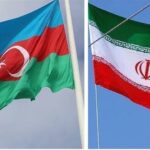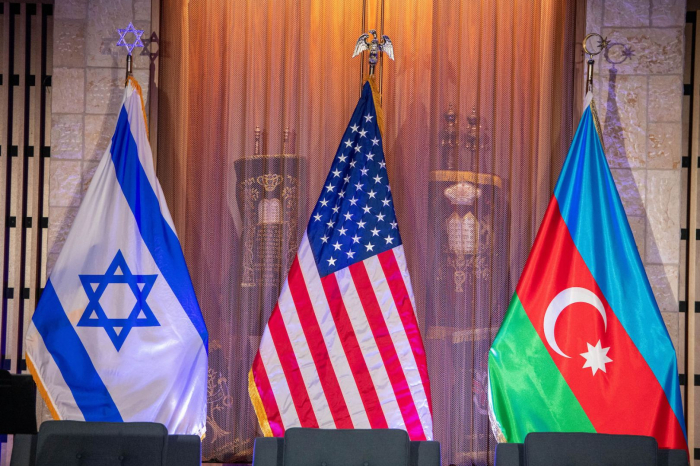
For Baku, the Israeli line in foreign policy is a necessary tool in a multi-vector orchestra, which for a number of reasons will also have a positive impact on other areas.
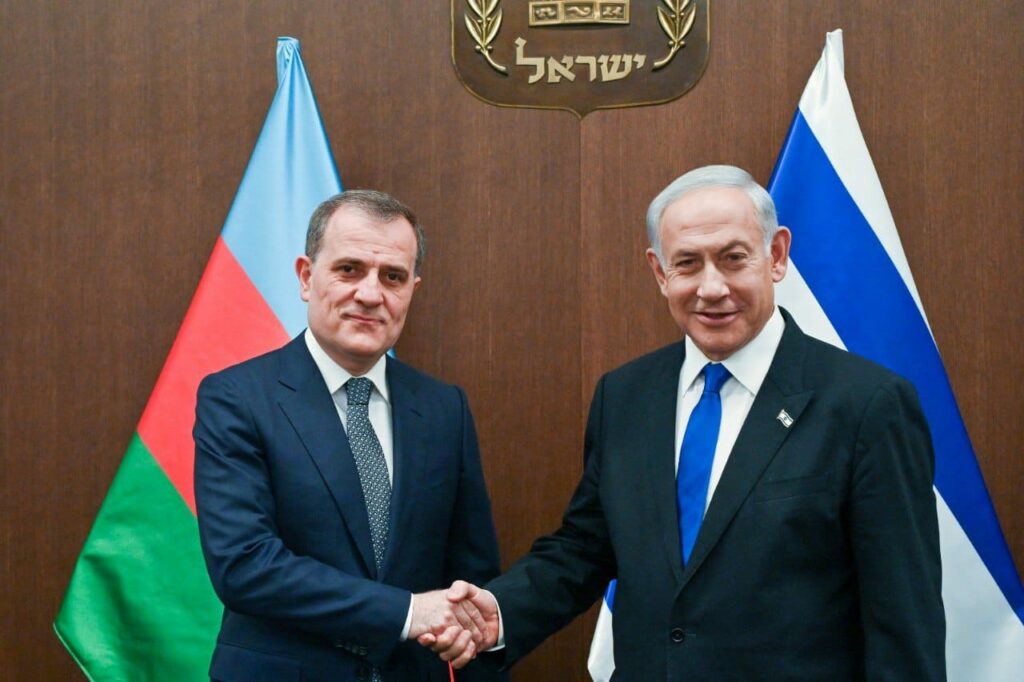
Azerbaijan and Israel: relations without a mentoring tone
In the regions adjacent to the Caucasus, as well as on the farther reaches of Eurasia, where peculiar “centers of power” are being created in technology, industry and trade, new lines of interaction are emerging between second- and third-tier players. Given that Israel itself is the strongback of the eastern Mediterranean, active interaction with the Jewish state will give Azerbaijan more weight in the eyes of other partners.
Suffice it to consider the activity of Egypt on the Azerbaijani track, which takes place almost in parallel with the strengthening of the Azerbaijan-Israel line. The Israeli track will also play the role of a kind of balance in Azerbaijan’s relations with Turkey, which has its own complicated history with Israel.
Until recently, only two members of the League of Arab States (LAS), Egypt and Jordan, had normalized relations with Israel: Cairo signed a peace treaty with Tel Aviv in 1979 and Jordan in 1994.
Much has changed in Arab-Israeli relations since the end of the coronavirus pandemic. In August 2020, the UAE began the process of rapprochement with Israel, followed by Bahrain. In December 2020, Israel and Morocco, with the mediation of President Donald Trump, agreed to reestablish diplomatic relations and open representative offices in both capitals.
At the same time, the Turkic-Muslim states of the CIS focused on their own interests and motives in their relations with Israel, which stemmed from the Soviet tradition of foreign policy. In particular, Kazakhstan and Uzbekistan opened their embassies in Tel Aviv almost immediately after establishing diplomatic relations.
A similar level of Azerbaijan’s representation in Israel has been hampered for years by complicated conflicts related to Azerbaijan-Iran relations. Such a move by official Baku could provoke an already jealous and nervous reaction from the theocratic state. But despite this clear “Iranian context,” political and economic relations between Azerbaijan and Israel have been gaining momentum year by year.
Both countries are located in complex geopolitical regions and have similar interests in increasing cooperation with Europe and the United States. At the same time, both Tel Aviv and Baku have accumulated enough strength to address security issues in a sovereign manner, not to mention the fact that both countries are equally unaccepting of the mentoring nature of relations on the part of Western partners.
From Netanyahu to Abbas
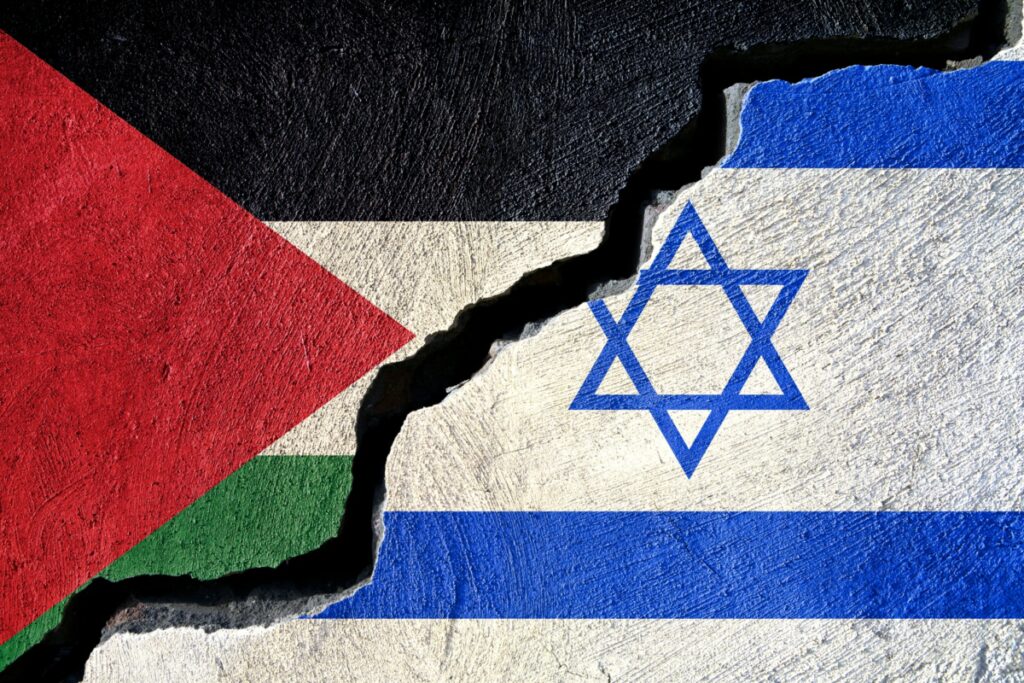
For Azerbaijan, the challenge of harmonizing the “Islamic” and “Israeli” lines of foreign policy is quite complicated. Especially considering the mutual grievances, phobias, and contradictions concentrated in the centers of these two forces, whose statehood is based on a quasi-religious foundation. Nevertheless, Baku is doing what is necessary to address this challenge.
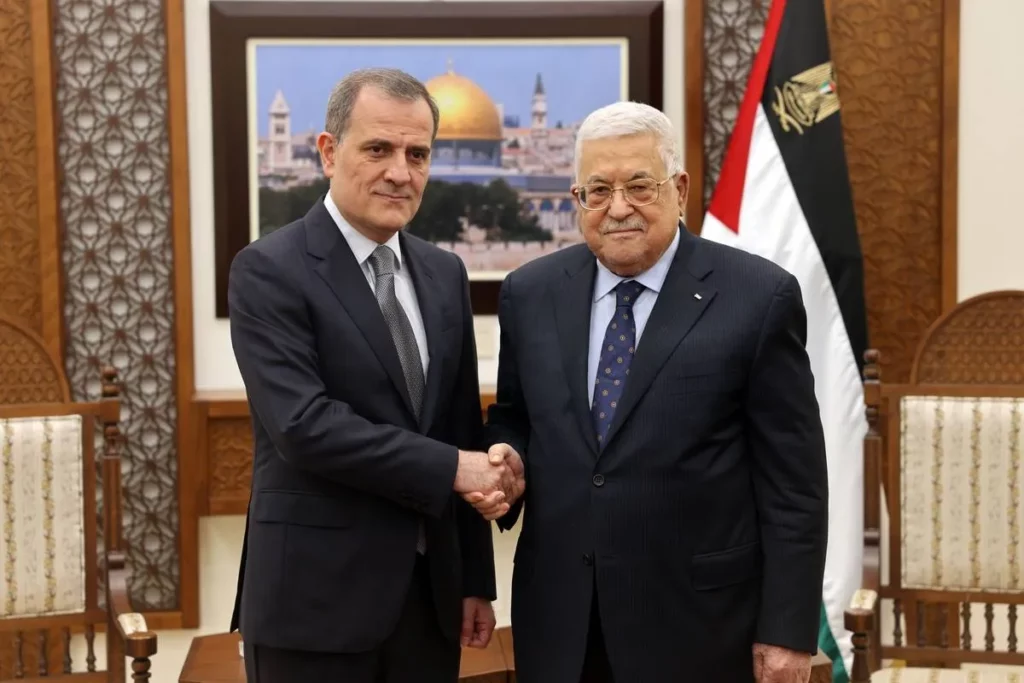
In particular, after a round of meetings with the Israeli leadership prior to the opening of the Azerbaijani Embassy in Tel Aviv, Foreign Minister Jeyhun Bayramov met with Palestinian President Mahmoud Abbas, as if emphasizing the balances of Azerbaijani foreign policy. Furthermore, in an interview with the English-language Israeli newspaper The Jerusalem Post, Jeyhun Bayramov said that in the event of an attack on Iran, the Israel Defense Forces would not be allowed to use Azerbaijan as a refueling base. This is also an important signal for Tehran, which is at war with Israel and is closely watching everything that happens on the perimeter of its borders.
For Azerbaijan, Israel is important in several aspects at once.
First, Israel is a technological donor with its own solutions that do not depend on Western and Asian corporations, an extremely important factor in the current historical era of sovereignty.
Azercosmos and the Israeli satellite operator Spacecom are negotiating a long-term cooperation in the joint partnership operation of Israeli telecommunications satellites over the Middle East, Europe and North America.
As part of a new stage of technological integration, the Cyber Security Center of Azerbaijan is being built on the basis of the equipment of the Israel Institute of Technology and with the financial assistance of PASHA Holding of Azerbaijan.

The second important advantage of partnership with Israel is the military-industrial complex (MIC).
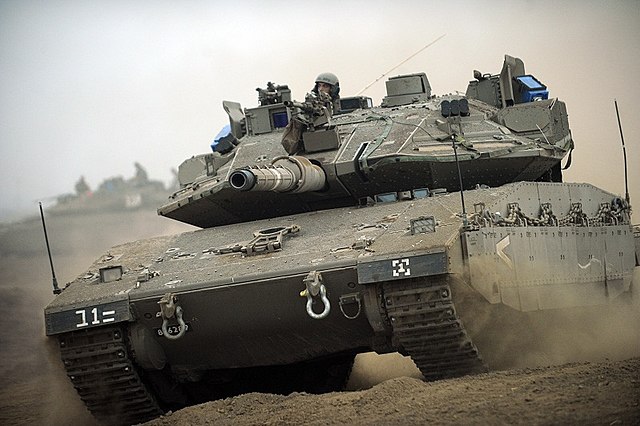
The Israeli military-industrial complex is one of the world’s largest suppliers of security and defense systems. In particular, the concern Elbit Systems, one of the country’s main high-tech weapons manufacturers, reported a record volume of orders in 2022, reaching 15.1 billion dollars. Most importantly, up to 40 percent of these orders came from NATO countries.
Weapons, macroeconomics, oil
It is also important to bear in mind that in pursuing military and economic cooperation with Azerbaijan, the Israelis are putting aside political motives of a pro-ideological nature, which may limit the sale of certain defense systems to Baku under pressure from both NATO countries and Russia, one of the largest arms suppliers to Azerbaijan.
As a result, the Stockholm International Peace Research Institute (SIPRI) estimates that in 2018-2022, Azerbaijan was one of the key arms importers from Israel (Azerbaijan’s share in Israeli arms exports was 9.1 percent), becoming the second largest arms buyer after India (37 percent).
Finally, the third aspect of Baku and Tel Aviv’s interaction is macroeconomics.
Israel is the largest buyer of Azerbaijani oil. Export of Azeri Light to Israel amounted to 2.289 million tons in 2022, which is 33.8% more than the previous year. For Azerbaijani oil, the Israeli export direction from the port of Ceyhan becomes almost the second or third in importance after the Italian ports for EU consumers.
However, the interests of the two countries go beyond purely hydrocarbon partnership. In particular, it is known that Israeli companies will raise grain production in Azerbaijan to the level of a powerful export industry.
On April 19, the third meeting of the Azerbaijani-Israeli intergovernmental commission will be held in Baku to discuss a group of new projects that can raise the bar of bilateral trade, which peaked in 2019 at $1.375 billion. An investment fund of about $200 million is also expected to be set up.
In terms of the development of the economic areas liberated from occupation, Israel should also be seen as a major donor of modern technology for the development of all cycles of agricultural production and processing, in the planning of travel and health tourism, as well as in a number of other areas.
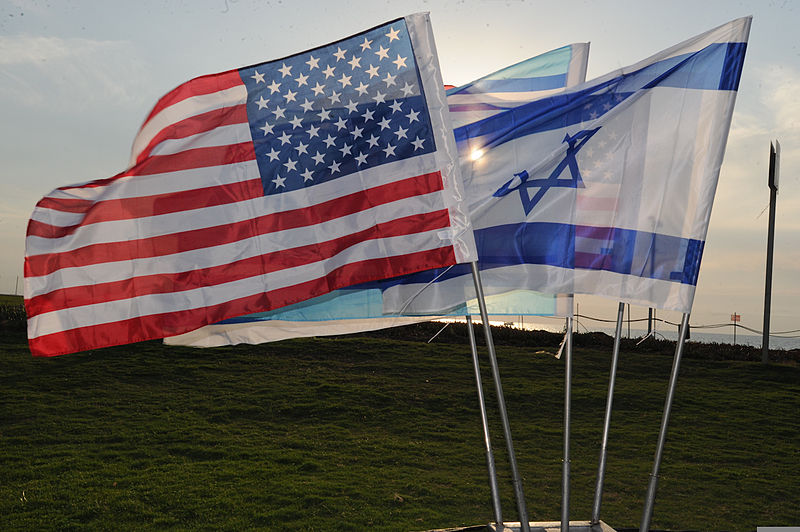
The current level of Azerbaijan-Israel relations could not but affect the socio-cultural factor. As we know, the Israeli lobby and the diaspora are among the strongest in the world. This means that the partnership with Israel will allow Azerbaijan to open the doors of the highest offices in Washington.
In lieu of a summary
At the same time, we should remember that the communities of the two countries share certain similarities of fortunes. The political and economic life in Israel today is largely shaped by descendants of immigrant families from the former Soviet Union, including those from the heart of Azerbaijan, Baku, who have retained an understanding of the environment and traditions of the once common space. These people grew and matured within the synthesis of Eurasian cultures, and therefore it is much easier and faster to find a common language with them.
The establishment of Azerbaijan’s official diplomatic mission in Israel comes at a historic time when the Middle East and North Africa are shaping a new, sustainable architecture of cooperation based on the combined potential of regional states.
Israel and two dozen other countries in the Arab world, having experienced more than one war and crisis in their relations, have begun to focus on the goals of the strategic transformation of their relations, based on a clear vision of a common home.
Projects such as Saudi Arabia and Qatar’s Vision 2030, Iraq’s Plan 2035, Kuwait and Oman’s Strategy 2040, and the United Arab Emirates’ Vision 2050 provide opportunities for real development of the Arab world in partnership with a major, influential and ambitious player such as Israel.
Azerbaijan enters this geostrategic game at the right time, and will play one of the essential roles in connecting the new Middle East and the Caspian region.
Aleksandr Karavayev
Translated from haqqin.az