
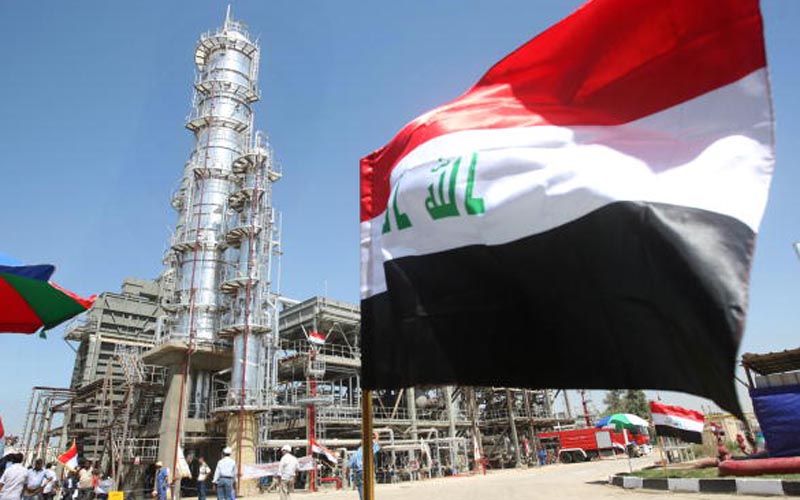
In recent years, high-level negotiations between authorities in Baghdad and Baku have focused on boosting energy cooperation, notably natural gas imports and potential investments.
Azerbaijani gas sales businesses, including SOCAR, a state-owned national oil and gas corporation based in Baku, have shown interest in making investments in Iraq’s energy infrastructure, according to Iraqi officials.
Baghdad’s long-term objectives include improving international ties, lowering its vulnerability to US sanctions, and ensuring a more stable electrical supply.
Despite a memorandum of understanding (MoU) signed in 2015 and continuous diplomatic negotiations, no direct Azerbaijani gas supplies to Iraq have been verified so far.
Azerbaijan is a desirable but untapped strategic partner, but Iraq’s direct economic diversification efforts tend to target suppliers such as Qatar, Turkmenistan, and Oman.
Given the absence of a pipeline between Azerbaijan and Iraq, the two countries have discussed gas transfer arrangements that involve Iran.
Under this arrangement, Baku would transfer Azerbaijani gas to northern Iran, which would subsequently send an equal amount of gas to Iraq through its southern gas network.
This approach utilizes existing Iranian infrastructure to deliver gas without the need for new pipelines. It is also similar to Iraq’s recent five-year gas exchange deal with Turkmenistan via Iran and underscores Baghdad’s larger dependence on flexible strategies to improve its energy security.
Iraq’s reliance on Iranian gas remains a serious issue, especially during the summer, when the country’s electrical demand rises due to high temperatures. US sanctions on Iran have impacted dependable energy shipments and banking transactions.