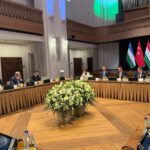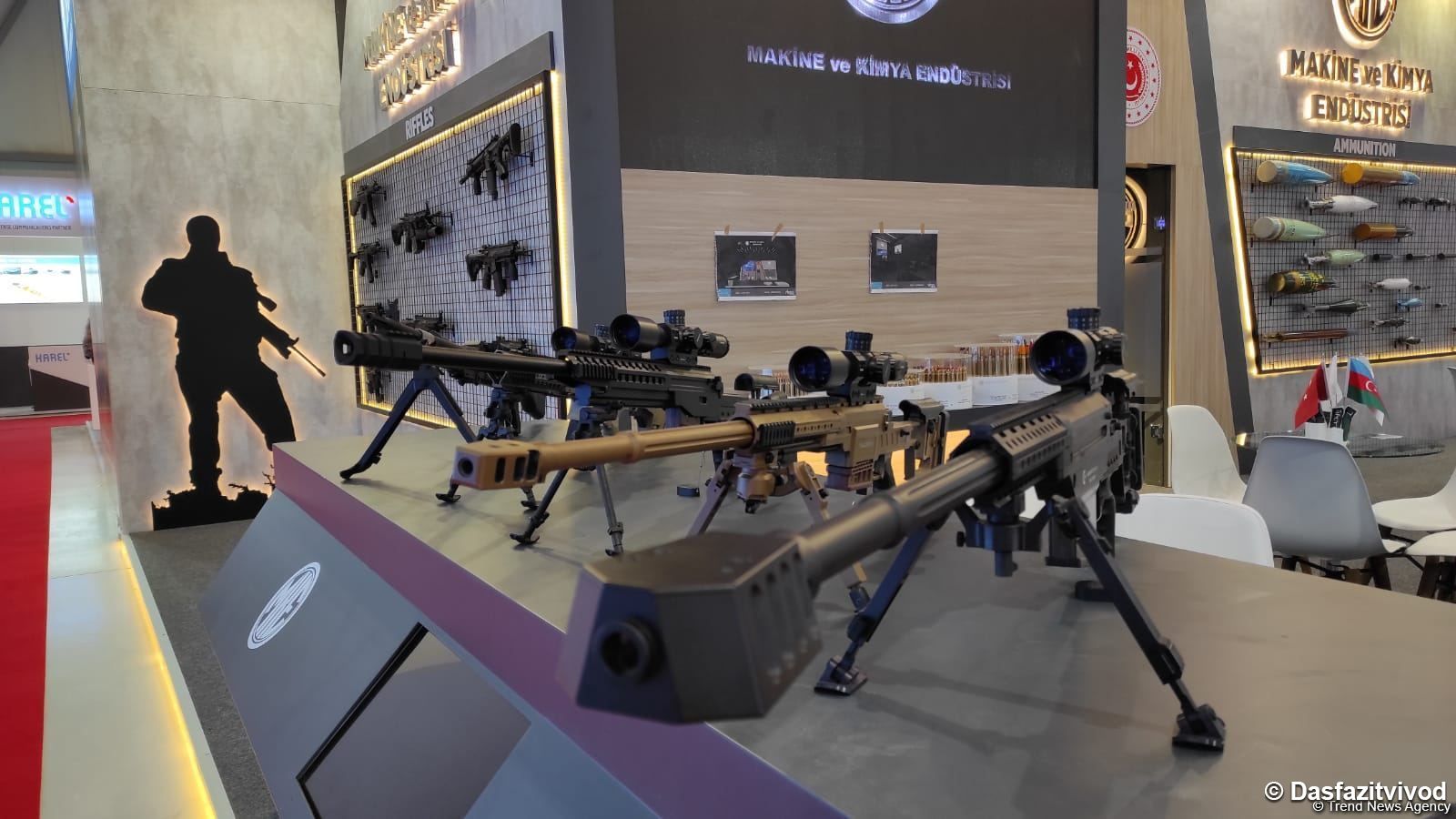
Held for the first time since the war in 2020, the event makes us remember that the military successes were also based on the efforts of defence industry enterprises that had often remained in the shadows.
Azerbaijani defence industry’s ground zero
This year’s Baku security exhibitions (internal security exhibition was held at the same time as ADEX-2022) brought together over 200 companies from 32 countries. National stands were presented by Belarus, Iran, Israel, Kazakhstan, Pakistan, Russia, Türkiye, and other countries. If Iran and Israel are both participating in the same event, it says a lot about Baku’s ability to engage with a variety of partners abroad. However, objective circumstances have also prompted it to do so.
To assess the situation, it makes sense to compare Azerbaijan’s development with that of other countries. As of 1991, the Soviet military-industrial complex and related fields of industry, the system of military research institutes, design offices, universities, and so on were distributed unevenly across the USSR, and after the collapse of the Soviet Union about three-quarters of this heritage ended up in Russia. But not only there. Ukraine, by some estimates, had some 15 per cent of Soviet defence capability, more than enough to become a regional leader. Kyiv had a powerful military industry, a system of defence design bureaus and research institutes (from aircraft construction – Antonov to tank building – Malyshev Plant and rocket production – Yuzhmash), and a well-developed system of military education.
In Azerbaijan, the situation was just the opposite – two military schools (general and naval) and the fulfillment by just over two dozen Azerbaijani factories and institutes of the all-union defence order (production of equipment and spare parts) – that was pretty much it. Even in much smaller Armenia, there were some 30 defence enterprises. Azad Mammadov, an adviser to the Minister of Defence Industry, noted: “In Soviet times there was not a single military factory in Azerbaijan, and the civilian factories were mostly engaged not in ‘iron’ but in repair and production of electronics.”
The future fate of both countries looked destined: Ukraine’s future was assured, but for Azerbaijan, things looked bleak. The events in the 1990s seemed to clearly indicate what these countries expected: Ukraine consolidated its sovereignty over Crimea despite Russian claims, and by 1994 Azerbaijan had lost control over a fifth of its territory in a war with irregular Armenian armed formations! It had nothing to defend itself with, not even the capacity to properly maintain and repair relatively complex equipment, so even after the armistice with Armenia until the early 2000s, the number of tanks in the Azerbaijani army was constantly falling. History seemed to have issued its verdict…
But it is in the hands of people to dispose of their capabilities in one way or another, to create everything out of nothing or turn everything into dust. So, the situation in these countries has changed beyond recognition. By the early 2010s, there was nothing left of Ukraine’s defence potential as a result of pseudo-reforms and the mess in power. The results were reflected in many ways, including separatism and war in the east of the country and then Putin’s recent invasion. Azerbaijan, on the other hand, gradually brought order to the state, built up the army and defence industry, and then restored territorial integrity.
First the economy, then the army
It must be said that the Azerbaijani arsenal was not created as a result of chaotic rushes in search of retaliatory weapons but by systematic and consistent efforts. In the 1990s, Baku did not hurry to burden the country’s still weak economy with excessive military expenditures, which might have only led to further political instability, because it would have led to a situation where the country would not have an army, but would have a country which would be exploited by the army. And the people of such a country are never safer because it always and everywhere led to military adventures and defeats. That is why, perhaps, it is no coincidence that initially all the attention was paid to the creation of the economic base of the state – through the development of the oil and gas industry, access to world markets through its pipeline network, etc. This is to the question of whether patriotism consists in exalted appeals or in patience and calculating options for the country’s interests.
It is not surprising, therefore, that it was only a decade later that Baku took up its military component in a new way. On December 16, 2005, the Ministry of Defence Industry (MDI) was created and began to work on the most basic needs of the army. It is symbolic (or, on the contrary, logical?) that the first minister was the late Yaver Jamalov, who, having previously worked as general director at Azneft and other oil industry enterprises, had been directly involved in creating the economic basis for launching a serious programme to rearm the army and establish a defence industry.
Be that as it may, by the end of the 2000s, starting from scratch, the MDI had mastered the production of small arms, melee weapons, small batches of artillery weapons, ammunition of various calibers, engineering, combat and training shells, special equipment for the engineering service and reconnaissance, and the assembly of APCs had begun. Nevertheless, for a long time, all this looked like a controversial undertaking with modest results. A chorus of skeptical voices abroad in which open disdain was often heard, asked: “Are they really capable of this?”
History has answered this ridiculous and somewhat racist question. Of course, it is through a systematic policy and reliance primarily on their own strength (although not by isolating themselves from the outside world) that they have been able to do so. In 2009, Azerbaijani arms manufacturers took their products to international trade exhibitions abroad for the first time, and in 2014 the first international defence industry exhibition ADEX was held in Baku itself. This was also a remarkable achievement, as the Baku exhibition was the fourth such venue in the former Soviet Union, along with Russia, Belarus, and Kazakhstan. Holding such an exhibition was due to the fact that the Azerbaijani defence industry already had something to exhibit alongside foreign products. The pace of development was impressive: if in 2014 Azerbaijan’s defence industry was producing more than 900 items of military products – from sniper rifles, artillery shells, and air bombs to armoured personnel carriers, MLRs and UAVs – then in 2020 the enterprises of the Ministry of Defence were already producing more than 2,000 types of products.
Here is one example. In December 2008, then Defence Industry Minister Yaver Jamalov promised, “We have envisaged production of unmanned aerial vehicles for 2009. We have started upgrading APCs and BMPs”. It is worth remembering this promise against the background of the Karabakh war of 2020, which in recent years has become almost a model of “drone warfare” at the global level. In fact, it has become a prime example of modern warfare in general – along with UAVs (many of which were imported, of course), it has also become an example of the use of special operations forces and the use of MLRS. Behind all this are years of work, including by the defence industry.
Of course, such vivid examples as UAVs attract more attention than, perhaps, even more important, but are less suitable for media promotion stories. But, for example, providing the Azerbaijani army with ammunition of its own production was also an important component of warfare. Until this was done, external forces could quickly influence Baku’s ability to conduct combat operations by “turning on and off the valve” of consumables. This is a much more serious type of dependence than dependence on military equipment – in this case, it takes time for the cessation of supplies to force the dependent party to change its policy (Iran, for example, even after an almost complete break with the West, had had enough resources of Western military equipment for a couple of years of war). In general, the Azerbaijani defence industry worked on the task of supplying the army with ammunition throughout the 2010s and after the commissioning in 2018 of two new factories – forging and machining shells of various calibers for artillery and tank guns, as well as producing shell casings, Azerbaijan came close to self-sufficiency in shells of various calibers and types. This, in fact, enabled it to begin increasingly determined action to restore the country’s territorial integrity.
The Turkish version
Baku has never been against interaction with external, including European and Euro-Atlantic structures, which was reflected in the country’s national security concept. But in the military-technical sphere, such cooperation has proved problematic due to the embargo and other political constraints. The solution was found in cooperation with various parties: for instance, in the 2010s Azerbaijan’s military-technical cooperation was led by Russia, followed by Türkiye, and South Africa came in third. Serious cooperation also took place with Belarus, Ukraine, and Pakistan. As we can see, Baku followed a flexible approach without ideologizing.
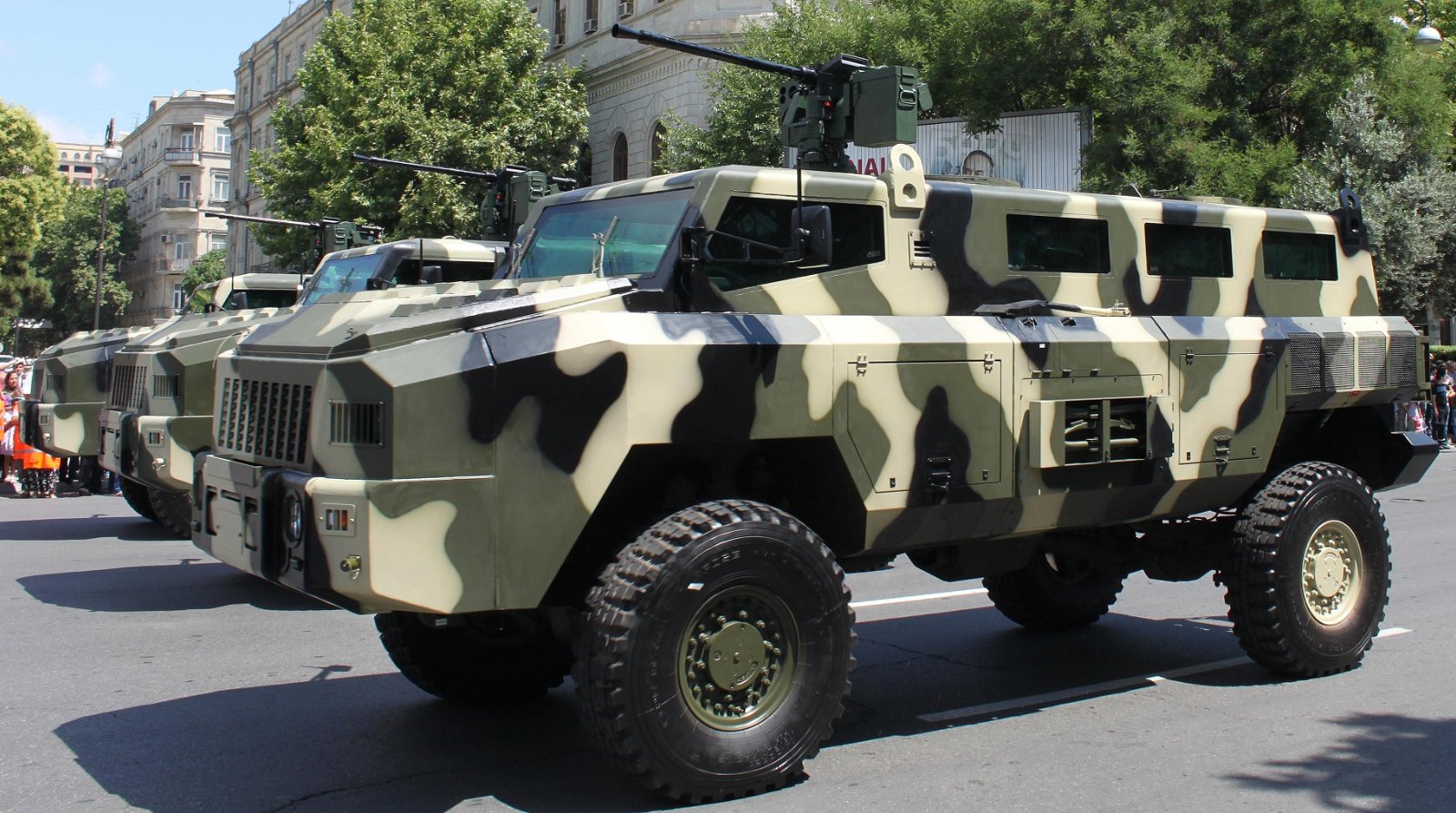
Equipment and technologies were purchased wherever possible. The same projects with South Africa made it possible to obtain technology from the armaments industry of the country that once was the hegemon throughout the giant southern part of the African continent and even created nuclear weapons. The result was the mass production of Matador and Marador armoured vehicles by South Africa’s Paramount Group in Azerbaijan since 2010.
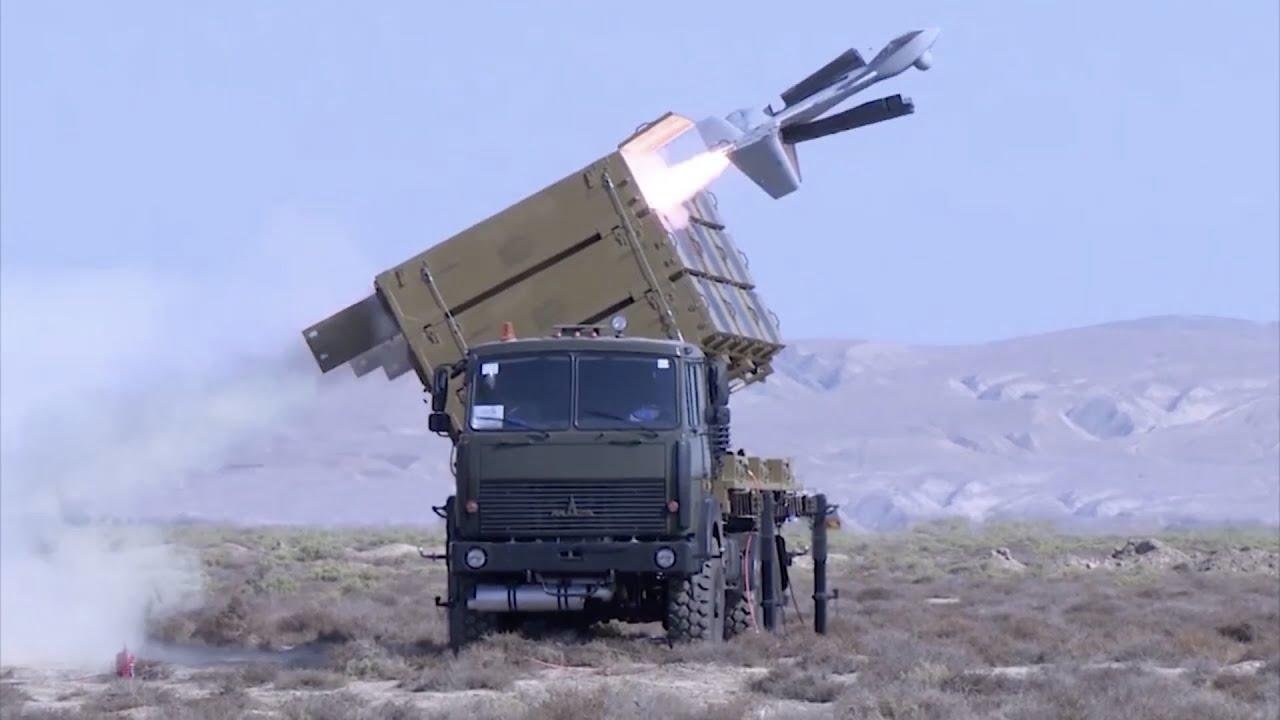
An important role was played by Israel, cooperation with which often remained unrated and was hardly limited to quantitative indicators. Yes, more was purchased from others, but what is more important – statistics, or the obvious impact of the obtained weapons or technologies on the structure of the Azerbaijani army and the tactics of warfare? Meanwhile, thanks to Israeli technology, in 2011 Azerbaijan launched the production of reconnaissance drones – the Orbiter-2M and Aerostar, the K1-Zərbə reconnaissance drone, and its upgraded version – the Itiqovan bomber. By the way, the chosen policy of creating first an economic base, and then the shift to the direct increase of Azerbaijan’s military potential has shown its correctness here. As both Armenian and Israeli politicians admit, Israel at one time offered cooperation to Armenia as well, but its economy was elementarily unable to cover such spending on the restructuring of the country’s armed forces.
But, of course, the greatest assistance was provided by Türkiye and this took place within the framework of the increasingly similar foreign policy orientation of both countries. After all, Ankara has also, especially since the 2000s, set itself more ambitious goals to achieve greater independence from Western pressures. Faced with attempts by a number of political forces linked to the West to overthrow the Turkish government, Turkish President Erdogan openly stated in 2016 that the country intends to eliminate foreign dependence in this area by 2023.
Speaking of cooperation with Türkiye, it should be noted that the level at which this country is in terms of military industry, technology, and interaction with the West is much higher than that of many new EU-NATO members, which in the past seemed to have a notable defense industry during the time of the Warsaw Pact. Just think, even the country claiming the leading role in Eastern Europe, Poland, agreed to buy the F-35 fighters (and the rest of the American arms) on practically any terms without any arrangements that would allow it to recover part of the purchase cost through the participation of the domestic industry in maintenance and production of the acquired hardware. Ankara, however, first succeeded in getting ten Turkish companies to participate in the production of the latest American F-35s and then succeeded in getting Russia to comply with similar requirements for its participation in the production of S-400 air-defence systems components. Turkish industry is capable of serious involvement in the production of the most complex equipment, and the government is eager to ensure the relevant capabilities.
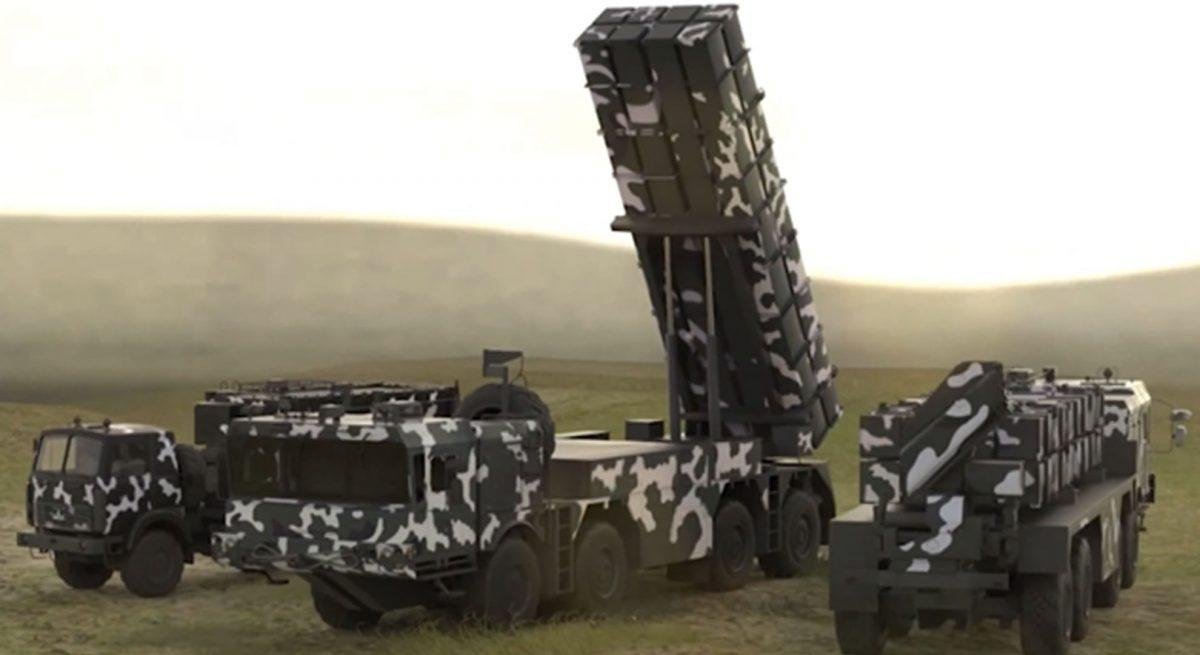
Therefore, a partnership with Türkiye in the development of the defence sector was a credible option for Azerbaijan to ensure rapid progress. By the late 2000s, thanks to cooperation with Türkiye, Azerbaijan’s MDI started to produce small arms meeting NATO standards, and, for example, in the 2010s it started some big projects on missiles with Roketsan company and on armored vehicles with Aselsan company. Both of these firms, incidentally, were subsequently involved in the production of the F-35. There are many examples of Azerbaijani-Turkish projects, and they were not all in the same direction – from Türkiye to Azerbaijan. For example, judging by the available photographs, Turkish missile manufacturers in the 2010s used Belarusian chassis, which they hardly had any other way than through their Azerbaijani partners.
Not surprisingly, cooperation in the military-technical area, as well as arms development (along with direct mutual military assistance) was one of the important points in the Shusha declaration on alliance relations, signed by the presidents of Azerbaijan and Türkiye on June 15, 2021.
To sum up, the racist prejudices of the supporters of Armenian ethnic nationalism and their supporters in Russia and in the West prevented them from seeing the obvious – a long-standing process of the purposeful and confident rise of Azerbaijan. The process was not spontaneous, but clearly structured and strategically thought out.
It reminds another half-forgotten story. In the early nineteenth century, Germany was called “the country of poets and philosophers”. Only a few decades later, the German (primarily Prussian) army crushed their neighbours who had mocked them for centuries (the claim that ‘Civilisation is France’ was invaded by hordes of German barbarians). But then the neighbours realised that Germans not only wrote poetry but also made top-quality weapons – and not just arms.
However, there is another lesson in this German history, which the Germans and the French were unable to learn for a long time, but Baku seems to have learned it for itself. Namely, having learned how to make and use weapons, it is important to return to peace at the earliest opportunity, despite all the temptations that arise from having something in hand with which to defeat an impertinent opponent. However, the French, too, eventually came to see the need to build a future together with the Germans, and there is no reason to think that the peoples of the South Caucasus cannot follow the same path.
Serhey Bohdan
Caliber.Az