Possible Adjustments in Baku-Paris Relations
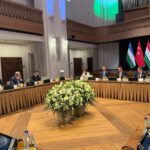
As previously reported, an international conference titled “France and the Armenian-Azerbaijani Conflict” was held in Baku at the initiative of the Center for Analysis of International Relations (AIR Center). The event featured prominent foreign experts and facilitated a lively exchange of opinions regarding France’s policies in the South Caucasus, with a particular focus on Azerbaijan and Armenia.
During the conference, experts reviewed the historical context of Azerbaijani-French relations, emphasizing that the deterioration of bilateral ties in a complex geopolitical environment sets a negative precedent. The discussion also addressed the reasons behind France’s biased stance toward Azerbaijan following the Second Karabakh War, despite the new realities established by Azerbaijan in the region. It was highlighted that France’s increasing hostility towards Azerbaijan is counterproductive and significantly harms intergovernmental relations.
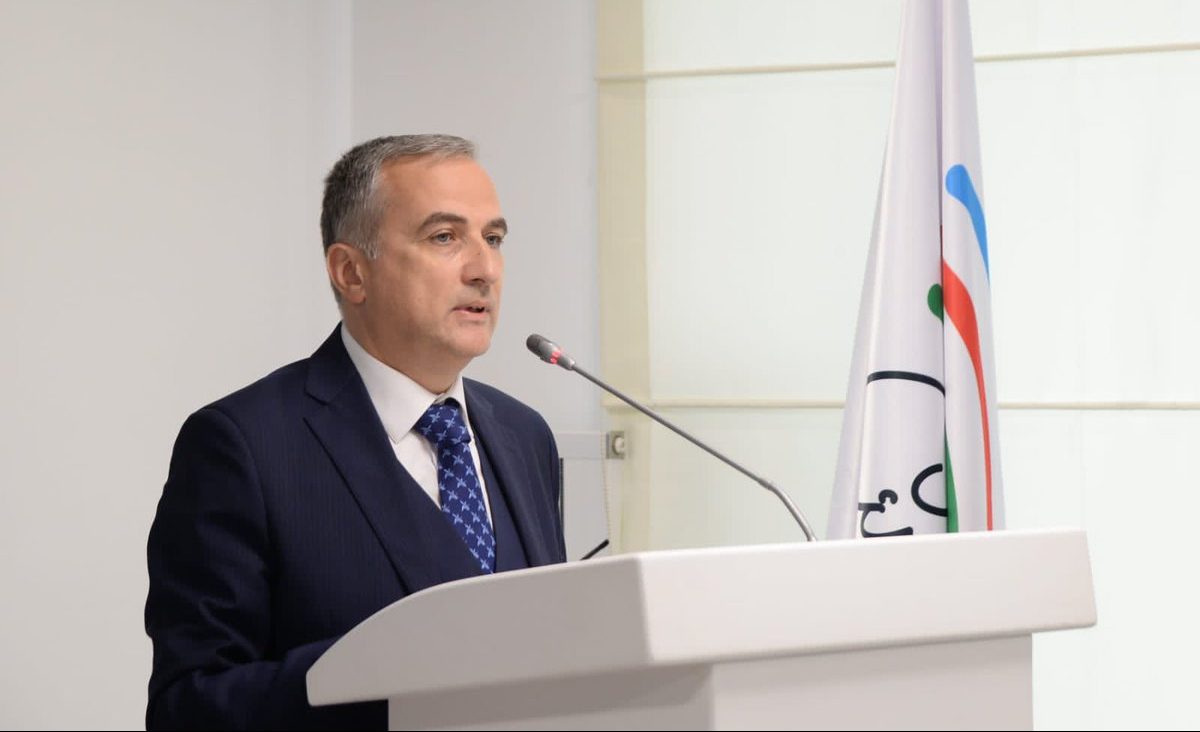
Farid Shafiyev, Chairman of the Board of CAIR, shared his perspective on the current state and future of Franco-Azerbaijani relations, as well as the dynamics of the Armenian-Azerbaijani negotiation process, in an interview with Bakinski Rabochiy newspaper.
– What role does France play in the Armenian-Azerbaijani conflict and the broader negotiation process between Baku and Yerevan?
Initially, Azerbaijan had good relations with France. It was among the first countries to recognize Azerbaijan’s independence, leading to political dialogue, economic cooperation, and cultural initiatives. High-level official visits, including presidential meetings, were common. Therefore, it is incorrect to claim that Franco-Azerbaijani relations have always been negative—there have been many positive developments in modern history.
However, it must be noted that Paris has consistently leaned toward Yerevan. In 1997, when France became a co-chair of the OSCE Minsk Group, it pledged neutrality. Until 2020, France largely avoided overt favoritism in the Armenian-Azerbaijani conflict. However, unofficial statements made it evident that France sympathized with Armenia, even while maintaining a façade of neutrality at the official level.
Relations between the two countries changed dramatically after Azerbaijan’s victory in the 2020 Second Karabakh War, with Paris openly siding with Yerevan. The French Parliament even passed a resolution recognizing the so-called “Nagorno-Karabakh Republic.” Additionally, France has made multiple attempts to push anti-Azerbaijani resolutions at the UN Security Council. While official recognition of “NKR” by Paris has not materialized, France has consistently sought to undermine Azerbaijan’s actions in 2020 and beyond through the UN framework.
Today, France plays a negative role in Azerbaijan’s relations with the European Union and on other international platforms. Paris is the driving force behind anti-Azerbaijani statements and resolutions.
– Some argue that Baku’s recent support for anti-colonial movements in French territories is a countermeasure against France’s anti-Azerbaijani actions. How accurate is this assessment?
Two factors influence this. First, as Chair of the Non-Aligned Movement (NAM), Azerbaijan had to address certain global issues affecting developing nations and the so-called “Third World.” Previously, Baku did not actively engage in these matters, but leading NAM required it to make various UN statements.
Second, Azerbaijan’s engagement with anti-colonialism was driven not only by its NAM presidency but also by France’s position on Azerbaijan. If Paris intervenes in our internal affairs, why should we not respond in kind? Moreover, from the standpoint of international law, neocolonialism and separatism are entirely different issues.
– Do you expect France’s anti-Azerbaijani stance to persist, or could it change with a shift in power?
As long as Emmanuel Macron remains in office—his term lasts until 2027—nothing will change. Diplomatic contacts between the two foreign ministries have taken place, with attempts at de-escalation, but no tangible results have been achieved. France has explicitly declared its support, including military assistance, for Armenia. Both left- and right-wing French political forces back Armenia, with their representatives frequently visiting Armenia and even the previously occupied Karabakh region.
A major shift in Franco-Azerbaijani relations post-2027 is unlikely, though some adjustments may occur. The global geopolitical landscape is evolving, and many countries have already reassessed their perspectives on the region.
– How would you describe Azerbaijan’s relationship with the EU in the context of the Armenian-Azerbaijani negotiations?
Recently, there have been contacts between Azerbaijan’s leadership and the new EU High Representative for Foreign Affairs. Overall, EU officials, including the special representative for the South Caucasus, have expressed support for the negotiation process. However, at the same time, the EU has extended its monitoring mission in Armenia, reinforcing its alignment with Yerevan.
Baku has received minimal EU support in demining or reconstruction efforts in liberated territories. For instance, annual EU financial aid for demining in Azerbaijan amounts to just a few million euros, whereas economic assistance to Armenia is significantly higher. Nevertheless, unlike France, the EU’s stance is not overtly hostile toward Baku.
– Out of 17 provisions of the Armenian-Azerbaijani peace treaty, 15 have been agreed upon. However, negotiations remain stalled. Why?
Discussions on one unresolved provision—mutual renunciation of legal claims—are progressing. However, there is no agreement on the second key issue: the withdrawal of third-party military forces. Additionally, there is ongoing debate over potential amendments to Armenia’s constitution. While this will not be included in the peace treaty, resolving it would facilitate negotiations by eliminating Armenia’s territorial claims against Azerbaijan.
Despite some positive signals from the Armenian side, I do not foresee the signing of a peace treaty in the near future.
– The American think tank Stratfor recently predicted an escalation along the Armenian-Azerbaijani border. How accurate is this assessment?
Since September 2023, Western media have periodically speculated that Azerbaijan plans to attack Armenia or conduct limited military operations. However, in reality, the two countries are de facto at peace.
That said, there are still Armenian factions advocating for revenge, with some former officials making militaristic statements. Recently, ex-President Robert Kocharyan and former Chief of General Staff Seyran Ohanyan have called for rebuilding Armenia’s military. Even figures like Garo Paylan, a former Armenian-origin MP in the Turkish Parliament, claim Armenia needs 3-5 years to strengthen its armed forces. This presents a real risk.
– With a potential new U.S. president, will Washington uphold the Armenia-U.S. Strategic Partnership Charter, signed last year, or revoke it?
Expecting a U.S. administration to revoke this agreement is unrealistic. Why would Trump, for instance, change anything regarding Armenia? He never made negative remarks about Yerevan. During his previous campaign, he even made gestures favoring Armenia. His administration included several pro-Armenian figures.
The Armenia-U.S. charter contains specific long-term projects, such as securing the Armenia-Iran border. This aspect is critical for U.S. interests and will likely be upheld, regardless of the administration in power.
– If Trump returns to office, will U.S. policy in the South Caucasus change?
Trump’s foreign policy priorities include ending the Ukraine-Russia war. However, expectations that he will swiftly resolve the conflict are exaggerated.
Regarding the South Caucasus, I anticipate a more constructive U.S. approach toward Azerbaijan under Trump, which aligns with Baku’s expectations. However, this does not mean the region will become a top priority in U.S. foreign policy.
Translated from br.az