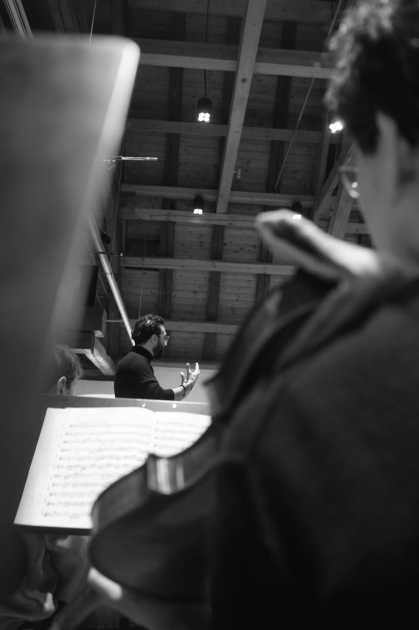
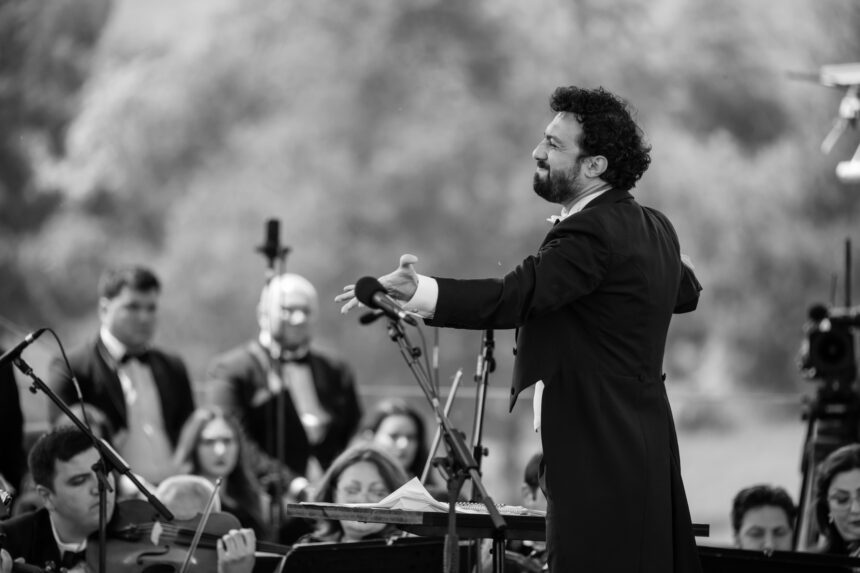
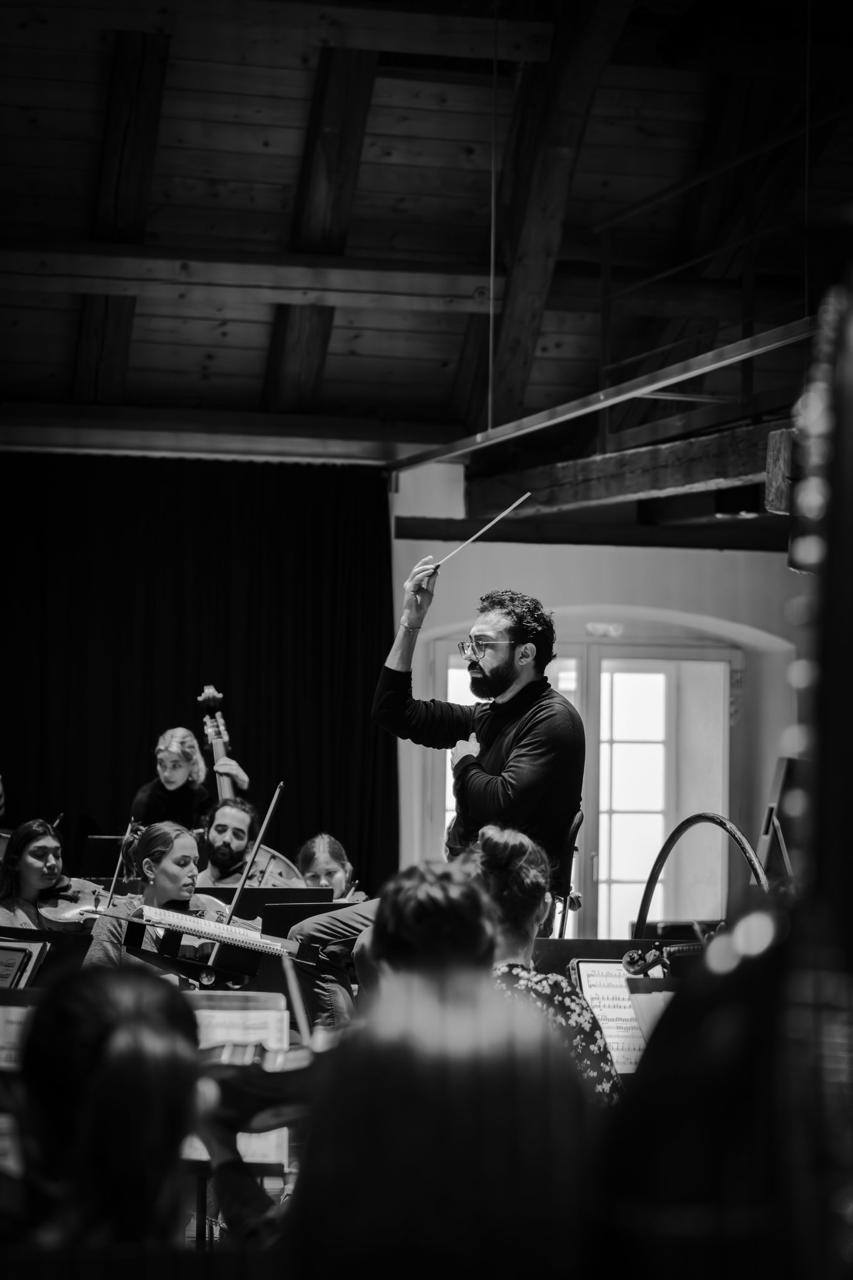
Before stepping onto the stage, he always flips through the entire score from beginning to end, then prays and mentally wishes all the musicians good luck, strength, and inspiration.
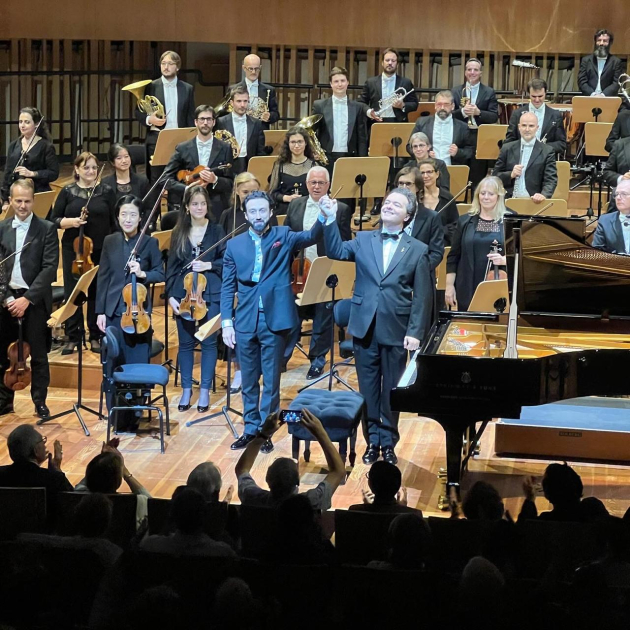
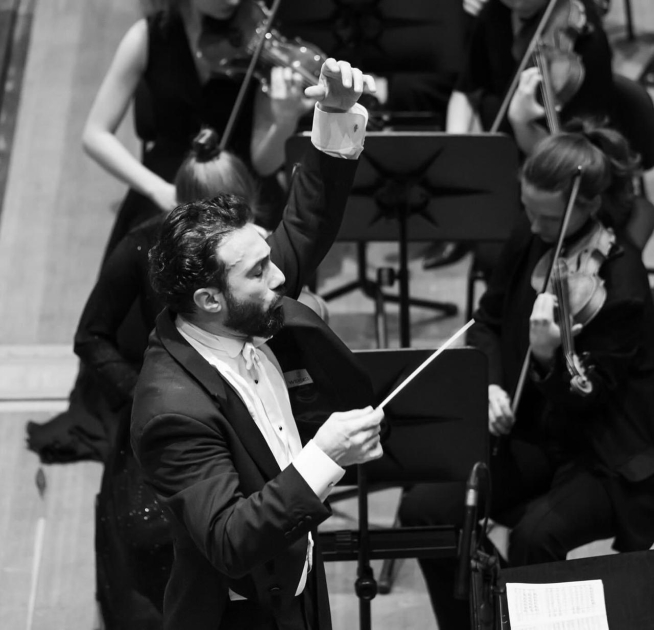
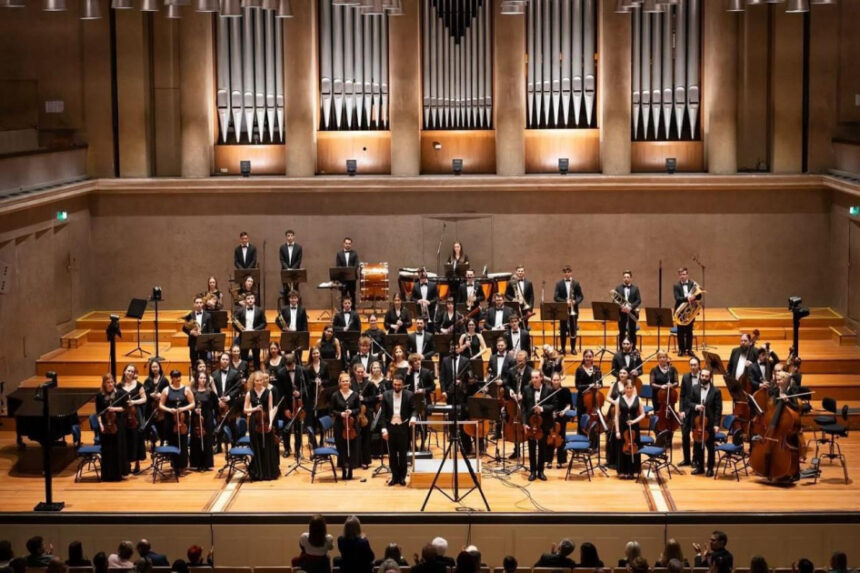
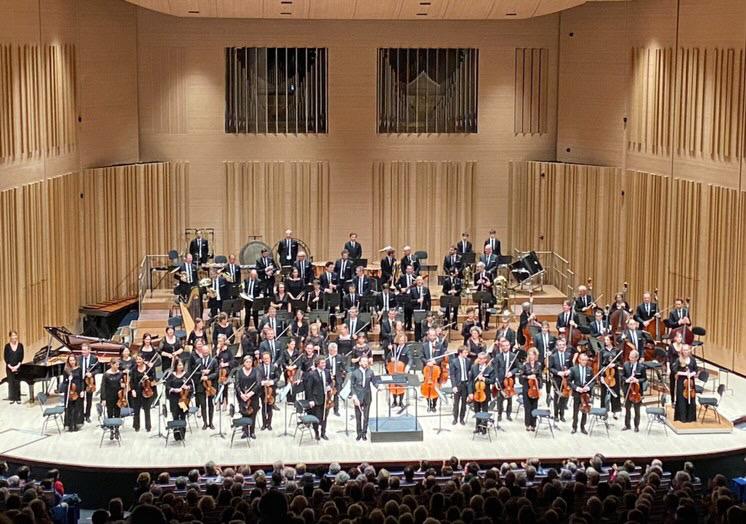
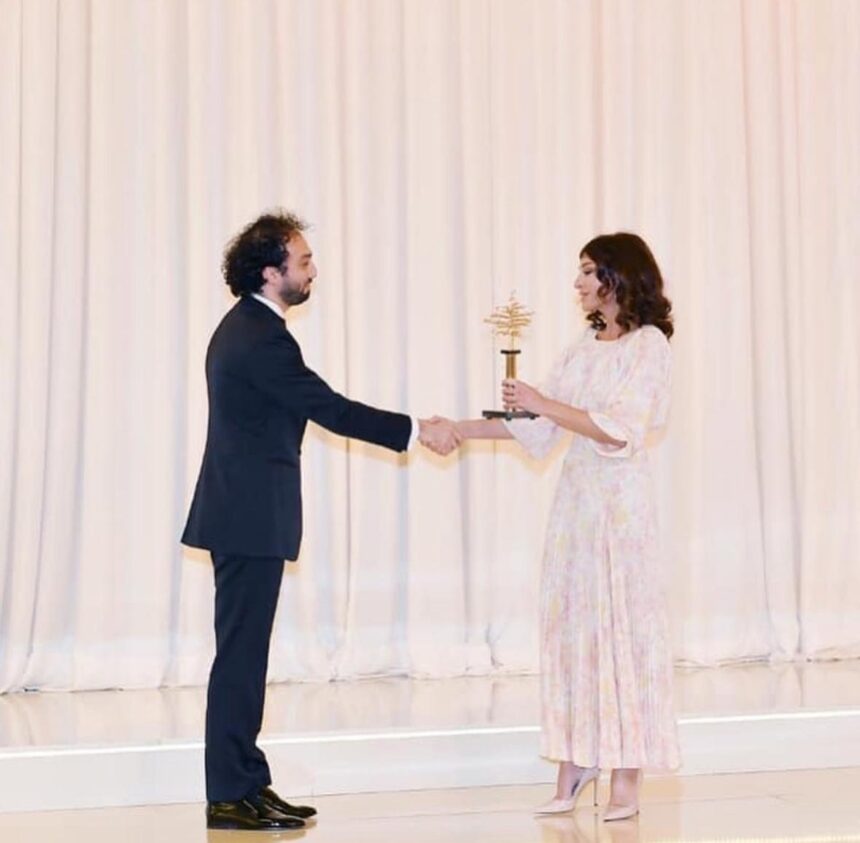
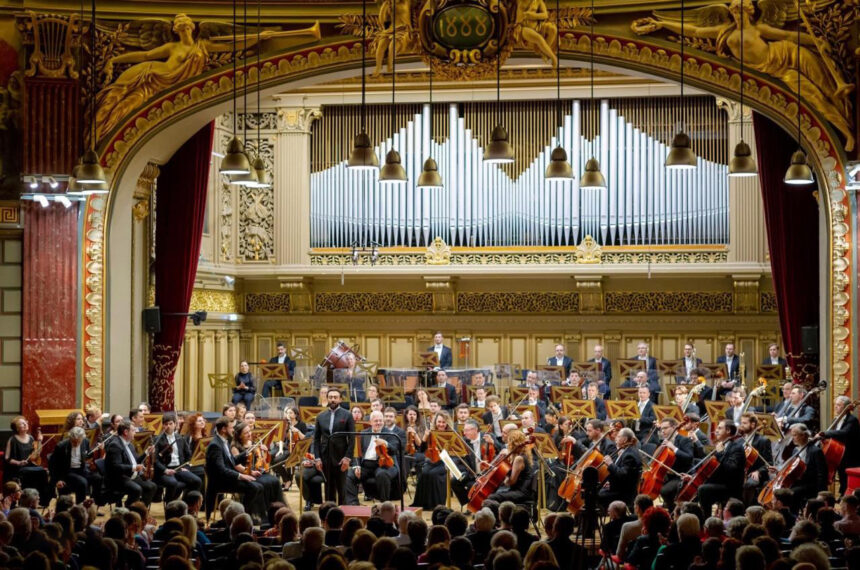
Our interviewee is Fuad Ibrahimov, Honored Artist of Azerbaijan, Artistic Director and Principal Conductor of the Uzeyir Hajibeyli Azerbaijan State Symphony Orchestra, Musical Director and Principal Conductor of the Baku Chamber Orchestra, and Principal Conductor of the Neue Philharmonie München (New Philharmonic Munich).
Fuad, what is a conductor’s worst nightmare?
I once had such a nightmare… I dreamt that during a very unsuccessful rehearsal, the orchestra was making noise because the right energy was missing. This made the orchestra truly restless. So, everyone was making noise, and I couldn’t do anything about it. That was a terrifying dream.
Alright, let’s talk not about dreams but about reality. You come from a musical family, yet you pursued music on your own initiative. How did that happen?
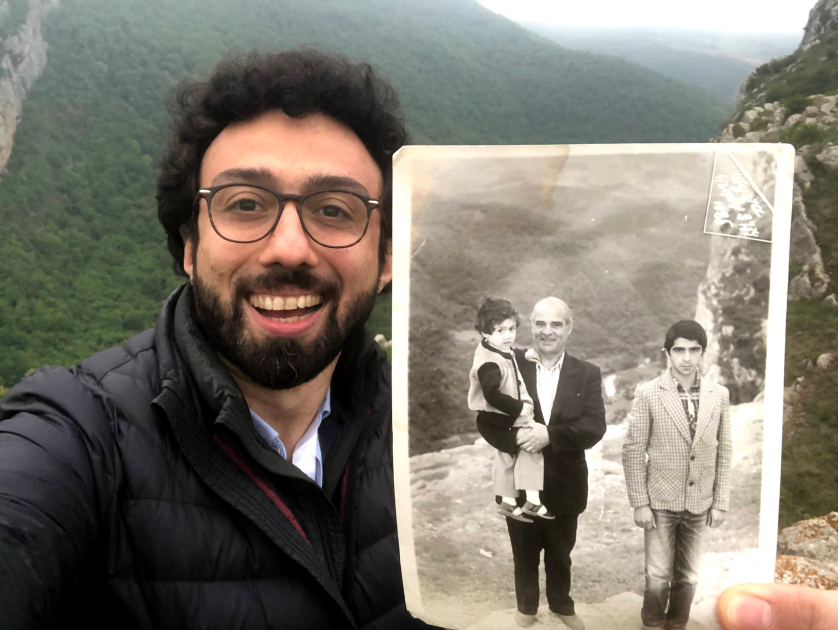
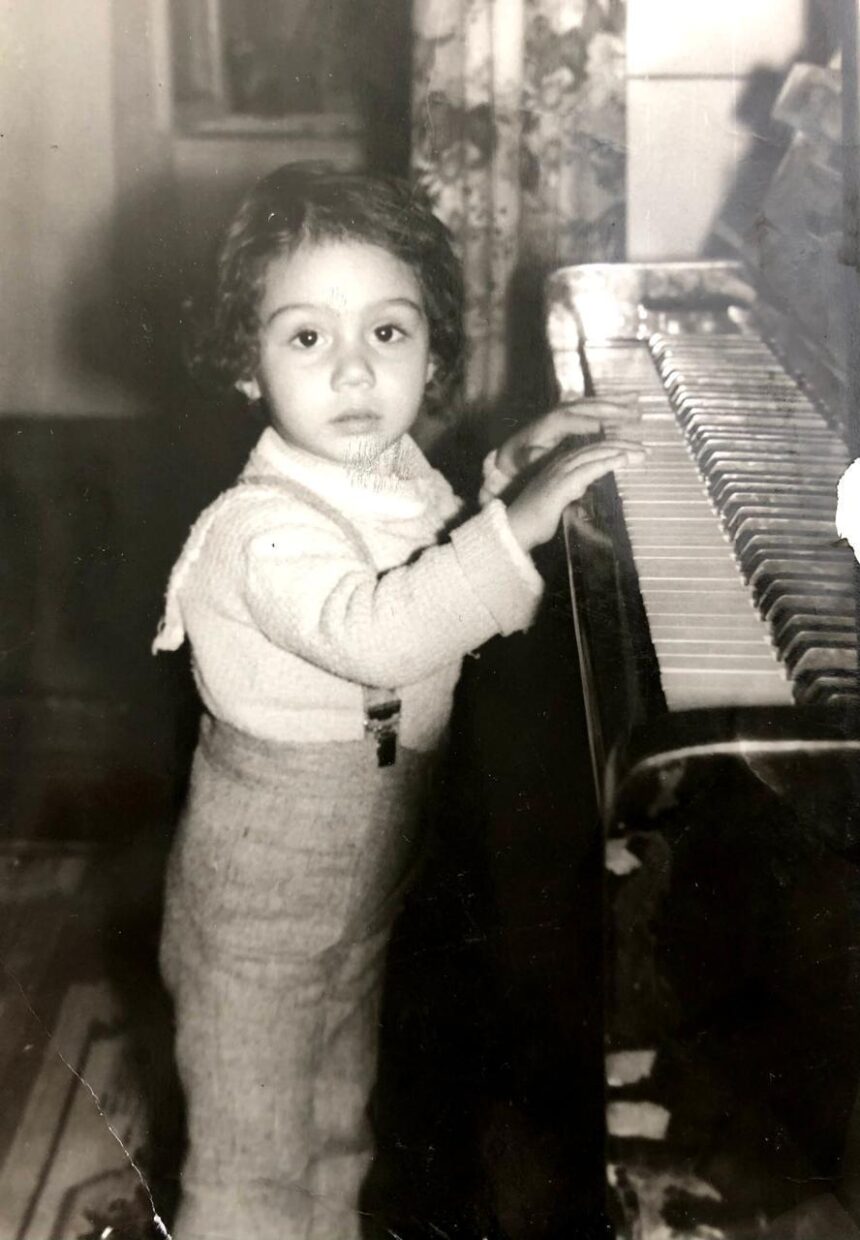
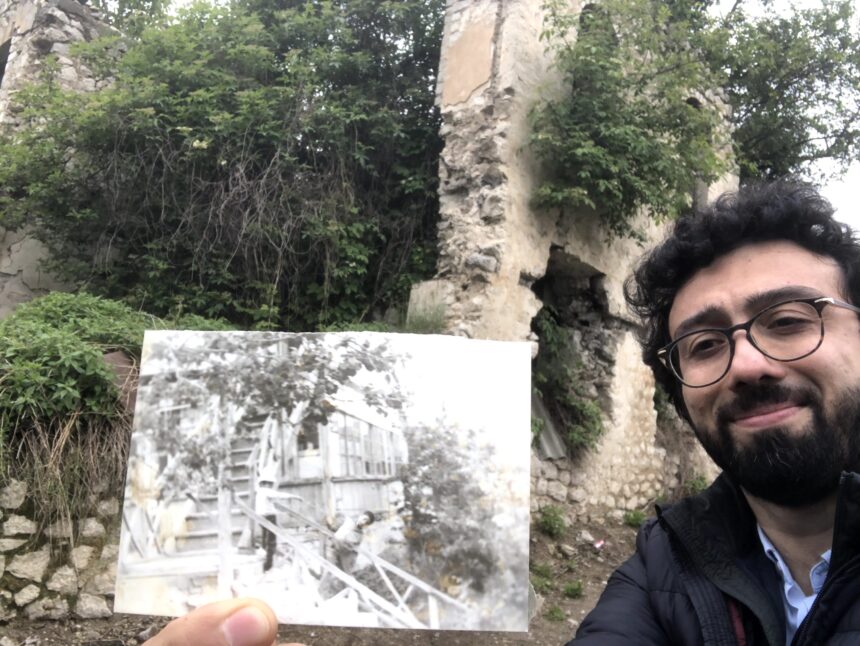
Because of the war, unfortunately (Fuad Ibrahimov was born in Shusha – editor’s note). The adults had no time for it, as you can imagine. It was difficult. In such circumstances, no one even thought about sending me to study music. But as it happened, in the school I initially attended in Shusha, teachers from Baku arrived and introduced us to different musical instruments. I became interested in the violin. There were no violinists in my family, and I had never seen this instrument in Shusha before.
Do you remember the moment when you felt drawn to this instrument?
I thought it was a beautiful toy. I imagined assembling and disassembling it. I raised my hand and said that I wanted to play the violin. I came home and told my family that I wanted to learn to play the violin. They were surprised. Not that they were against it—they just didn’t expect it. And after some time, I was given a violin as a gift by Suleyman Alasgarov, a prominent Azerbaijani composer, conductor, teacher, and musical public figure. That’s how I started my musical journey. But this happiness didn’t last long because the situation became unstable. We were evacuated from Shusha. Unfortunately, my violin was left behind in Shusha… And somehow, I drifted away from music. But only physically. The desire remained—very strong.
And after many relocations, when we finally settled in Baku, my mother noticed that I was trying to make music everywhere—on tables, on frying pans, on anything possible. At that point, I must acknowledge the great role of Tofiq Aslanov, whom I love and respect to this day. He was my mentor, my teacher. When he first heard me trying to play something on a musical instrument, he told my mother that I absolutely had to study music and that he would personally oversee it. That’s how, at the age of 12, I finally began my musical education.
And at the age of 15, you were already accepted into the State Symphony Orchestra as a violist. That sounds like a fantastic story…
It really is an incredible story. I never gave it much thought before, but in recent years, I’ve started reflecting on it. How was it possible? I started studying music at 12, and by 15, I was already playing in the orchestra! Here, I must acknowledge the person who believed in me—Tarlan Seyidov, the director of the conservatory-affiliated school-studio. Other schools didn’t accept me. But he admitted me into the 7th grade at the age of 12. I had to prepare a specific program, and for a year, under the recommendation of the previously mentioned Tofiq Aslanov, I was taught by Lala Hasanova. Unfortunately, she left Baku… Maybe one day she will read this interview and hear my gratitude because, without her dedication and support, I probably wouldn’t have been able to prepare so quickly.
I also want to mention that after being admitted to the school-studio, my teachers Lala Huseynova and Rashid Seyidzade worked extensively with me and contributed greatly to my progress.
What helped you achieve such incredible results in such a short time?
I believe it was destined. It was predetermined by the Almighty who I was meant to become. Naturally, hard work was essential. But doors always opened for me, and to this day, my life is full of such miracles. I received tremendous support. For example, in 2002, I was able to study in Germany thanks to the support of the Heydar Aliyev Foundation. And without that education in Germany, I wouldn’t be who I am today.
By the way, Mstislav Rostropovich also played a significant role in this. After listening to me, he inspired everyone to support me, which made a huge difference in my journey.
By the way, you continued your studies in Germany as a violist. But later, you switched to the conducting faculty. Why did you make that decision?
Because I fell in love with this profession while still a violist in the State Symphony Orchestra, watching our maestro, Professor Rauf Abdullayev—a great conductor, People’s Artist of Azerbaijan, and one of the most outstanding figures in our country’s modern musical culture. I used to watch him like this. (Shows the gesture.) I sat in the front. A year after I started working there, he moved me to the first stand. And I watched him from below, looking up, and fell in love with this profession. I was almost right under his hands.
All of this made a huge impression on me—especially his character, his approach to music. And I began to understand what this profession demands. This desire grew within me, but for a long time, I couldn’t make the decision because I knew it was incredibly difficult and carried great responsibility. So this went on for a while, but in 2006, I finally decided.
What helped you make the decision?
I graduated from my studies in Cologne as a violist. And I remember standing there after my final exam, thinking—what will I do next? Yes, I could join an orchestra as a violist, but did I really want that? And I realized I didn’t, even though I loved the orchestra. I wanted to conduct.
By that time, I had been dreaming about it for ten years. And I decided I had to give it a try, even though I didn’t believe I would succeed. But my future conducting teacher made it very clear to me that this was what I needed to pursue.
You also had another dream, unrelated to music—you wanted to become a pilot. Where did that come from?
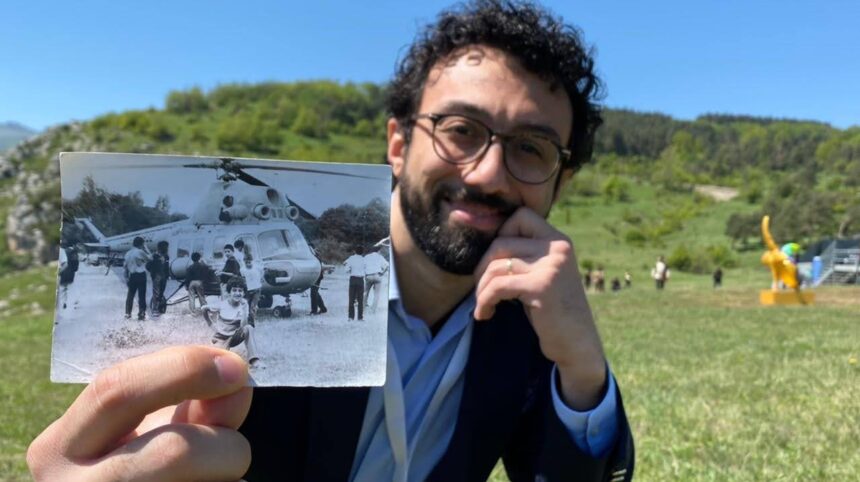
I think it’s connected to Shusha. Even in peaceful times, helicopters frequently flew overhead. And I was fascinated by them. Every time we had the chance, my friends and I would run to watch them.
Later, as I got older, I became captivated not just by the flight itself but by the entire preparation process leading up to it.
That’s actually quite similar to conducting, isn’t it?
Absolutely right. But there’s a key difference. In conducting, emotions are at the forefront. Knowledge, of course, is also essential! But emotions are more important. In aviation, however, emotions cannot come first. You need to think rationally and make the right decisions quickly.
Additionally, piloting involves multitasking, which I really enjoy.
Let’s go back to your profession. In 2014, you became the conductor of the very same State Symphony Orchestra where you once worked as a young musician. What was it like to return there as a conductor?
It was a gradual transition. As early as 2007, I received an invitation from the maestro (Rauf Abdullayev – editor’s note) and the director of the Philharmonic, Murad Adigozalzade, to come to Baku and conduct a concert with the State Symphony Orchestra. At that time, it was very difficult for me—I was nervous and couldn’t imagine standing in front of these musicians, whom I had worked with before, and telling them what to do and how to do it. I just couldn’t wrap my head around it.
But on the other hand, I knew that everyone goes through this, and I hoped that things would work out. And in the end, they did. Although, when I think back to those rehearsals now, I feel a little uneasy. (Laughs.) I realize that I was young, emotional, and rehearsed in a very expressive way—telling stories as part of my conducting. But no one ever hinted that this was a bad thing.
And for that time, for that version of Fuad, the concert went well. From then on, I started coming back at least once a year. So by the time I officially joined in 2014 as the orchestra’s second conductor alongside Maestro Rauf Abdullayev, I was already prepared. Everything came together naturally.
What did you feel when you participated in the “Kharibulbul” festival in Shusha?
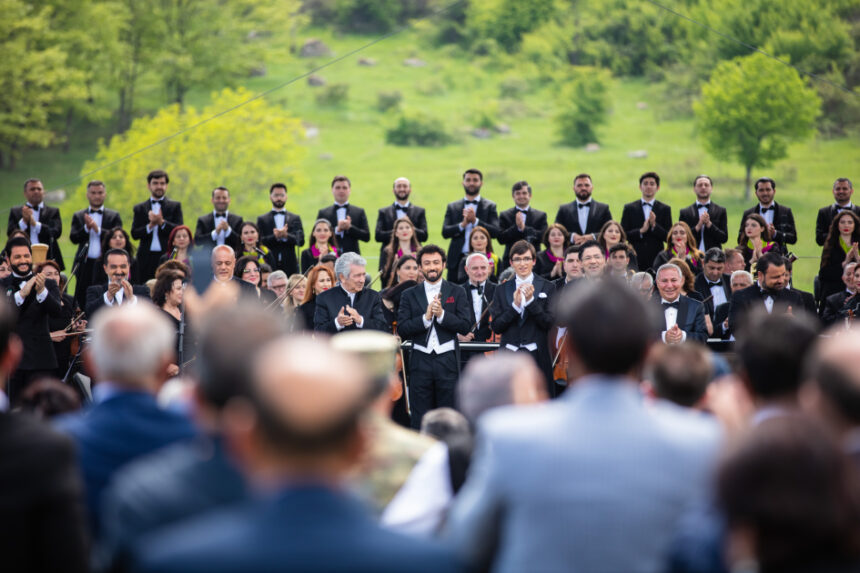
By that time, I had performed so many concerts! It was 2021. I had concerts all over the world, on every continent. But I was so nervous! It wasn’t fear—it was this strange, indescribable feeling, a mix of happiness and anticipation. I was nervous like a child. Everything inside me was tangled together. Even now, as I talk about it, I feel that same excitement.
I didn’t want it to end. Among the audience were our President and his wife, famous personalities, the symphony orchestra, the choral ensemble, and we were standing on Jydyr Duzu. I stood there, waiting for my turn to step on stage, and I just wanted to hold onto that moment forever.
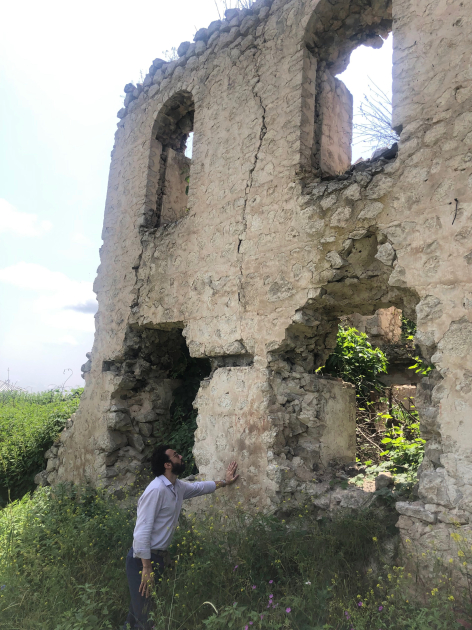
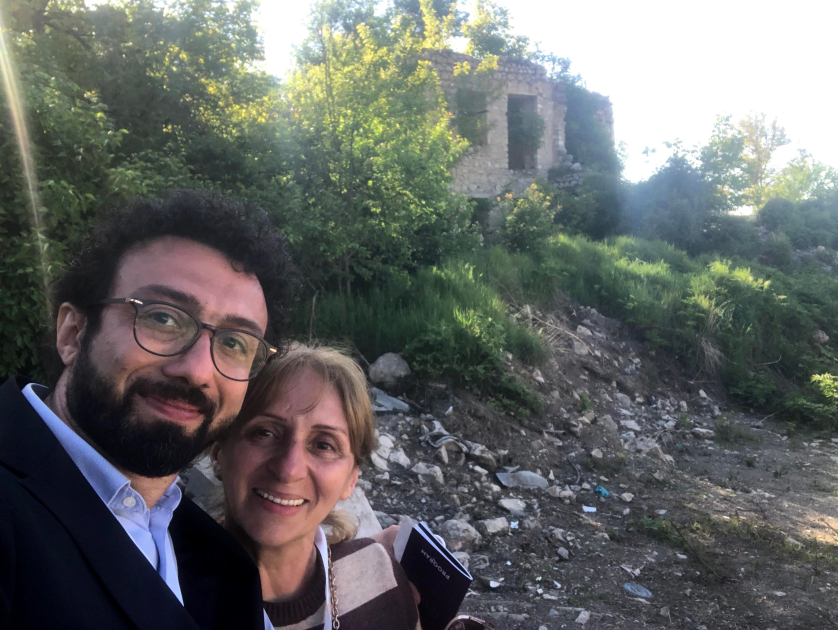
It was the same feeling I had when we first returned to Shusha after so many years—after being separated from this land for so long. I wanted to fully grasp the reality of it before stepping off the bus. And before stepping on stage, I was overflowing with happiness because I had dreamed of this moment. I had so many vivid dreams about Shusha—some that made me wake up happy, others that made me cry because they were just dreams. So being there, I knew something truly magical was happening.
Do a conductor’s emotions transfer to the musicians? Did they at that moment?
Absolutely. But in that particular moment, everyone was already filled with emotions! People looked at me and said, “Fuad, you’re smiling so much! We’ve never seen you smile like this. You look so happy!” And that energy spread to everyone. Of course, the mood and emotions of a conductor influence the orchestra.
What is an orchestra to you?
An orchestra is the soul of music. The key is to build the right relationships within it, so it leads to the right outcome. And the right outcome isn’t just playing the notes written on the sheet—it’s when the music touches hearts and stirs emotions.
And what is a conductor to an orchestra?
A conductor, I hope, is someone who inspires musicians to perform the music in a way that truly feels it and conveys the composer’s message.
Fuad, do you remember how we started our conversation? I asked you about a conductor’s worst nightmare. Now, what is a conductor’s happiest reality?
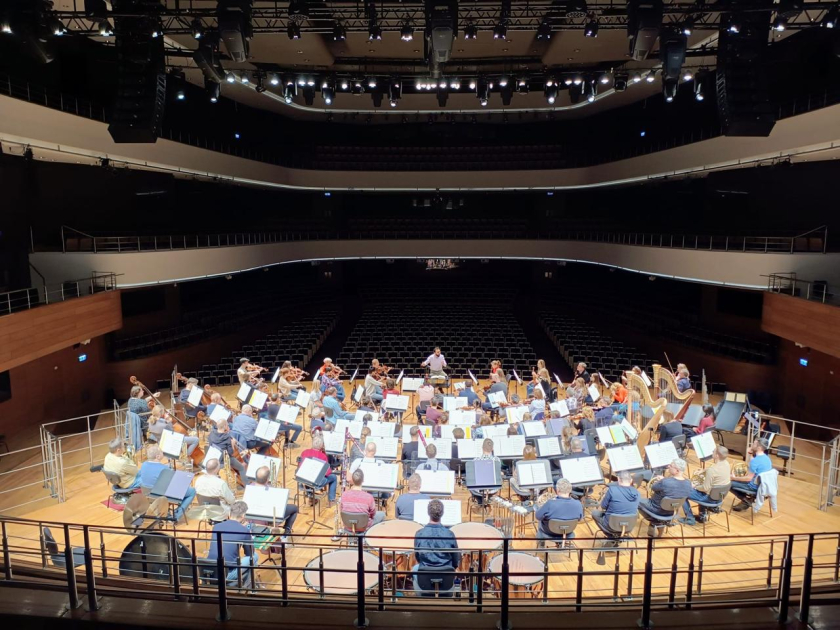
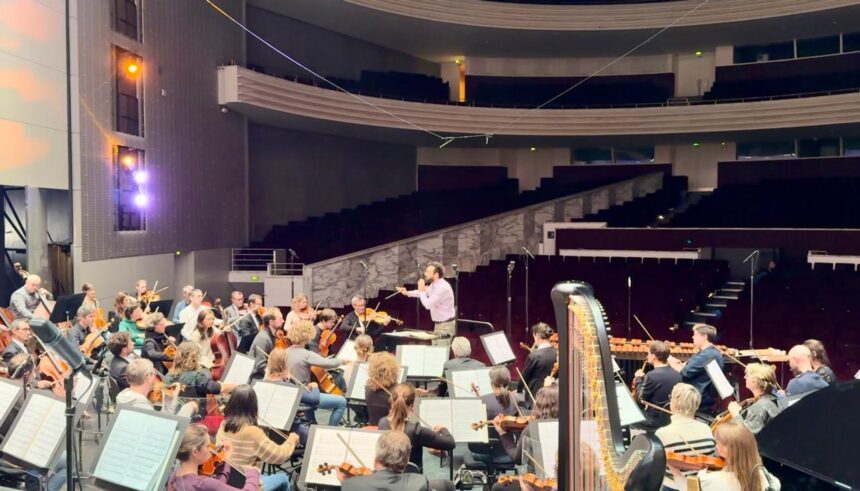
It’s when, as a conductor, I feel that the musicians truly enjoyed the rehearsal—that they received energy from it, felt the music, and once again realized how beautiful this profession is. For me, nothing is better than that.
Some might think that a successful concert is the best thing, but for me, it’s not. Rehearsals matter more. The best thing for me is when musicians take something valuable away from every rehearsal.
Given your story, if you could go back in time and see that young Fuad, full of doubts, fear, and difficulties—what would you say to him?
Believe in miracles! And everything will be fine. The world is full of wonders. Keep doing what you’re doing. Be hardworking and honest! Because if you do things right, with sincerity, it’s impossible for them not to work out.
If someone had told me back then how my life would turn out, I would have laughed. I couldn’t have imagined it at the time.
And in a way, I’m talking to myself now… But this is the advice I would give to all young musicians, too.
Translated from AzerTAC