In recent days, developments around Ukraine have taken on an increasingly dramatic character. Against the backdrop of a stalled negotiation process, the situation on the front line is becoming less and less encouraging for Kyiv: systemic problems with mobilization and replenishing manpower are compounded by chronic shortages of weapons, economic difficulties, and corruption scandals at the highest levels of government. Under these conditions, prospects for success on the battlefield look increasingly uncertain, while the risk of strategic exhaustion continues to grow.
Against this background, Donald Trump’s proposed peace plan is beginning to appear to many as the least bad of the available options. The proposal envisions ending the war not by returning to pre-war borders, but by locking in the current balance of power: recognition of Russia’s de facto control over certain territories and Ukraine’s renunciation of NATO membership, accompanied by international security guarantees, financial assistance, and U.S. participation in reconstruction. In other words, it suggests a kind of “conditional sovereignty,” in which statehood is preserved but its autonomy is substantially restricted.
Unsurprisingly, this approach is met with harsh criticism in Kyiv and European capitals, as it effectively converts Moscow’s military gains into political recognition. Yet supporters of the plan stress that it reflects the real circumstances of a prolonged war: Russia retains the initiative, the resources of Ukraine and its partners are shrinking, and continued conflict threatens far more serious losses — from economic collapse to declining international support. Therefore, compromise today may prove more advantageous than negotiations tomorrow, when Ukraine’s position could be even weaker.
In the eyes of its proponents, this is a pragmatic exit from strategic stagnation: a fixed peace on difficult but still manageable terms, instead of a prolonged war with the risk of state collapse. Such an approach offers a chance to shift from conflict to reconstruction, mobilize Western investment, and preserve the basic foundations of Ukrainian statehood.
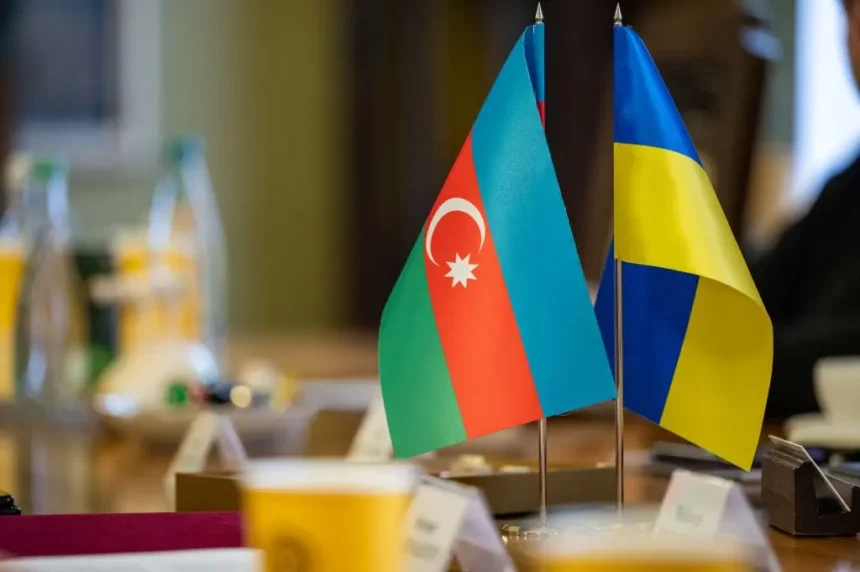
This invites a parallel with Azerbaijan’s experience, which illustrates how critical security and leadership are for a nation’s fate. For thirty years of occupation, Azerbaijan consistently conveyed its just position to the international community, yet many external actors preferred to ignore Armenia’s violations of international law in the occupied Azerbaijani territories. At times, Azerbaijan faced an even more critical situation than Ukraine — especially considering that enormous pressure was exerted on the small country by all major powers involved in the conflict, seeking a settlement effectively in Armenia’s favor. While formally recognizing Azerbaijan’s right to restore its territorial integrity, the OSCE Minsk Group co-chairs ensured that these principles remained on paper, taking every possible step in practice to prevent Baku from using force to reclaim its own lands.
Nevertheless, amid mistrust and external pressure, and using a narrow window of opportunity, President Ilham Aliyev built a long-term strategy based on pragmatic but principled actions that gradually strengthened the country and secured recognition of its legitimate rights. The paradox was that Azerbaijan did not reject negotiations as such. On the contrary, it actively conducted them — with Armenia, which had occupied part of Azerbaijani territory, and with the Minsk Group and its member states — while simultaneously reinforcing its international position and role within global organizations.
By agreeing to an unfavorable ceasefire in 1994, the then national leader Heydar Aliyev — and later President Ilham Aliyev — clearly understood that the “game” was not over and that difficult decisions lay ahead, driven by Azerbaijan’s own potential and by a balance of forces and interests that would need to be shifted in its favor. At the time, it was the only correct decision: had Azerbaijan continued the war with Armenia in 1994, the country could have faced even more catastrophic consequences.
What investor would pour billions into promising oil contracts when the future was clouded by an ongoing war? The conflict had to be halted urgently, the economy strengthened, and the country’s defense capabilities expanded in order to resolve the issue by all available means. Even then, there were those who insisted that the ceasefire would be eternal and that Baku would never dare challenge the powerful forces backing Yerevan.
Years passed — years of persistent and meticulous work — and Azerbaijan disproved all these assumptions on the battlefield, demonstrating that nothing is impossible when sound calculation and skillful policy take precedence.
As a result, relying solely on its own resources, Azerbaijan won a just war, restored its territorial integrity and sovereignty, and forced the international community to acknowledge the new reality. This outcome reflected the immense potential of a country led by a strong and confident leader who placed national interests above external pressure.
Perhaps one of the fundamental reasons for today’s Ukrainian tragedy is the absence of strategic vision in light of unfolding realities. The responsibility of political leadership for a country’s fate is determined not only by lofty rhetoric, but at times by difficult and unpopular decisions — decisions that society can accept only when they are voiced by a leader it trusts, and when it knows that the “game” is not yet finished.
Ilgar Velizade