The “Republic of Artsakh,” what Armenia sought to be a breakaway state in the South Caucasus, was “built” based on multifaceted destruction.
Spirit of Liberation
In 2020, Azerbaijan liberated its rightful territories from Armenia’s illegal occupation and restored its territorial integrity.
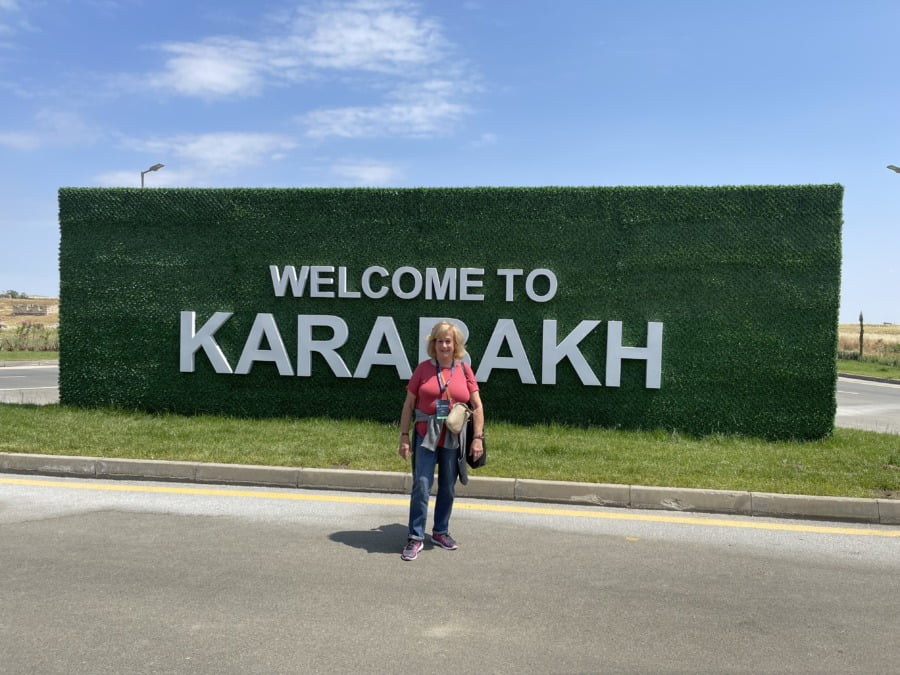
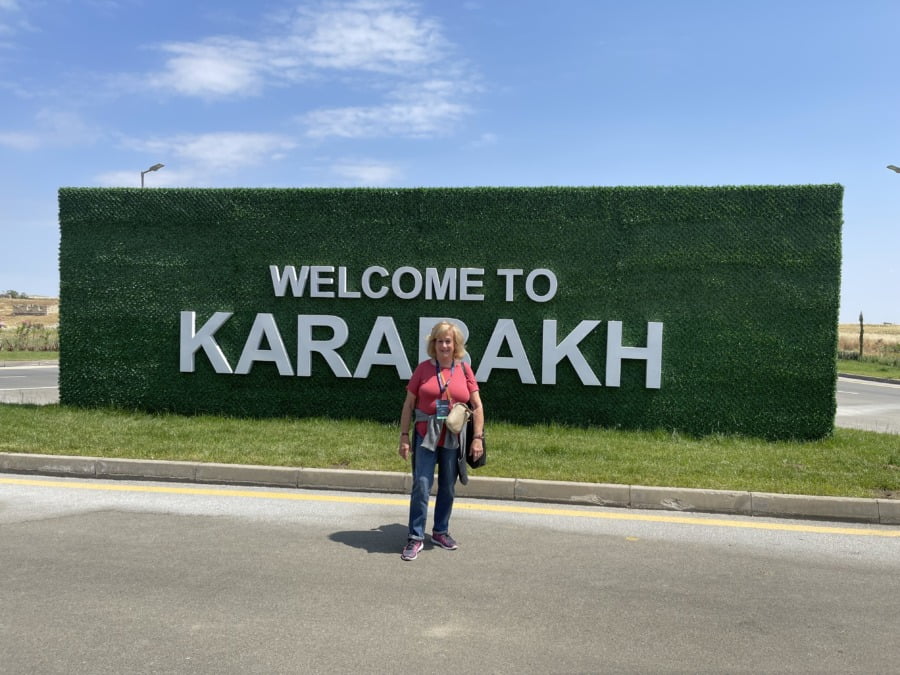
In my last visit to Azerbaijan, I visited the liberated city of Shusha, where I was given the opportunity to speak with Emin Huseynov, the Special Representative of the President of the Republic of Azerbaijan in the Liberated Territories, within the Karabakh Economic Region, and the Aid to the 1st Vice President, a long title that carries much responsibility.
The following is based on my conversation with Mr. Huseynov.
The City of Shusha
Shusha is situated at an altitude of 1,400-1,800 meters (4,600-5,900 ft) in the Karabakh region of Azerbaijan. During Azerbaijan’s Soviet era the city was a mountain resort.
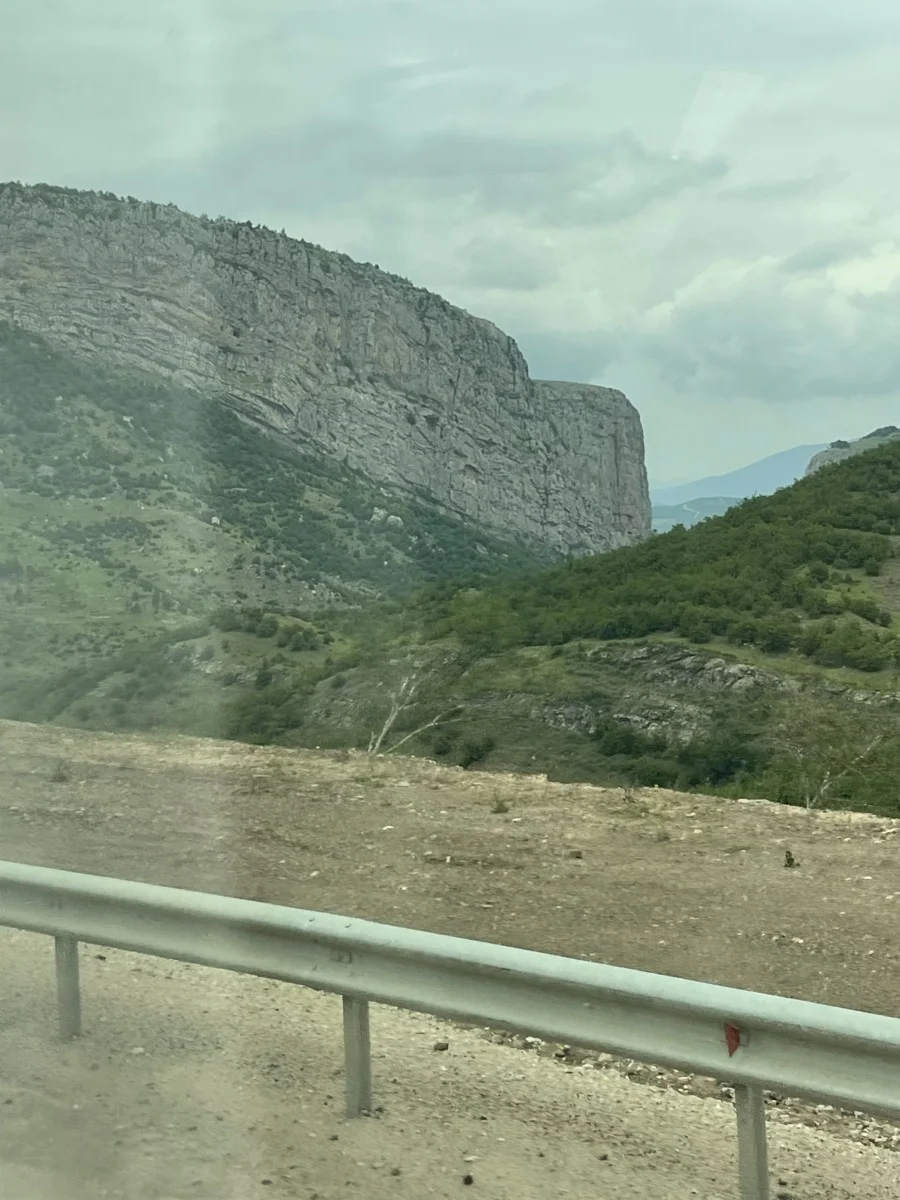
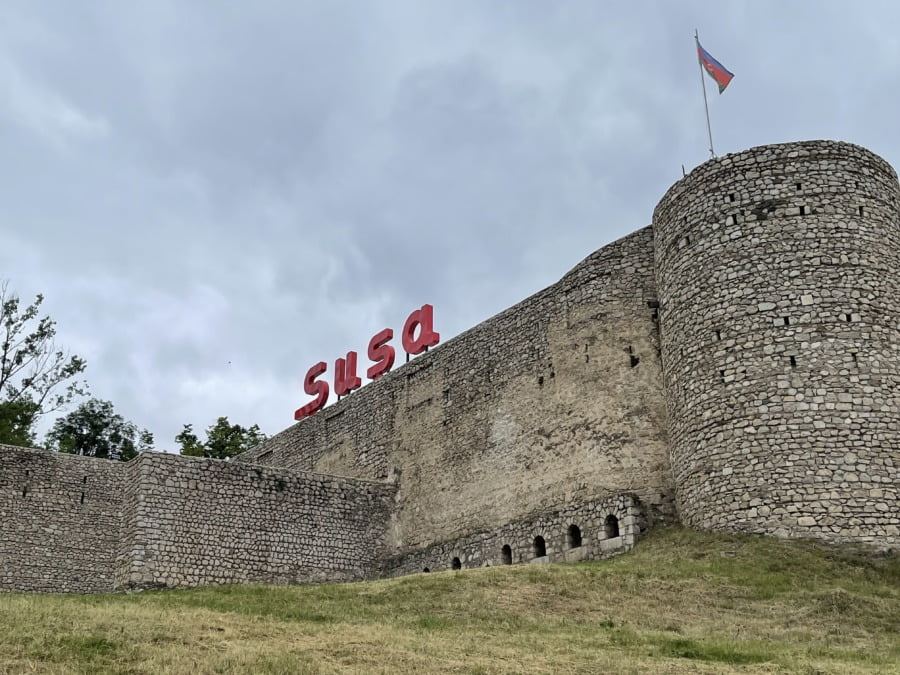
Shusha, a hilltop city, was established in 1752 by Panah Ali Khan, the Azerbaijani founder of the Karabakh Khanate, coinciding with the foundation of the fortress of Shusha, much of it remained intact.
In 1805, Shusha was invaded by the Russian Empire, which began to settle ethnic Armenians from Persia and the Ottoman Empire in the city, expanding to the wider Karabakh region.
Shusha became one of the cultural centers of the South Caucasus. Over the course of the 19th century, the town grew to become a city, and was home to many Azerbaijani and some Armenian intellectuals, poets, writers and musicians. Shusha is often considered to be the cradle of Azerbaijan’s music and poetry, and one of the leading centers of the Azerbaijani culture.
The city is particularly renowned for the traditional Azerbaijani genre of vocal and instrumental arts called Mugham. Considered a “conservatoire of the Caucasus,” Shusha was home to Khurshidbanu Natavan, Azerbaijan’s most famous woman poet, composer Uzeyir Hajibeyov, opera singer Bulbul and one of Azerbaijan’s first twentieth-century novelists, Yusif Vezir Chemenzeminli. Molla Panah Vagif, the prominent Azerbaijani poet and vizier of the Karabakh khanate, lived and died in Shusha.
On May 8, 1992, during the First Karabakh War, the city was invaded by Armenian forces and its majority Azerbaijani population either was expelled or fled.
The Armenians looted and burnt the city, desecrating and destroying mosques, shrines and other cultural heritage sites. Armenians dismantled and sold off historic dark bronze busts of three Azerbaijani musicians and poets from Shusha, and the gravestones in the Azerbaijani cemetery, on the edge of town, were methodically smashed and vandalized by Armenians.
After the end of the war, in 1994, Shusha’s population was completely Armenian.
The Ongoing Lip Service
For thirty long years, despite four resolutions by the United Nations Security Council that condemned Armenia’s occupation of Azerbaijani territories and demanded the withdrawal of Armenian troops, and despite the activities by the OSCE Minsk Group co-chairs (US, France and Russia) to mediate an acceptable peace treaty, that amounted to ‘diplomatic ‘tourism‘ as Mr. Huseynov addresses it, all bore just lip service.
The international community did not help either. No sanctions were imposed on Armenia to end the brutal and unlawful occupation. All the while the plight of almost one million forcibly displaced Azerbaijanis continued as they yearned to return to their ancestral homelands from where they were expelled.
Nikol Pashinyan, the prime minister of Armenia, visited Karabakh on August 5, 2019. During his hour-long speech there Pashinyan called for the reunification of Armenia with Karabakh. Using the Armenian name for Karabakh, he said: “Artsakh is Armenia, and that’s it..” This forceful appeal indicated that Pashinyan was taking a harder line on Karabakh even as he pretended to have made efforts to revive the negotiations with Azerbaijan over settling the conflict.
This abrasive declaration made it clear that there was no reason for Azerbaijan to continue being the nice guy and seek a solution to Armenia’s illegal occupation of its land by reasonable negotiations.
In response to Pashinyan’s belligerent declaration in Shusha, at the Valdai Forum in Sochi, Ilham Aliyev, the President of the Republic of Azerbaijan, declared: “Karabakh is Azerbaijan and an exclamation mark.”
The psychological attrition of the occupation made Azerbaijan more determined. It grew its economy, developed the country’s infrastructure, and strengthened its military.
After Armenia attacked Azerbaijan on September 27, 2020, Azerbaijan responded, and 44-days of fighting ensued. During that time, Azerbaijan liberated much of the territory which Armenia occupied.
After 30 years of uncertainty, at the right moment, Azerbaijan took its future in its own hands, no longer relying on vapid attempts by the international community to make Armenia withdraw from the territory it had been illegally occupying for three decades.
The Day After the War Ended
Following Azerbaijan’s military liberation of Shusha, the second-largest city in Karabakh, on November 8, 2020, Armenia was compelled to capitulate and agreed to a ceasefire. Subsequently, the war ended on November 10, 2020, with Azerbaijan’s decisive victory.
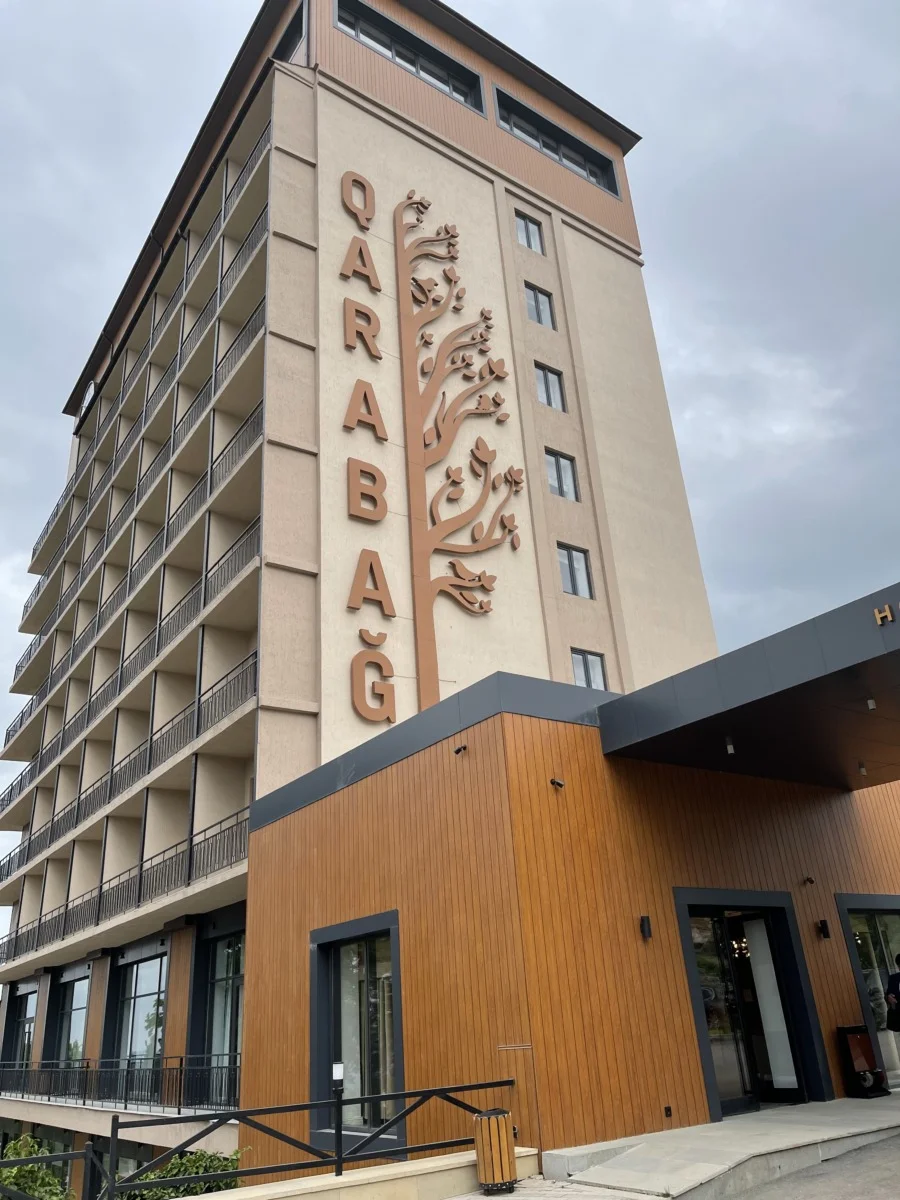
The message Azerbaijan delivered to the world after the 44-days fighting ended was: the conflict is over; the land Armenia occupied is back into its rightful master’s hands.
Six months before the five year-ceasefire agreement expires, Azerbaijan can refuse to prolong it and thus demand for the Russian peacekeepers to leave the area, where some 25,000 ethnic Armenians live, and where they were deployed in November 2020. These Armenians will have a choice to remain and receive full rights under Azerbaijan’s laws, as equal citizens of Azerbaijan, while finding the way to cordially coexist with the Azerbaijani population, or leave the area.
Azerbaijan’s President declared that if Armenia does not agree to an acceptable border demarcation and refuses to recognize Azerbaijan’s territorial integrity, then, in return, Azerbaijan will be entitled not to recognize Armenian’s territorial integrity and borders.
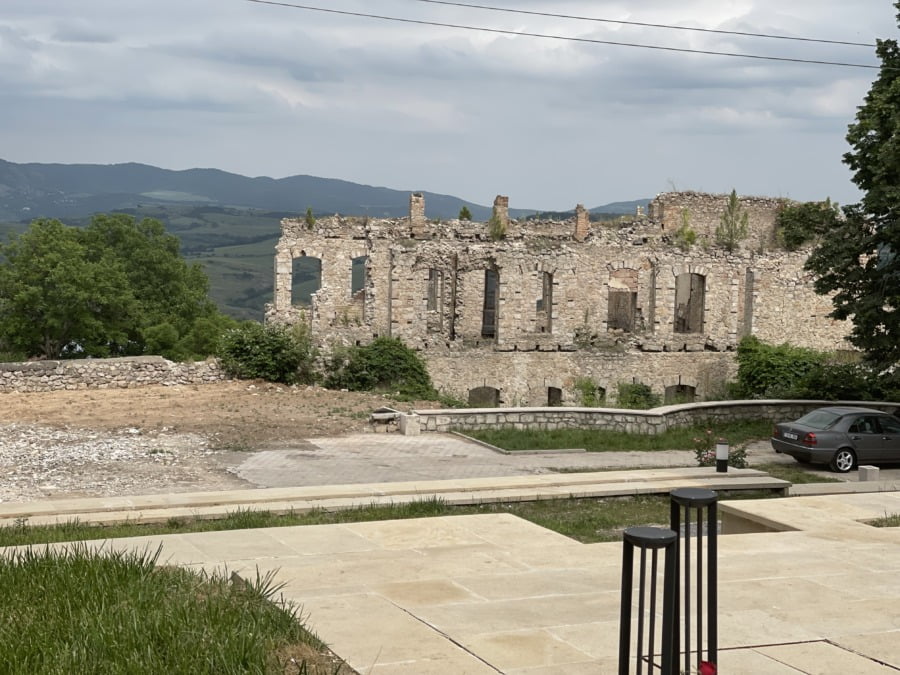
Armenia claims to be a responsible member of the international community. However, in the three decades of its occupation of Azerbaijan’s land it did not build one structure nor plant one tree in the territory. All Armenia managed to do was destroy; seven Azerbaijani cities and 900 villages were levelled to the ground during Armenia’s occupation. In almost 10,000 square km of territory, 4-5 times the area size of Los Angeles, every single house was demolished, brick by brick, by Armenians and sold, as construction materials, to Armenia and Iran.
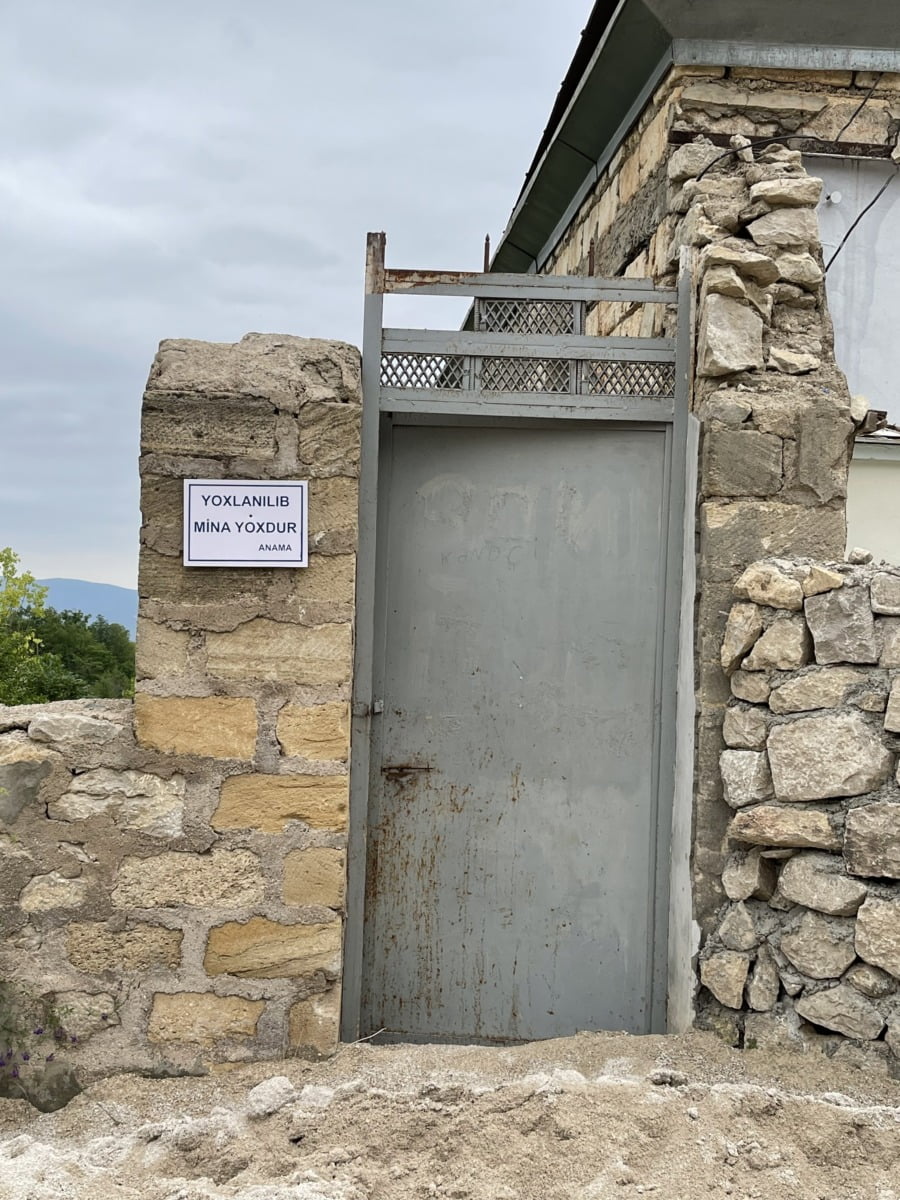
Even the city of Shusha, which Armenians call Shushi, in an attempt to present it as “an ancient Armenian city,” was subjected to brutal desecration and obliteration. I witnessed this unbelievable destruction with my own very eyes.
How can Armenia claim to have rights to a land it had irresponsibly abused? What was the point of occupying and holding land it simply has no respect for?
Seeking Regional Prosperity
Azerbaijan’s goal is to achieve regional coexistence with shared economic prosperity for the benefit of the entire region and beyond. While Azerbaijan is committed to this message and it was made clear to Armenia, no positive reply has been received as of now.
In the meantime, Azerbaijan immediately got to work to rebuild the liberated territories.
Two regional economic zones were established: Eastern Zangezur and Karabakh, together they compromise the entire liberated area.
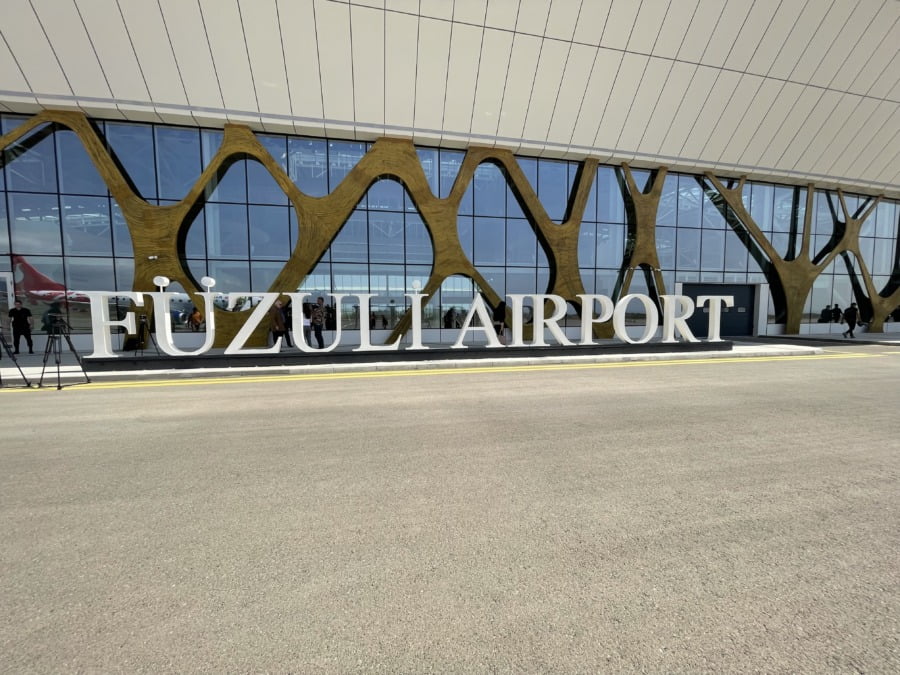
Almost instantly Azerbaijan invested billions of dollars in restoring the liberated land, building roads, tunnels, power plants, industry parks and farms; completing the impressive Fuzuli International Airport, within just 8 months, with two more airports under construction; restoring cultural heritage sites and building the first smart village, in Zangilan, to where, soon, the formerly displaced Azerbaijanis will return.
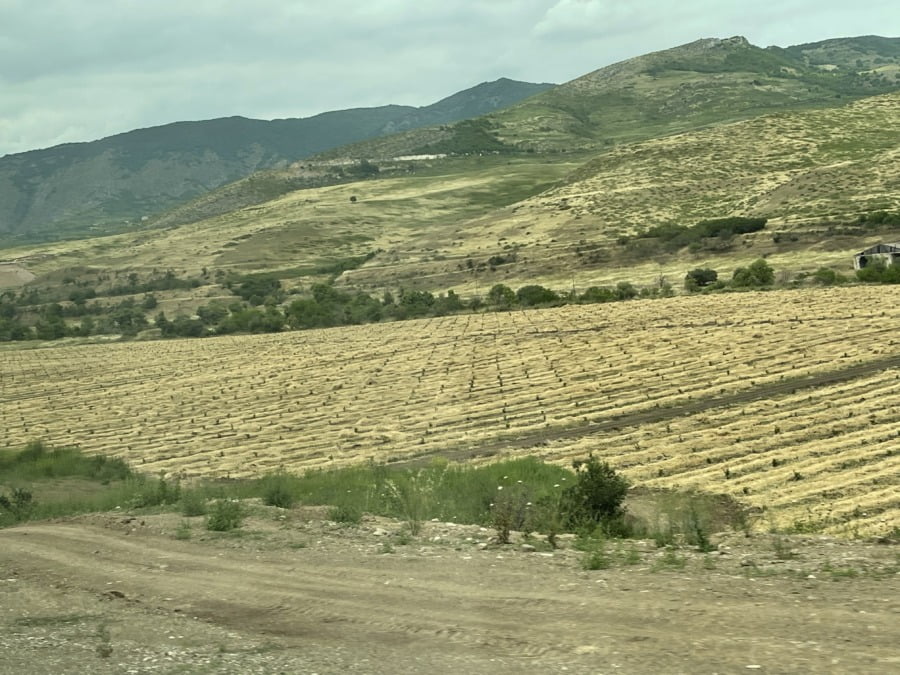
We are living in the 21st century of unprecedented communication and technology. Coexistence is the only way forward. Azerbaijan offers Armenia collaboration and peaceful coexistence with dignified face-saving. It is all up to Armenia to choose to be part of the region, enjoy good neighborly relations and thrive, or continue to live in total self-isolation, with a plummeting economy and rising poverty.
One thing is for sure: the love the Azerbaijani nation has for the liberated areas, the entire region and beyond will make it bloom and shine like never before.