Azerbaijan’s state oil company SOCAR, together with Turkey’s Cengiz Holding, is forming a consortium to negotiate the purchase of Lukoil’s oil refinery in Burgas, Bulgaria. According to information obtained by haqqin.az from two independent sources, the chances of success for this alliance are considered relatively high, given the partners’ strong lobbying resources in both Bulgaria and Turkey. Nevertheless, the final decision rests with Lukoil’s leadership, which has been under political pressure in Bulgaria since 2022 due to the war in Ukraine.
Other major players have also expressed interest in the asset, including Kazakhstan’s national oil company KazMunayGas, which is prepared to invest around $1 billion, the international trader Vitol, Turkey’s pension fund Oyak, and Hungary’s MOL. However, in Sofia the SOCAR–Cengiz consortium is viewed as the frontrunner, particularly as SOCAR has been among the contenders for more than a year and a half, and its partnership with one of Turkey’s leading construction and energy holdings has strengthened its position.
The acceleration of the sales process is linked to the risk of new U.S. sanctions that could affect not only Lukoil’s management but also the company itself. Moscow had hoped for a resolution of the conflict in 2025 and delayed the transaction, but the threat of American restrictions has pushed the company to speed up negotiations.
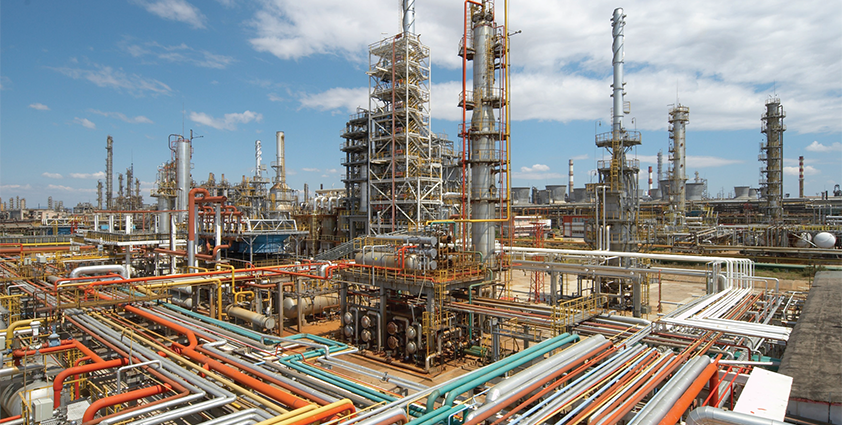
The Burgas refinery is Lukoil’s largest refining asset in Bulgaria, with an annual turnover of 8.6 billion leva (about 9 billion manats in 2023) and a leading position in the country’s wholesale and retail fuel trade, worth 6.3 billion leva. The struggle to acquire the facility is therefore of strategic significance. At the same time, certain obstacles remain, including recent instability in Moscow–Baku relations, as well as the need to account for Lukoil’s global portfolio, which includes assets in the Middle East, Africa, Asia, and Russia itself.
For SOCAR, the deal could also reopen the Baku–Supsa pipeline, which has been idle since spring 2022. Cengiz Holding, which owns 35 companies and reports an annual turnover of about $5 billion, positions itself as a key partner of SOCAR. In Bulgaria, it is known for implementing major infrastructure projects and has political connections both in Turkey and within Bulgarian business circles, including figures linked to the country’s Turkish minority.
Supply logistics play an equally important role: due to sanctions, Lukoil has been unable to use Russian crude at the Burgas refinery for over a year, whereas Azerbaijan and Turkey can provide stable feedstock. For Bulgaria, the deal represents a step toward reducing dependence on Russian capital; for SOCAR and Cengiz, it means strengthening their energy presence in Europe; and for Lukoil, it offers a chance to minimize sanction risks and convert a problematic asset into liquid resources.