Aghdam continues to revive, welcome new residents, and gradually clear the landmines left behind after decades of conflict. This time, the international outlet RFI followed the progress of large-scale works in the city. The report focuses on the realities of post-war reconstruction, the work of deminers, and the human dimension of people returning to the region.
The report places particular emphasis on the demining process, which remains a key security factor and the main prerequisite for the full return of the population. According to information shared by those involved in the operations, hundreds of thousands of square meters have been cleared and thousands of explosive devices discovered. The work is carried out in difficult weather conditions and involves constant risk — with casualties and serious injuries reported among demining personnel.
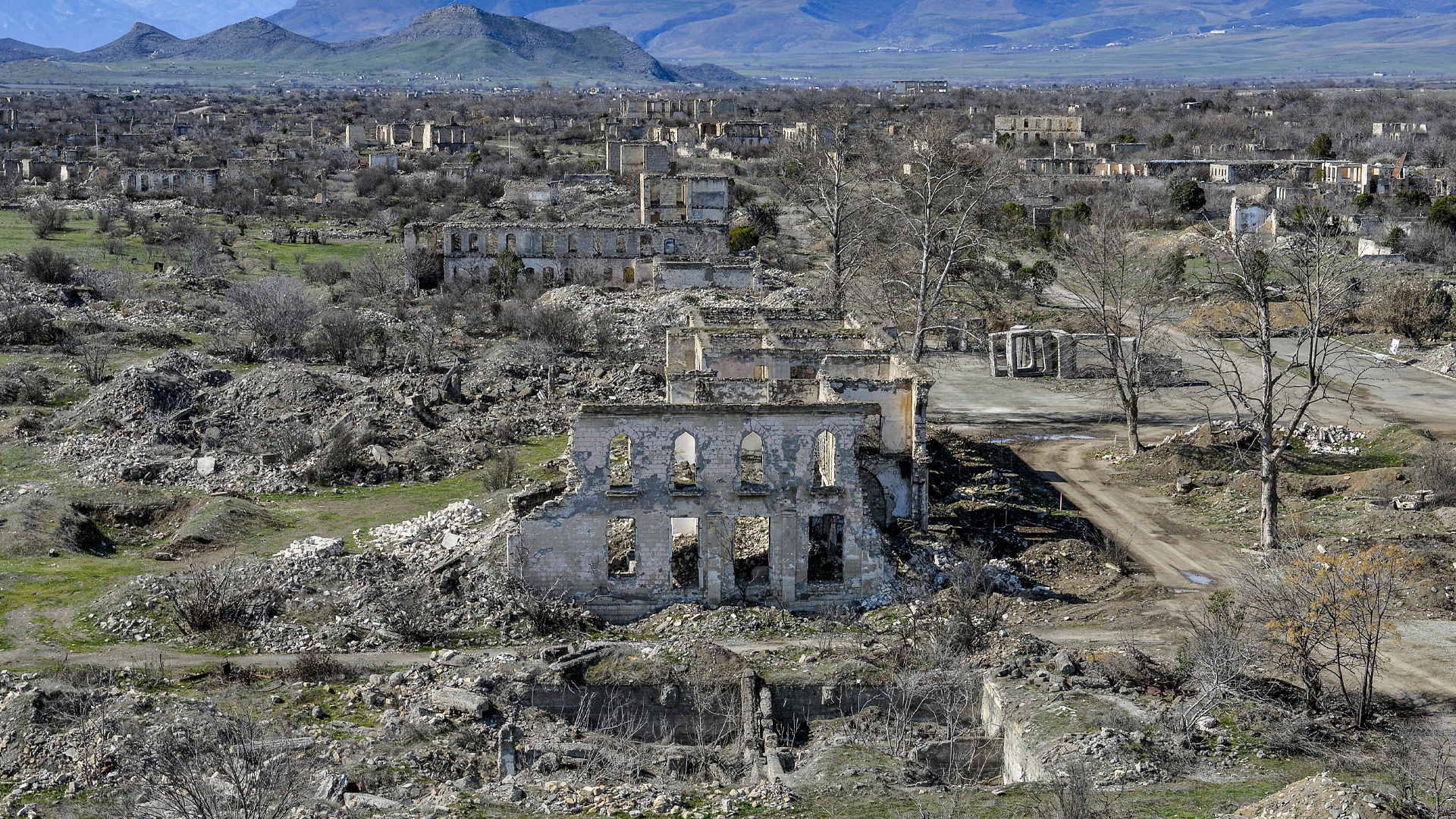
Today’s appearance of Aghdam reflects the scale of destruction from past years. Once an important cultural center and home to tens of thousands of residents, the city is effectively being rebuilt from scratch. Among the few restored landmarks is the historic Juma Mosque, which has become a symbol of returning life and a focal point for people forced to leave the city in the early 1990s.
RFI notes that the return of residents is happening gradually. Around a thousand people have already been relocated to newly built state housing complexes, as most of the old urban infrastructure remains uninhabitable. At the same time, infrastructure projects are underway and a new urban environment is taking shape, designed for the region’s long-term development.
The report also touches on the broader political context that emerged after the events of 2023. While Azerbaijani families are slowly returning, many former Armenian residents of the region have left, a reality that continues to fuel international debate. At the same time, assessments are voiced about possible diplomatic rapprochement and economic normalization that could influence the future of the South Caucasus.
Local residents whose stories are featured in the report speak about hopes for peaceful coexistence and the restoration of economic activity. According to them, long-term stability will depend not only on the pace of reconstruction but also on continued dialogue between the countries of the region.