For some, this sounded like a call for common sense and diplomacy. For others, it was seen as a near betrayal of national interests. The wave of sharp criticism that engulfed both Iran’s parliament and media landscape demonstrated that relations with Azerbaijan are no longer merely a foreign policy issue — they have become a marker of a deep internal rift: between past and future, between a strategy of confrontation and Pezeshkian’s push to build a new architecture of regional peace.
The first to respond loudly was Tehran MP Hamid Rasaei, who accused the president of undermining national unity — not without hinting at Pezeshkian’s ethnic origin. But the harshest accusations were aimed at Azerbaijan. However, a closer look at the facts reveals a very different picture.
“We have always paid the price for supporting Azerbaijan,” Rasaei claimed. But when exactly? What lies behind this sudden outrage? Why has Azerbaijan suddenly become the focal point of Iran’s internal political struggle for the country’s future?
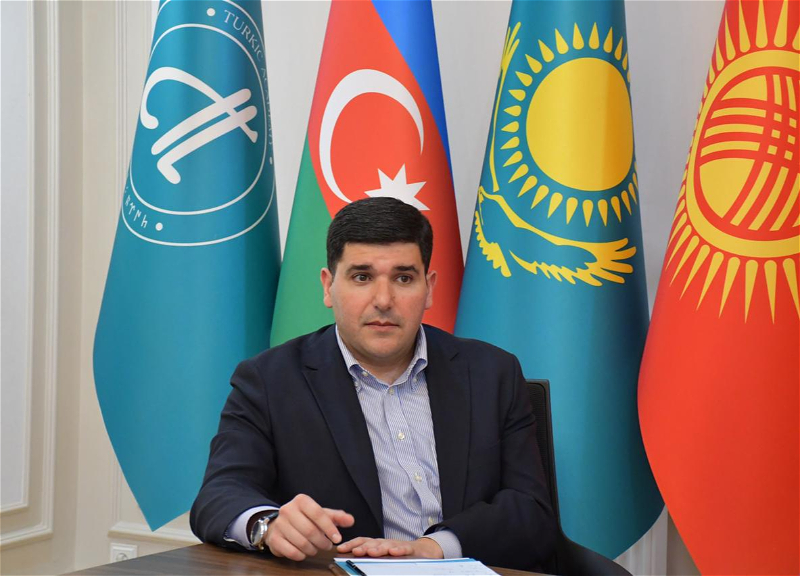
In a commentary for Minval Politika, political analyst Farhad Mammadov stressed that Pezeshkian’s speech came amid a profound systemic shift in Iran’s entire foreign policy strategy.
“Following the collapse of the Bashar al-Assad regime, the defeat of Hezbollah, and the transformation of Shiite militias in Iraq, the entire infrastructure and ideological system of the so-called ‘Axis of Resistance,’ which Iran had been building for over 15 years, is falling apart,” Mammadov explained.
According to the analyst, Tehran invested tens of billions of dollars — in military, financial, and diplomatic resources — into building this axis. However, recent developments, including direct strikes on Iranian territory during the war with Israel, have triggered a significant internal crisis.
“Iran’s airspace is no longer safe, and attacks on military targets within the country have become a reality. Against this backdrop, discussions have begun in Iranian society, particularly within political circles, about the country’s future and the need to revise its foreign strategy,” he noted.
Mammadov points out that two opposing paths are emerging in Iran. The first, constructive line is being advanced by Pezeshkian. Its core idea is normalizing relations with neighboring countries, abandoning costly expansionism, and redirecting resources to improve Iranians’ quality of life.
“Pezeshkian is ethnically Azerbaijani, and this has become a vulnerable point exploited by his opponents. Yet his policy remains consistent: he has already made visits to Azerbaijan and Pakistan, plans a visit to Armenia, and seeks stronger ties with Turkey. This is a strategy of diplomacy and peaceful coexistence,” Mammadov said.
He further emphasizes that Pezeshkian aims to reallocate limited resources toward domestic needs rather than foreign adventures.
The second path, according to Mammadov, is the conservative-radical one — the same that built the “Axis of Resistance” and sought regional hegemony. This camp is now facing a serious crisis, as its achievements collapse before its eyes.
“For over 15 years, this group controlled vast budgets, all in service of Iran’s regional domination. But now, their model is crumbling under the blows of Israel, the US, and their allies. They are fighting for survival — and using the Azerbaijan issue as a tool to attack Pezeshkian,” the expert believes.
According to him, Pezeshkian’s ethnicity, his visits to Baku, and his call for dialogue are being portrayed by radicals as weakness, “betrayal,” or a threat to national security — although in reality, it’s an internal power struggle over who controls the country’s resources and direction.
Farhad Mammadov concludes: the tension around Azerbaijan is not the cause of Iran’s elite conflict, but rather a symbol of a deeper transformation. The debate is not about one country, but about the future of Iran — whether it will continue trying to dominate the region through force or begin building constructive relationships with neighbors and addressing its own internal issues.
“This is not just a battle over foreign policy. It’s a debate about the country’s future. And every statement by the president, every visit, and even his ethnicity becomes a battleground in this struggle,” the political analyst summarized.