The potential rewards—enhanced energy security, reduced greenhouse-gas emissions, and strengthened regional cooperation—make the Black Sea Energy submarine cable an initiative worth pursuing.
Azerbaijan is strategically pivoting towards sustainability before the United Nations Climate Change Conference (COP29) that it is hosting in November 2024.
The Black Sea Energy submarine cable is a model of regional cooperation, bringing together countries with shared interests in advancing renewable energy and reducing carbon emissions.
Energy security has become increasingly intertwined with national security, especially in today’s unstable geopolitical climate. As Europe urgently transitions away from fossil fuels, the search for reliable and sustainable energy sources has intensified. In this context, the Black Sea region, long a crossroads of cultures and conflicts, is re-emerging as a strategic energy transit hub. With Azerbaijan and Georgia leading the charge as key producers of clean energy, the region is poised to become a cornerstone in Europe’s green energy future. This evolution could redefine energy flows in Europe, positioning the Black Sea region as a crucial conduit for renewable energy from East to West. But is this transformation feasible?
The Green Energy Corridor Project: A Regional Collaboration
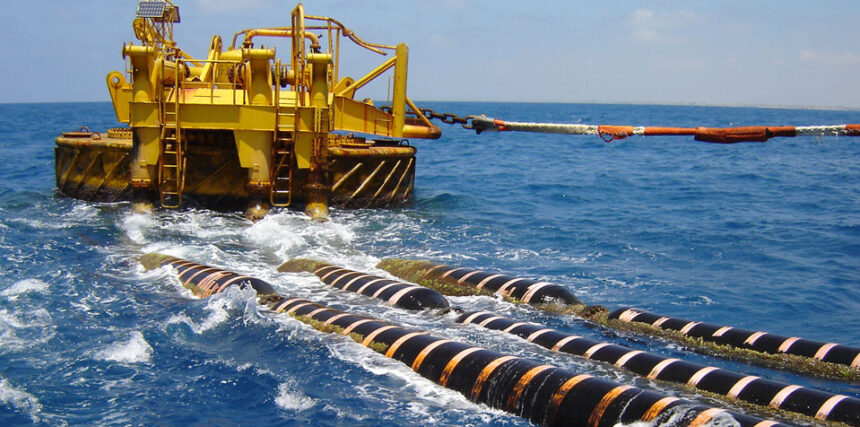
In December 2022, the signing of a Memorandum of Understanding (MoU) between Hungary, Romania, Azerbaijan, and Georgia marked a pivotal moment in the establishment of the Black Sea region as a green energy corridor. This agreement lays the groundwork for an ambitious project: the construction of the Black Sea Energy submarine cable, which will connect Azerbaijan’s vast renewable energy resources to Europe’s energy grid via Georgia and Romania.
The proposed undersea cable, expected to span approximately 1,195 kilometers (1100 underwater)—about the distance from Paris to Berlin—will be the longest of its kind in the world, with a transmission capacity of 1000 megawatts (MW). This capacity is sufficient to power up to one million European homes, making it a significant contributor to Europe’s renewable energy supply. The project’s strategic importance cannot be overstated—it is a critical component of Europe’s broader efforts to diversify energy sources, particularly in light of the continent’s recent move to reduce dependence on Russian energy. The potential rewards—enhanced energy security, reduced greenhouse-gas emissions, and strengthened regional cooperation—make this an initiative worth pursuing.
Azerbaijan: From Fossil Fuel Exporter to Clean Energy Provider
Azerbaijan, traditionally recognized as an oil and gas powerhouse, is undergoing a significant transformation as it seeks to become a leader in renewable energy. This marks a considerable shift from its fossil fuel-dominated past, underscoring the country’s commitment to sustainability. The Caspian Sea coastline, particularly rich in wind resources, has the potential to generate up to 7,000 MW of wind power. The estimated economic potential of renewable energy sources is 27 GW, comprising 3,000 MW from wind energy, 23,000 MW from solar energy, 380 MW from bioenergy, and 520 MW from mountain rivers (hydropower).
The Azerbaijani government has committed to invest over $2 billion in renewable energies, aiming to increase their share of renewable energy sources to 33 percent by 2027 and reduce CO2 emissions before it hosts the United Nations Climate Change Conference (COP29) in November 2024, reflecting a strategic pivot towards sustainability. Central to this plan is the Black Sea Energy submarine cable, which will enable Azerbaijan to export renewable energy to Europe. This transition not only reduces Azerbaijan’s dependence on oil and gas but also positions it as a crucial player in Europe’s energy transition.
Georgia: A Producer and Critical Transit Hub
Georgia’s strategic location between Azerbaijan, which is on the Caspian Sea, and the Black Sea makes it vital to the new energy corridor. Its importance extends beyond merely serving as a transit country; Georgia is rapidly developing its renewable energy sector, particularly in wind and solar power. Already known for its hydropower, which accounts for 73 percent of its electricity production, Georgia is now focusing on expanding its wind energy generation, estimated to be around 4,000 MW.
These energy infrastructure projects will solidify Georgia’s role not only as an energy transit country but as a key player in Europe’s green energy future.
Romania: Europe’s Gateway for Renewable Energy
Once the renewable energy from Azerbaijan and Georgia reaches Romania, it will be connected to the European grid, providing clean energy to several EU member states. Romania, which already generates over 11,000 MW of renewable energy (By 2023, the capacity had reached 11,763 MW), primarily from wind and hydropower, is set to play a pivotal role in this new energy corridor. The Black Sea Energy submarine cable would increase Romania’s renewable energy exports to Europe.
Romania’s involvement in this project underscores the EU’s commitment to diversifying its energy sources and reducing its reliance on fossil fuels. By acting as the gateway for renewable energy from the Black Sea region, Romania is helping to secure Europe’s energy future and ensure a stable, sustainable supply of electricity for generations to come.
A Gateway to Europe’s Green Energy Future?
The Black Sea Energy submarine cable represents a new energy corridor that links Azerbaijan’s and Georgia’s vast renewable energy resources with European consumers. This project is a model of regional cooperation, bringing together countries with shared interests in advancing renewable energy and reducing carbon emissions. The estimated cost of the project is around €2.3 billion, reflecting both its scale and ambition. However, the success of this initiative depends on the continued commitment of all parties involved. The technical challenges of laying an undersea cable, the geopolitical complexities of the region, and the need for substantial investment all present significant hurdles. Yet, the potential rewards—enhanced energy security, reduced greenhouse-gas emissions, and strengthened economic ties—make this a project worth pursuing.
The Black Sea’s transformation from a geopolitical crossroads to a green energy gateway is not just a possibility—it is a necessity for Europe’s energy future. The collaboration between Azerbaijan, Georgia, and Romania, supported by the European Union, is a promising step toward realizing this vision. By harnessing the renewable energy potential of the Black Sea region, Europe can reduce its reliance on fossil fuels, secure its energy supply, and make significant strides toward its climate goals.
For investors, this transformation presents a unique opportunity to engage in the development of a new energy corridor that promises both economic returns and strategic significance. The Black Sea Energy submarine cable is more than just a project; it is a symbol of what can be achieved when countries work together toward a common goal. The question remains: Can this ambitious vision be realized, and can the Black Sea truly become the green energy gateway that Europe so desperately needs? The answer will depend on the region’s ability to overcome the challenges ahead and fully embrace its role in shaping the future of Europe’s energy landscape.
Natia Gamkrelidze