… Population was forcibly relocated from the territory of this country, the history of its lands and people was ruthlessly falsified by tsarist and later Soviet ideologists; Bolsheviks destroyed its short-lived statehood obtained during the First World War in 1918; in recent post-Soviet history, an aggressive neighbor occupied parts of its territory, proclaiming there an unrecognized quasi-republic, where all historical and cultural traces of the victim nation were systematically obliterated, and where its language and literature were banned, forcing millions into migration and internal displacement.
Sounds familiar, doesn’t it? Only the bloody climax of this story is about thirty years old, the aggressive neighbor in this case is Armenia (but with the direct involvement of Russia), and the country that has survived an occupation and temporary loss of its territories, genocide and ethnocide is Azerbaijan.
There is a fairly large Azerbaijani diaspora living in Ukraine today, which has taken an active position in the Russo-Ukrainian war since 2014 (the Azerbaijani diaspora of Crimea is the only national diaspora of the peninsula that never recognized the Russian annexation and publicly declared this in the spring and summer of 2014), many ethnic Azerbaijanis with Ukrainian passports are fighting in the Ukrainian army, there are also many Azerbaijanis in the International Legion (Turkic Battalion) and territorial defense units.
Azerbaijani volunteers often say that the Russians already deprived them of one homeland, many years ago, and they do not want to let them do it again. During the First Karabakh War between Armenia and Azerbaijan, Russian troops openly fought on the side of Armenia, as it made territorial claims to the Karabakh region of Azerbaijan. That inhumane war has many parallels with the current Ukrainian misfortune: in the early 1990s, Armenian and Russian artillery wiped entire towns off the face of the earth, killing civilians by the hundreds with the sole purpose of removing traces of Azerbaijani history from the seized lands forever. Subsequently, the invaders did not even populate most of the occupied Azerbaijani lands; they needed these territories only as a buffer zone or as a source of quick profit (from fossil resources or the property of civilians who had fled from the massacre). This picture is familiar to every Ukrainian, isn’t it? Only back then, they were not mostly stealing washing machines—they were literally taking people’s empty houses apart for bricks.
Azerbaijan went through the pain of defeat, mourned the victims—and for almost thirty years, clenched its fists and gritted its teeth, systematically preparing to reclaim its own. For thirty years Azerbaijan quietly and discreetly strengthened its army, purchasing equipment and ammunition from around the world, built its defense industry from scratch, trained its soldiers in military operations and tactical medicine according to NATO standards, educated its officers, and planned the future Patriotic War, in order to expel the invaders from their land in just 44 days two years ago and restore its sovereignty over the occupied territories.
Alas, victory alone was not enough. The invaders left behind mostly scorched earth, thousands of square kilometers of land contaminated by unexploded ordnance and mines; people who were eager to go back to their native lands simply had nowhere to return. And Azerbaijan began the long journey of reconstruction and reintegration of the recaptured territories.
… This is the journey Ukraine will have to take as well.
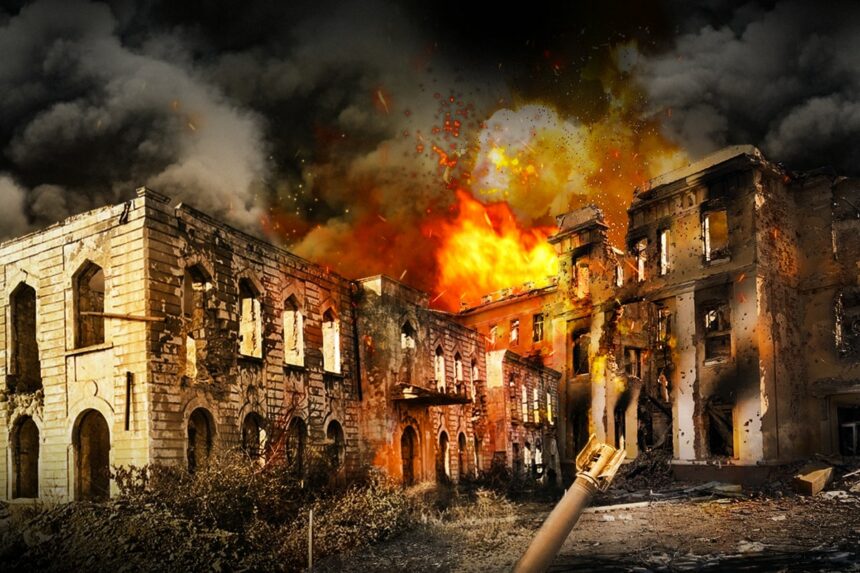
Azerbaijani ruins
It will hardly surprise any Ukrainian reading these lines, but the root cause of all the troubles in the recent history of Azerbaijan was, as in our case, Russia. Having completed the occupation of the Caucasus in the 19th century, having divided the territory of the Azerbaijani khanates with Persia (now Iran), the imperial generals were seriously concerned that the Muslim Azerbaijanis would gravitate to separatism—and get a powerful ally in the fight for independence in the form of the Muslim Ottoman Empire.
The Russian imperialists approached the “solution of the problem” with their usual brutality and decided to populate the southern part of the Caucasus with Christians, thus creating a buffer zone between Russian and Turkish Muslims. Their choice of “Christianizers” of the southern lands of the empire was a people that did not have a statehood of its own, the Hays, who lived in present-day Turkey (close to Mount Ararat, which is sacred to them) and Persia. Hay is the endonym of Armenians in the Armenian language. The word “Armenia”, according to one of the most common scientific versions, may originate from the name of an ancient (over 2,000 BCE) state in the north of modern Syria. And the researchers of the Armenian epos conclude that the Hays migrated to Ararat from Mesopotamia, that is, the lands of present-day Iraq. However, the official Armenian and Russian imperial historiography assures us that Armenians inhabited and even had their own state in the Caucasus at the beginning of the first millennium CE, but this theory is not confirmed by the world archeological science.
Be that as it may, the last successful Hay state-building project at the time was the Cilician state, a feudal principality and then kingdom that existed from the 11th to 14th centuries on the Mediterranean coast on the border between the southeastern part of present-day Turkey and Syria. Cilicia became an important ally for the Crusaders, but was eventually destroyed by the Mongols and formed part of the Ottoman Empire, where the Christian religion became the basis for preserving the national identity of the Hays (some of whom left the Ottomans for what is now Iran, Persia). This historical experience, which implied a dislike of Muslims, seemed convincing enough for Russian colonizers (in particular the ideologist of the resettlement of the Hays from Persia to the Caucasus, diplomat and writer Alexander Griboyedov), and the process of Christian resettlement to the Southwest Caucasus, where the local Muslim population was forcibly deported, began in the 1830s.
As a result, the Armenian Province was formed in the territory of the Irevan Khanate (West Azerbaijan) with its center in the city of Irevan (the capital of the khanate, a fortress city founded by the Muslim commander Revangulu Khan in the early 16th century). Azerbaijanis were gradually and steadily pushed eastward since the late 1820s, under the patronage of the imperial army and officials. The imperialists began referring to Irevan as Erivan.
However, the Armenian Province did not exist for long, as in 1840, Russian Emperor Nicholas I, betraying the promises of the Russian crown, dissolved it by royal decree and abolished the special privileges of Armenians and the Armenian Church in those lands. After a series of uprisings in the Caucasus, the South Caucasus was once again administratively reshaped in 1849, and the Erivan Governorate, populated by Azerbaijanis and Hays and centered in Erivan, was established.
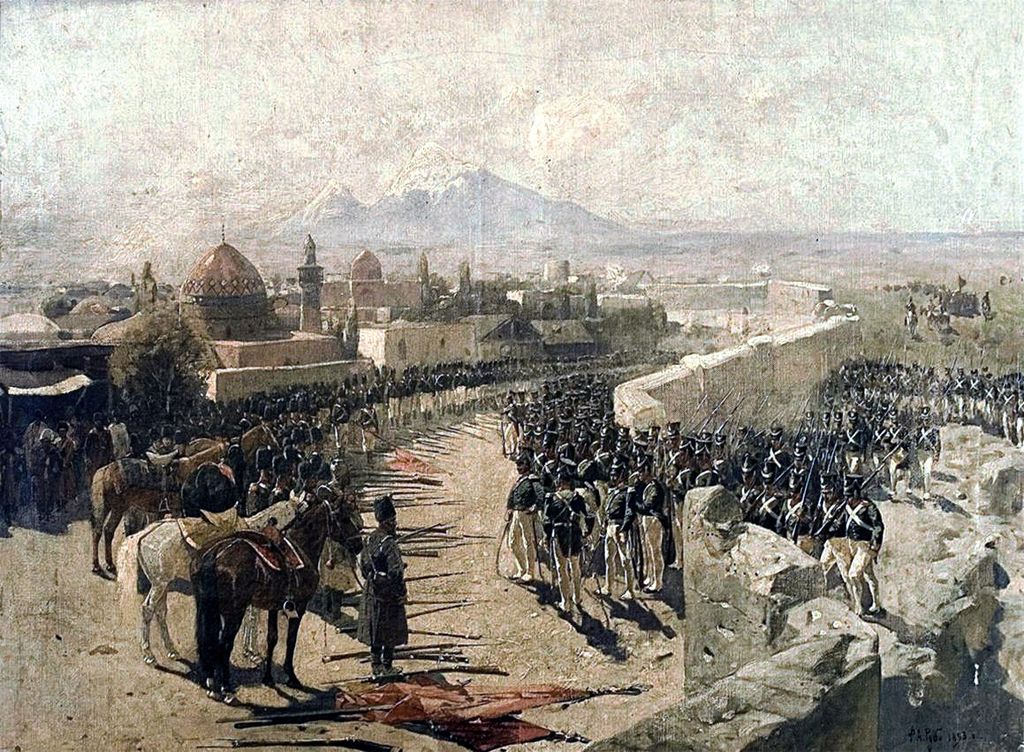
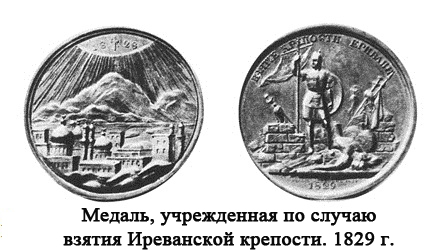
The painting “Capture of Erivan Fortress by Russia” (1827) by Franz Roubaud and the imperial medal “On the Occasion of the Capture of Erivan Fortress” (1829) show typical views of a Muslim city with a mosque
At the time of the collapse of the Russian Empire, in 1918, both Azerbaijan and Armenia (as well as Ukraine) briefly gained independence: the Azerbaijan Democratic Republic was even able to establish diplomatic relations with our Ukrainian People’s Republic. Amid the First World War and the global redrawing of borders, the ADR agreed not to challenge the ownership of the Erivan Governorate inhabited by Azerbaijanis and Armenians and gave it to Armenia along with the central city, which subsequently became the capital of the new Armenia, Yerevan. As a result, the outflow of the Azerbaijani population (who found themselves on the other side of the border from their people and the capital Baku) from there increased even more. Both states (as well as the Ukrainian People’s Republic) did not last long and were soon occupied by the Bolsheviks.
Since the settlement of the Hays in the Caucasus, first imperial and then Soviet ideological propagandists relentlessly falsified historical information about the region and the people who inhabited it (no less than the history of Ukrainians and the Ukrainian language, which, as we remember, was at best assigned the role of a “younger brother” and a “dialect”, while in the extreme ideological convulsions of the rashists, as we know, the Ukrainian language is a fake, Ukrainians never existed, and our country was invented by Lenin). You can read more about the large-scale falsifications of historical manuscripts, chronicles and archaeological finds in the Caucasus by pseudo-historians in the service of Russia HERE.
Gradually, already in Soviet times, the Armenian party elites birthed a demand for the expansion of subordinate territories (since the Armenian SSR was the smallest in the USSR in terms of area and extremely poor). Based on the fabrications of Russian imperial and Soviet pseudo-historians, the Armenian politburo began to openly claim Karabakh, an Azerbaijani region rich in gold and copper deposits and sharing a border with Iran (and the existence of a state border, especially with a capitalist country, even in the USSR meant more opportunities for the local elites in power). These desires were finally shaped into territorial claims in 1986-87, after Mikhail Gorbachev, who had worked for many years among Armenian party officials until his appointment as general secretary, came to power in the late era of the Soviet Union. At that time, a public movement called the “Karabakh Committee” was established in Armenia (unthinkable democracy for the USSR!), which openly demanded that the relatively rich Azerbaijani region be placed under Yerevan’s control.
At the same time, as the “unbreakable” Union was coming apart at the seams after the Chernobyl disaster and the disgraceful defeat in the Afghan war, the KGB began to implement a strategy of local wars and frozen conflicts in the border republics so that it could use the army in the outskirts of the decaying empire against civilians, who were increasingly disgruntled by the endless expectations of a bright socialist future under totalitarianism and by food shortages (apart from Karabakh, the first portent of this cannibalistic strategy, the whole world knows the sad examples of Georgia and Moldova. In recent history, the Russians tried to do the same in Donbass in 2014).
In the end, the Central Committee of the Communist Party gave its tacit approval and the KGB began inciting ethnic hatred in Armenia and Azerbaijan. Talented KGB provocateurs first organized Armenian rallies in the Azerbaijani city of Khankendi (a city in Karabakh, where Armenians made up a large percentage of the population), which escalated into spontaneous pogroms of the Azerbaijani population. Azerbaijani refugees fleeing from ethnic gangs were “graciously” taken by buses to the Azerbaijani industrial city of Sumgayit, where they told their fellow citizens about the events in Karabakh at impromptu rallies, causing a natural violent reaction.
Amid the growing discontent of Azerbaijanis, gangs of hired thugs, much like Titushki in Ukraine, started operating in Sumgayit. Yes, there is nothing under the sun with Russians. These criminals, led by KGB agent Eduard Grigoryan, an Armenian (!) with three criminal records, carried out a large-scale pogrom of Armenians (!) living in Sumgayit on February 27-28, 1988.
By the way, Armenian Grigoryan was eventually officially indicted and convicted for organizing crimes against his compatriots in Sumgayit. At the insistence of the Kremlin, he was transferred to serve his prison sentence in Russia, where he was released as soon as possible—and he has been living quietly in Moscow Oblast ever since.
The Soviet OMON, followed by the army, entered the territory of Azerbaijan to “restore order”. The fuse of the future war was lit, it could have started right in the winter of 1988-89, but was postponed by the devastating Spitak earthquake in northwestern Armenia. As a result, the carnage began in 1990 and reached its climax after the collapse of the Soviet Union, escalating into the First Karabakh War of 1992-94, where the Russian Federation openly took the side of Armenia against Azerbaijan, leaving the small post-Soviet republic no chance of victory.
The result of this large-scale KGB operation was the freezing of the conflict, Azerbaijan’s loss of control over Karabakh and the exclaves of the republic (Azerbaijani territories surrounded by Armenia from all sides), Armenia’s loss of control over its exclave of Artsvashen in Azerbaijan, hundreds of thousands of refugees, up to 35,000 deaths, the destruction and devastation of what was once a thriving region and the emergence of the unrecognized quasi-state of Artsakh (an analog of “L/DPR”, a puppet regime actually controlled by Yerevan, an open corridor for Iranian drug trafficking and other contraband) in the territory occupied by Armenians and Russians.
For Moscow, the main achievement of this entire operation was, ultimately, Armenia’s total dependence on the Kremlin and the Russian armed forces, permanently stationed at a military base in Armenia, as well as on Russian energy resources and fuel. Armenia has become an eternally reliable ally of the Kremlin imperialists on the military and diplomatic front (for example, it now supports the killing of Ukrainians by Russians in the UN).
With the help of Russia, Armenia not only seized foreign territories, but also completely won the information war against Baku. Yerevan had all the power of the Russian propaganda machine at its disposal, as well as a large Russian and Armenian diaspora in the US, France, and Canada, lobbying for Armenian interests and spreading blatant lies about the Karabakh war. The “crucified little boys in panties” that the Russian propagandists fed to the world in 2014 are child’s play compared to the falsifications and systematic information work carried out against Azerbaijan. In many countries of the world, the First Karabakh War is still perceived as a “liberation war of Christians” who opposed their alleged genocide organized by Muslims (yes, “they bombed Donbass for 8 years”). Many international organizations and human rights activists regularly visit Azerbaijan in futile search for traces of crimes against Armenians. Yet no one in the last 30 years has showed any interest in the crimes openly committed against the Azerbaijani people during the Armenian invasion and occupation of Karabakh.
In the Russian-language and even Ukrainian-language (!) Wikipedia, all articles on Armenia-Azerbaijan relations and history are carefully edited, and if falsifications are easily refuted by authoritative sources, in this case, events and time periods inconvenient for the Russian-Armenian interpretation of history are simply not there (try reading up on the history of Yerevan, on the Karabakh war or on pogroms of Azerbaijanis and you will see many blank spots, periods spanning entire decades with not a single written word about them).
The Armenians have gone even further in their cause: they have physically destroyed all possible evidence of their relatively recent arrival in Armenia itself and Karabakh. For example, they demolished the monument they themselves had erected in 1978 to commemorate the 150th anniversary of the resettlement of Armenians in the Karabakh town of Agdhara.
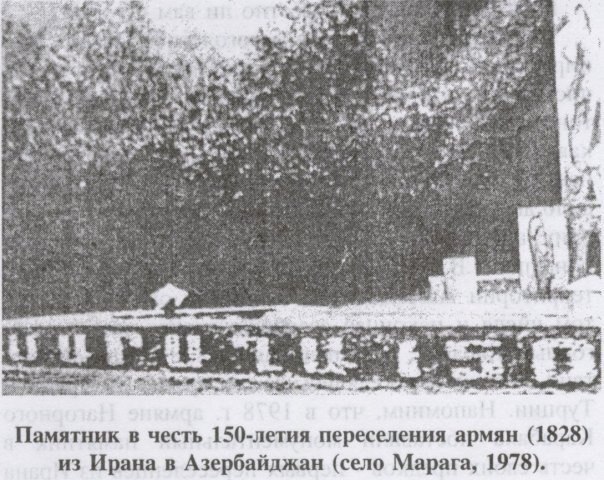
Baku was able to restore justice and its control over Karabakh and the Iranian-Azerbaijani border only 26 years later, in the victorious Second Karabakh War of 2020, which Azerbaijan now calls the Patriotic War.
By the way, this, too, is revealing: in the end, Russia betrayed its ally by disappointing Armenian expectations of serious military assistance in that war. Although the Russian imperialists brought the Armenian people to the Caucasus from all over the world, promising them prosperity in a foreign land and patronage in exchange for loyalty, in fact, after two centuries of using Armenians as a battering ram against the native Caucasians, the Kremlin abandoned the entire nation, leaving the Hays to deal with Russia-induced problems on their own.
Dangerous ground
The first very serious problem that awaits us after the victory, one that Azerbaijan is deeply immersed in now, is demining, clearing the de-occupied territories of explosives.
Karabakh is currently one of the most mine-contaminated regions of the world. However, it is likely that by the end of our war Ukraine will confidently claim the unfortunate supremacy in this matter.
In Azerbaijan, the specially established state demining agency, ANAMA, is engaged in the demining of territories alongside the military. The agency involves both its own specialists and private contractors in this dangerous, painstaking work. Even with over two thousand people daily clearing the lands of Karabakh from the deadly surprises for two years (there are about 500 working deminers left now, as the services of foreign contractors are prohibitively expensive), only about 600 square kilometers of the about 10,000 square kilometers of the mined land were cleared, an area comparable in size to Qatar or Lebanon.
The average rate of clearing the land from the Armenian heritage in Karabakh is only 50 square meters per day per deminer. With a service dog, a deminer’s rate of inspection goes up to 750 square meters per day, but in the end, it all depends on the density of mining. The demining personnel recall that once they had to spend a lot of time on a 2 square meter patch of the road, where the occupants kindly buried 11 anti-personnel mines. Moreover, the Armenians mined mosques and cemeteries with devilish meticulousness: the density of mining at such sites is so high that the territory can only be cleaned manually—no special equipment will do, and dogs cannot handle it.
The demining process is slowed by the millions of fragments and casings that pepper the local soil and trigger metal detectors, forcing deminers to scrutinize literally every square centimeter of the ground.
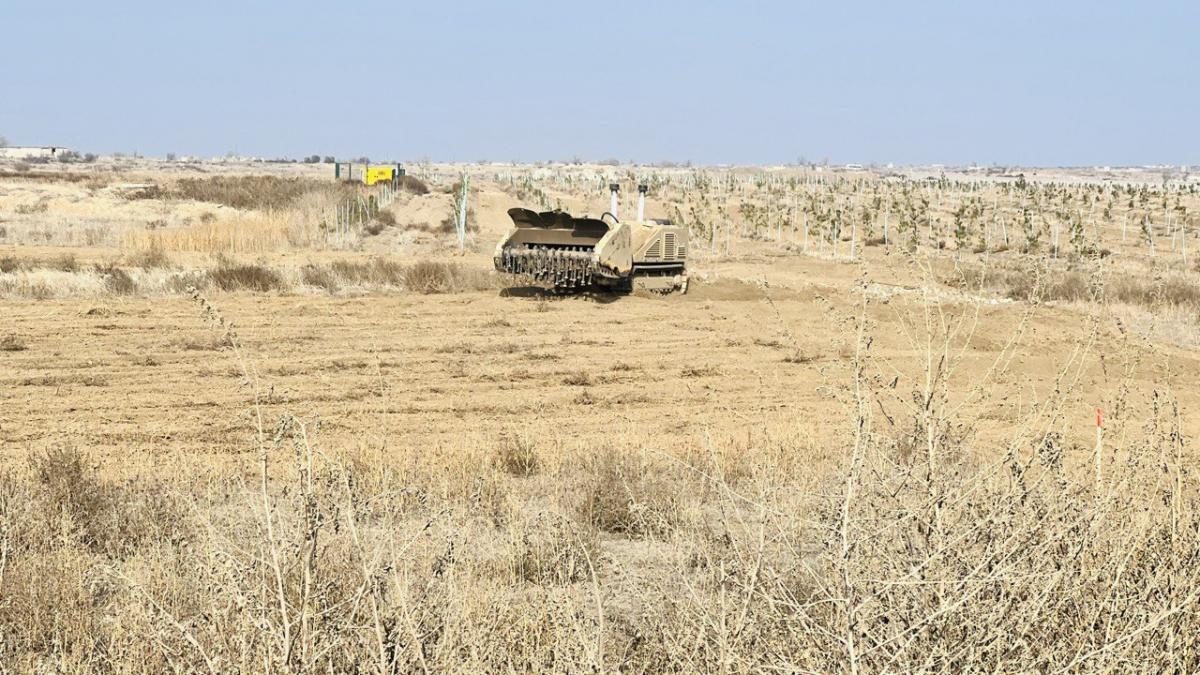
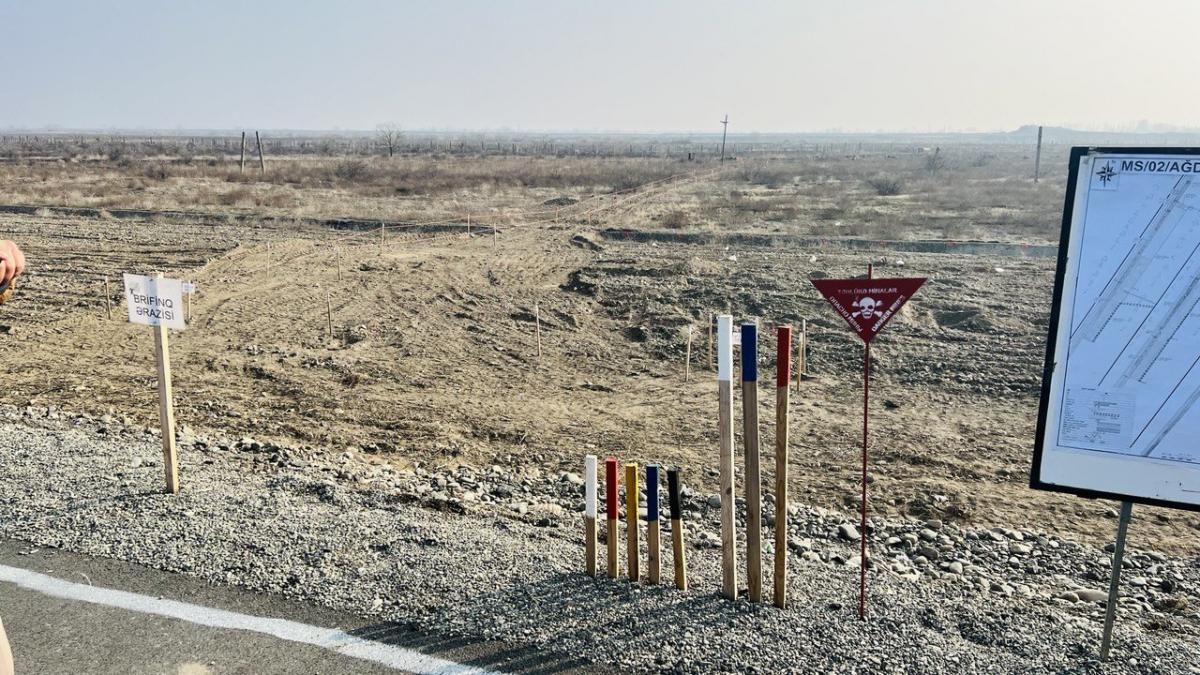
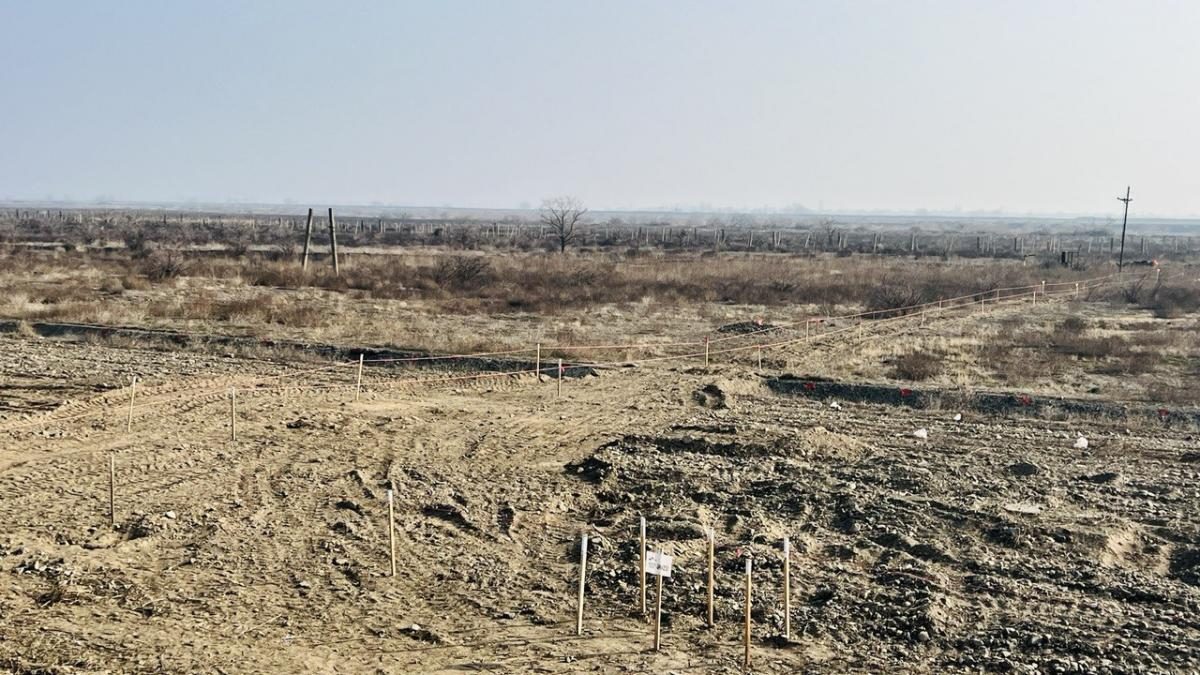
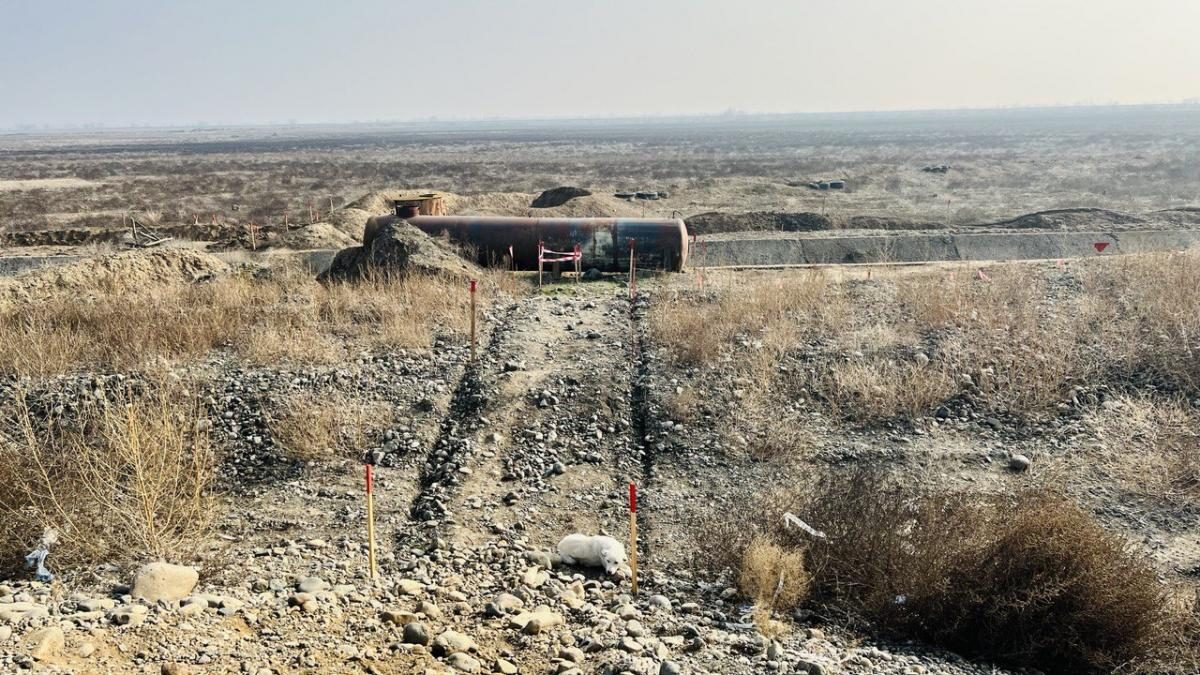
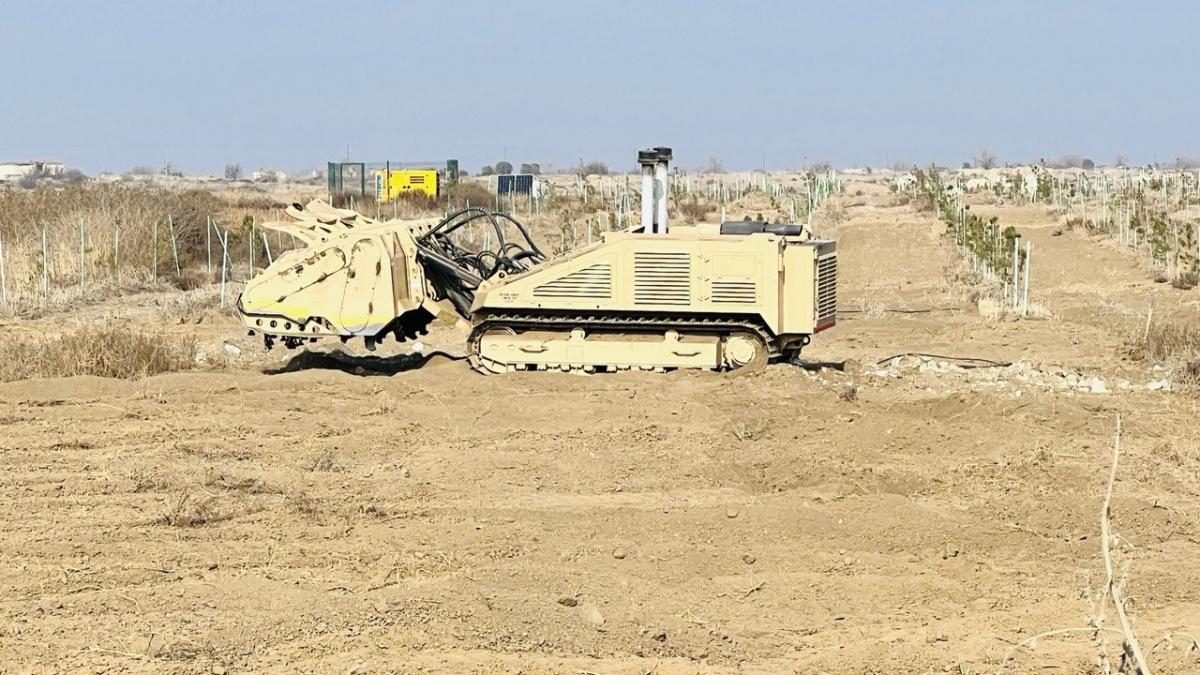
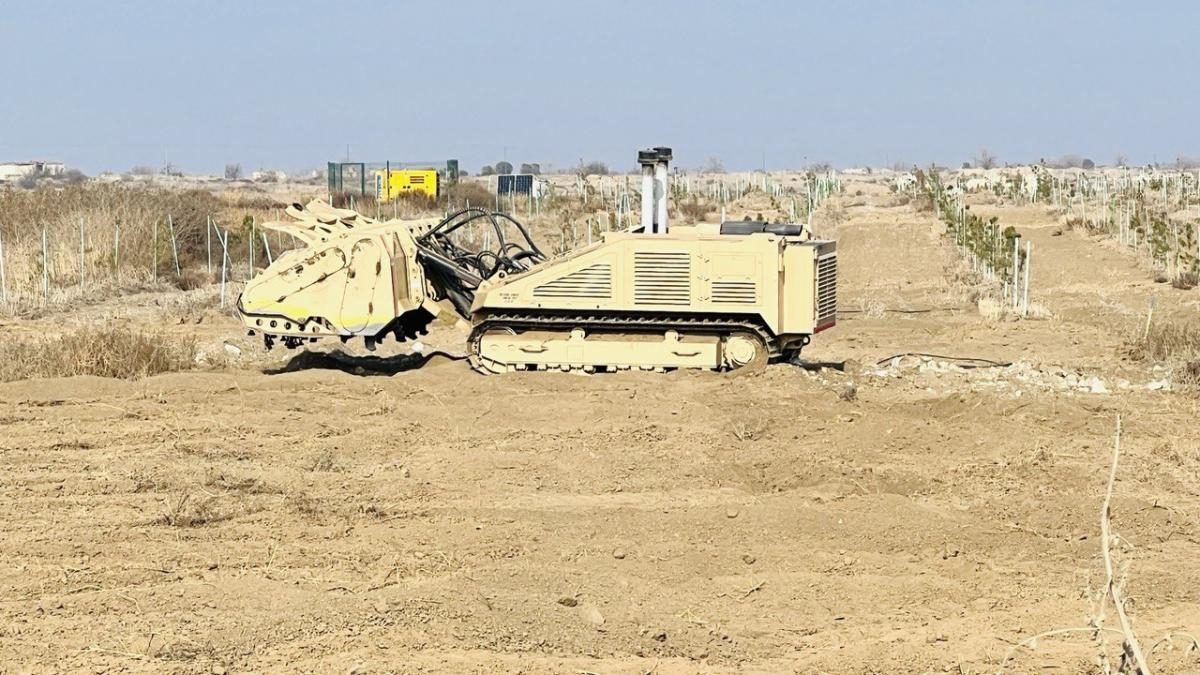
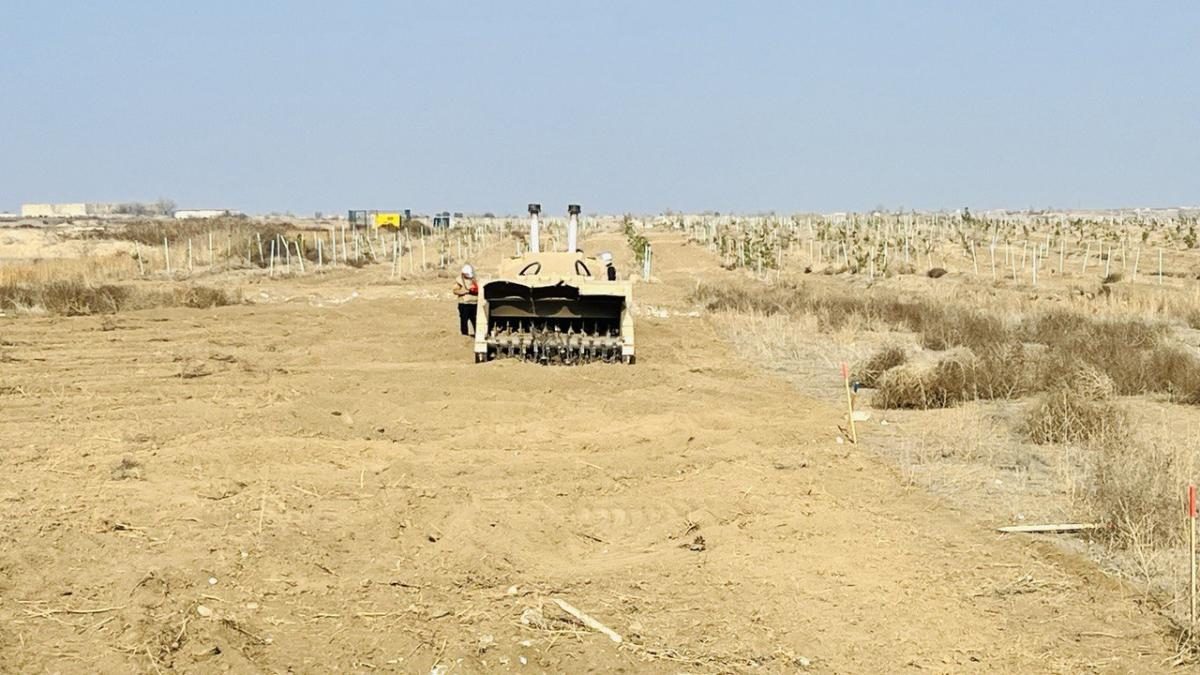
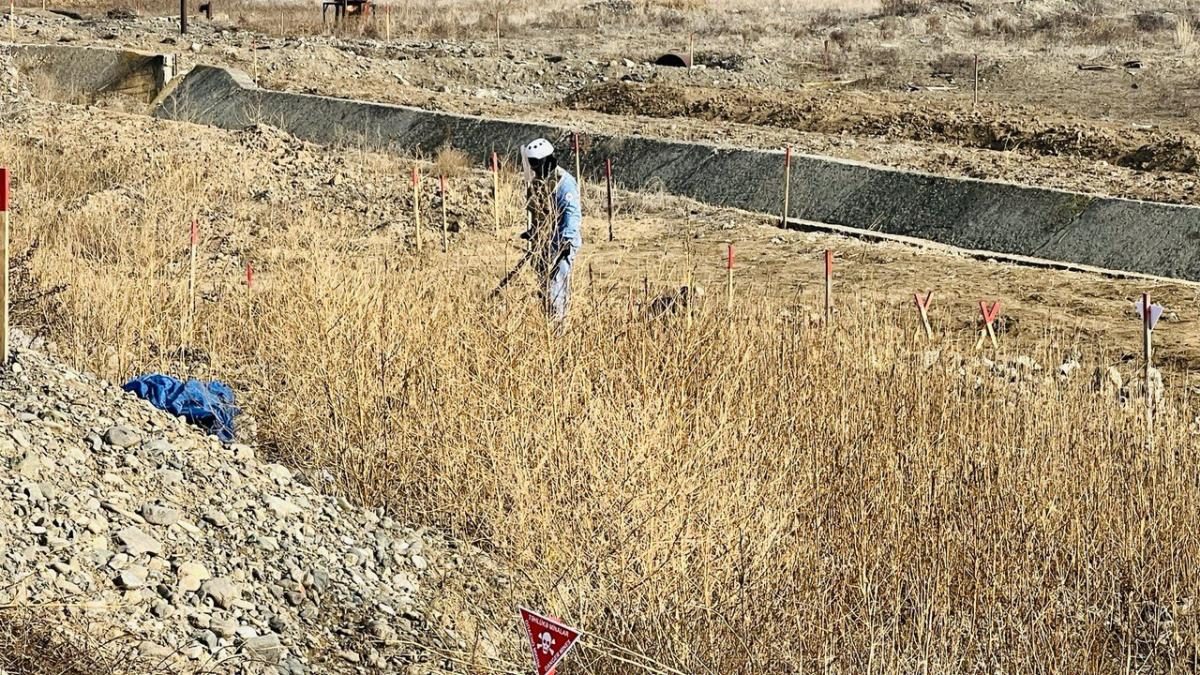
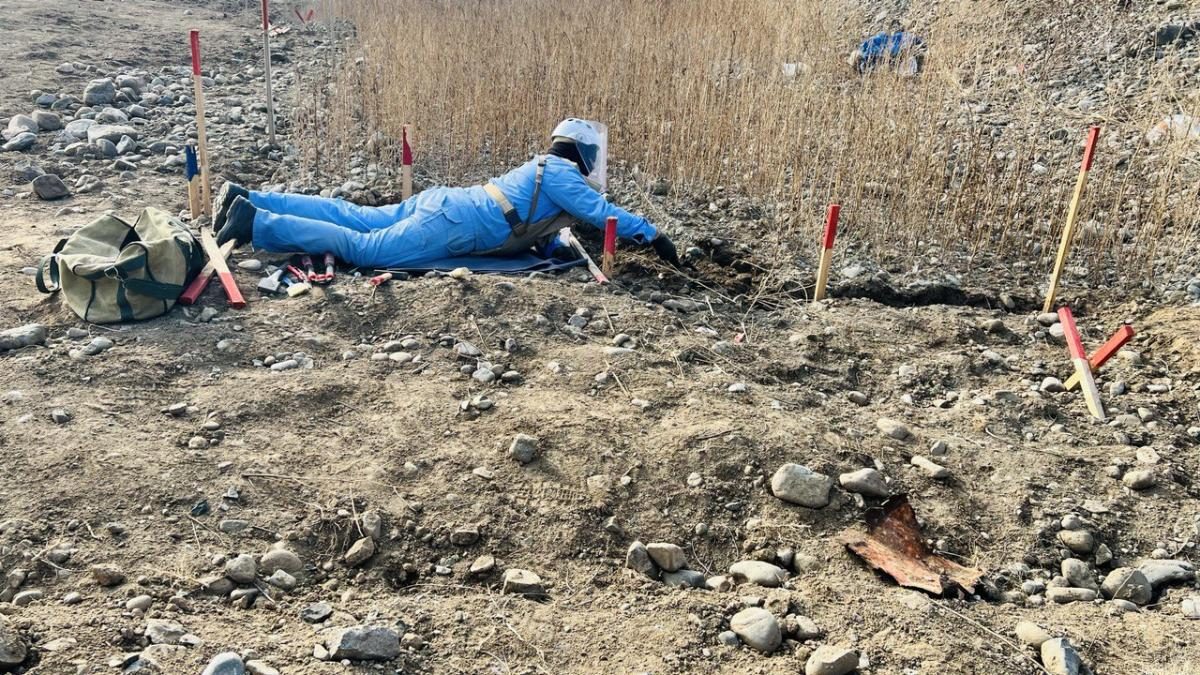
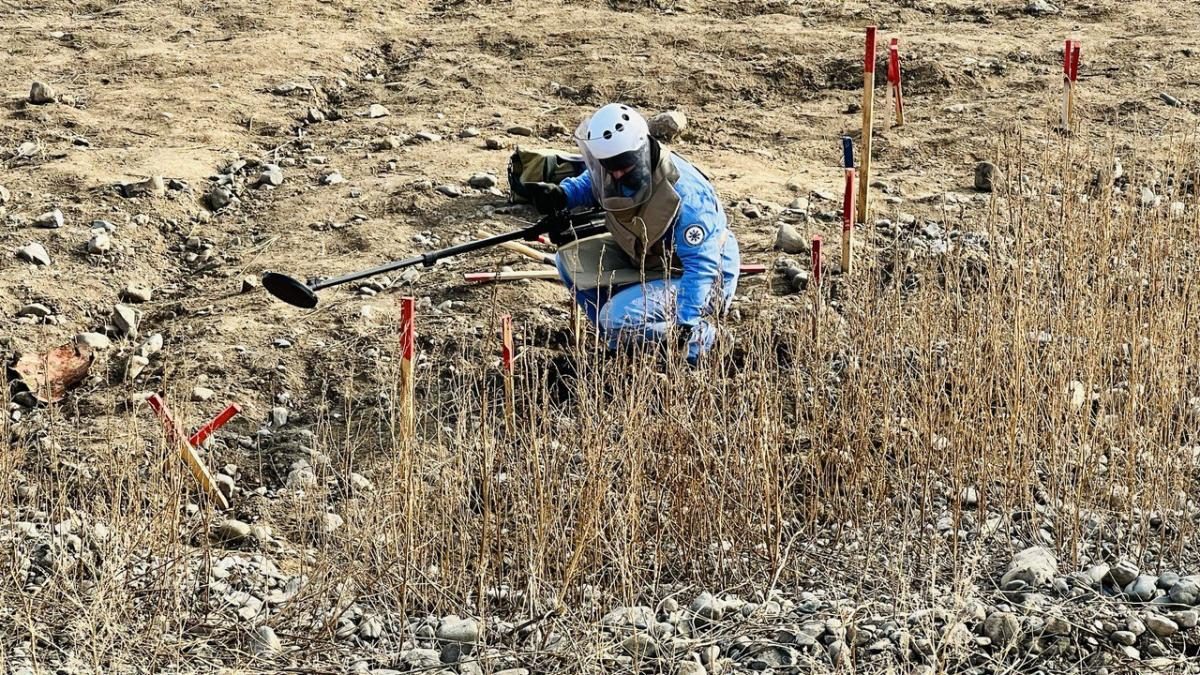
Although under the terms of the ceasefire agreement the Armenian side handed over its maps of minefields to Azerbaijan (for example, the maps show more than 97,000 mines in Aghdam District alone), their accuracy, according to realistic estimates, is only about 20%.
To speed up the process, Azerbaijani deminers resorted to science. The land is now inspected by Croatian remote-controlled heavy machines and state-of-the-art drones: the Azerbaijani-Israeli UAVs are capable of scanning the soil to a depth of one and a half meters from the air.
Technologies like this would undoubtedly be of great help to Ukraine.
Dead land
Despite the claims the Armenian occupiers of Karabakh make about their alleged historical ownership of the territories of West Azerbaijan (and even the “sacred importance” of these territories), Armenians have brought only destruction and death to most of these lands, without even trying to populate them or build anything there. This is somewhat similar to the scorched earth tactics used by Russia in the Ukrainian Donbass; in our case, however, the wiping out of eastern Ukrainian towns is dictated by military necessity: incapable of capturing towns, the Russians simply destroy every single building in them with aircraft and artillery, occupying, essentially, scorched wasteland holding which makes no sense for the Armed Forces of Ukraine. In Karabakh, the Azerbaijanis were forced to abandon their villages and towns, their houses and farms in the face of the Armenian offensive under the cover of the Russian military, leaving them with the hope to return one day.
… As it turned out, the invaders did not need Karabakh’s towns and villages, infrastructure and buildings. The occupiers plundered everything that could be looted and taken away. Everything of value was pulled out of the empty Azerbaijani houses: furniture, utensils, windows, doors, roof slates. Nature itself did the rest over three decades. The occupiers sold Azerbaijani houses in the areas bordering Iran to Iranians: the latter came in trucks, paid Armenian soldiers $100 per house, then dismantled those houses for bricks, down to the foundations, and took the building materials to their homes in Iran.
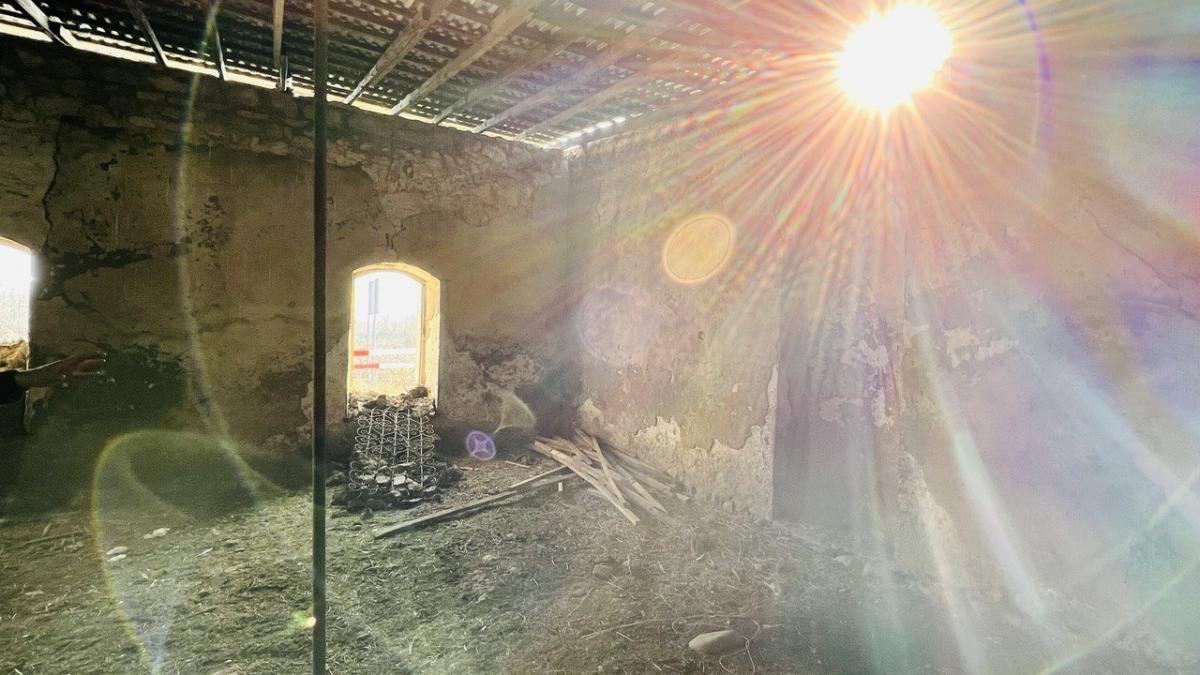
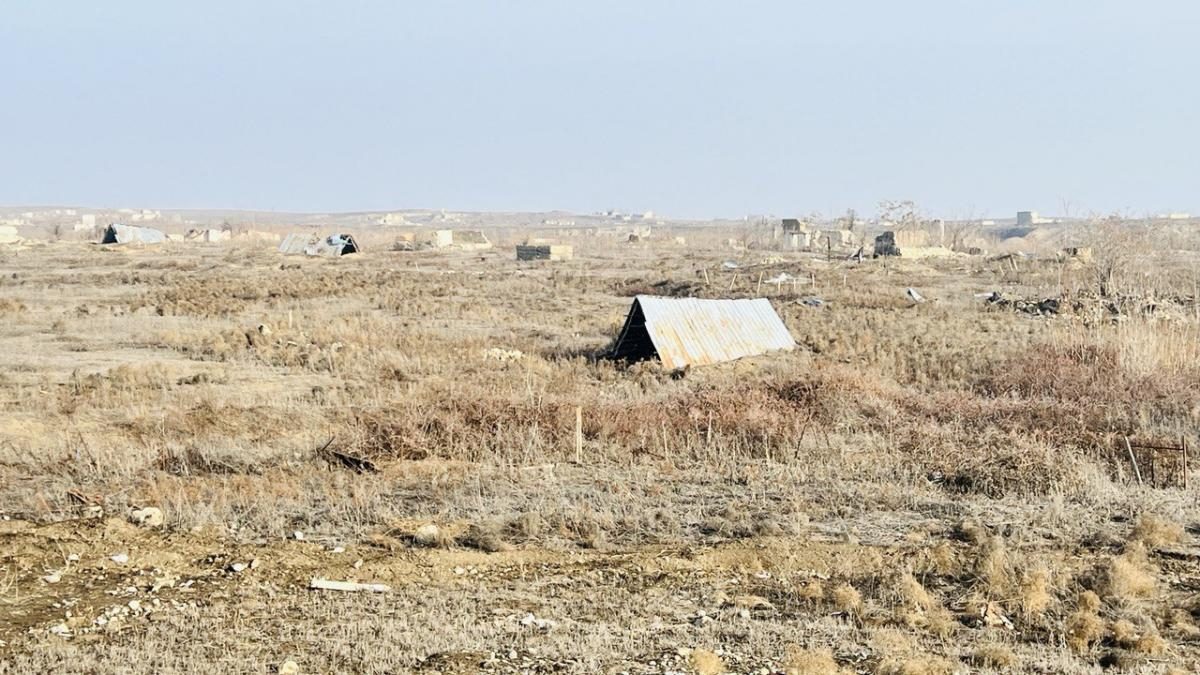
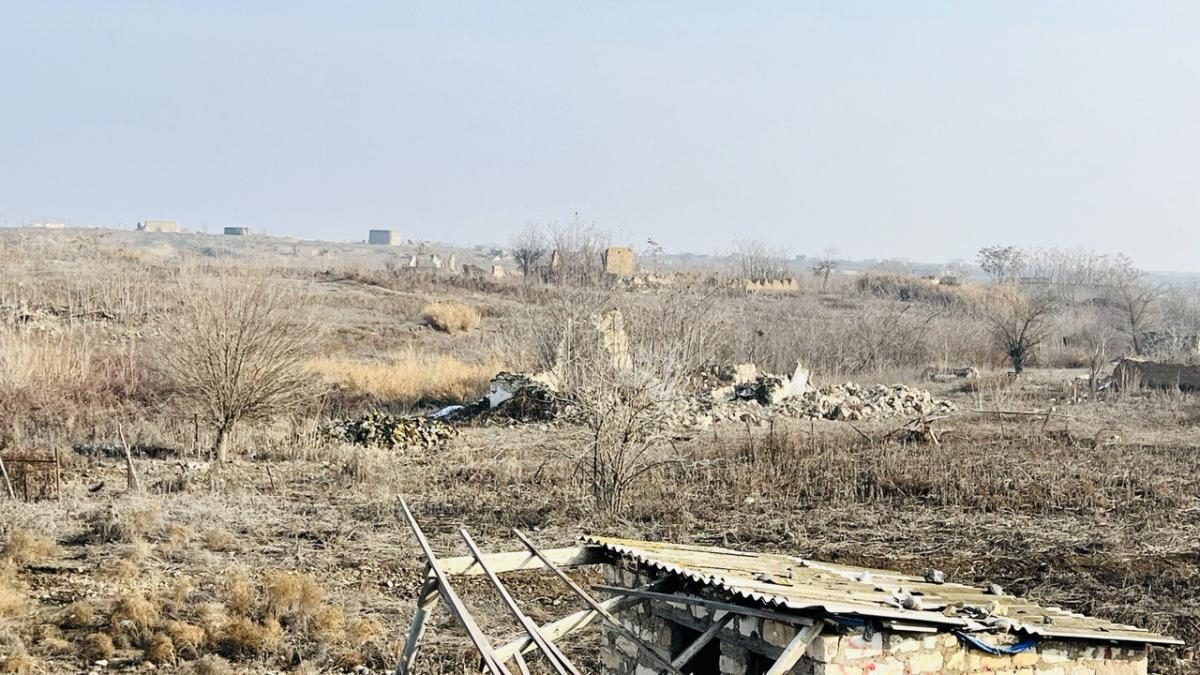
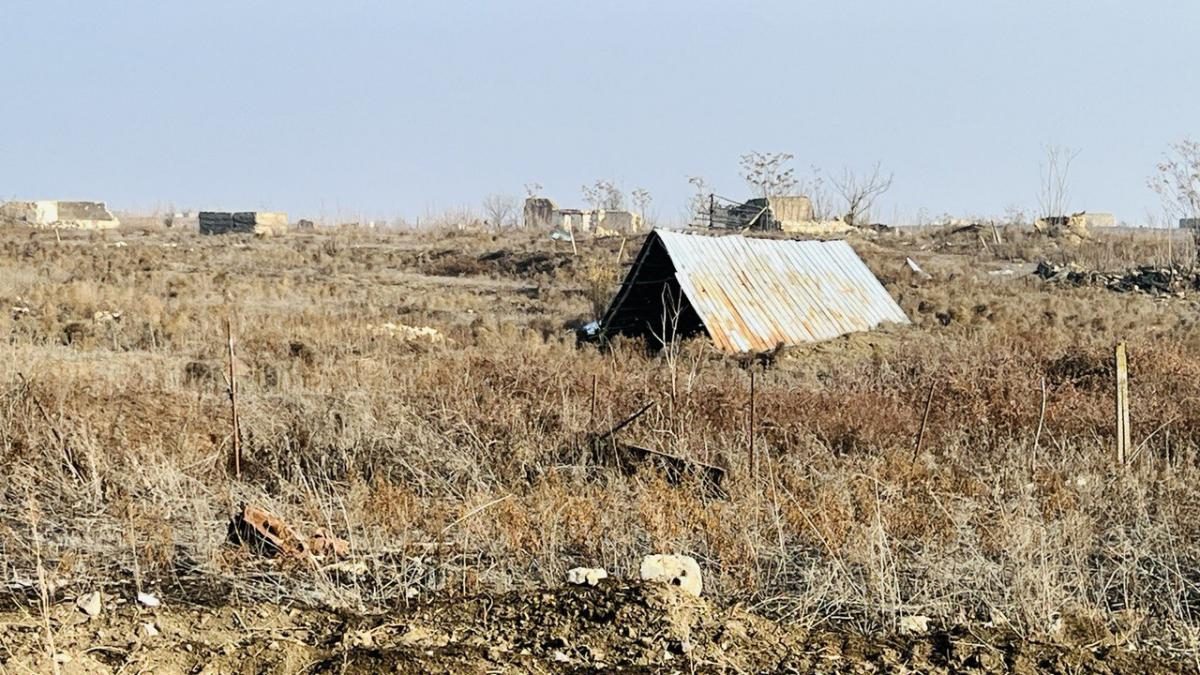
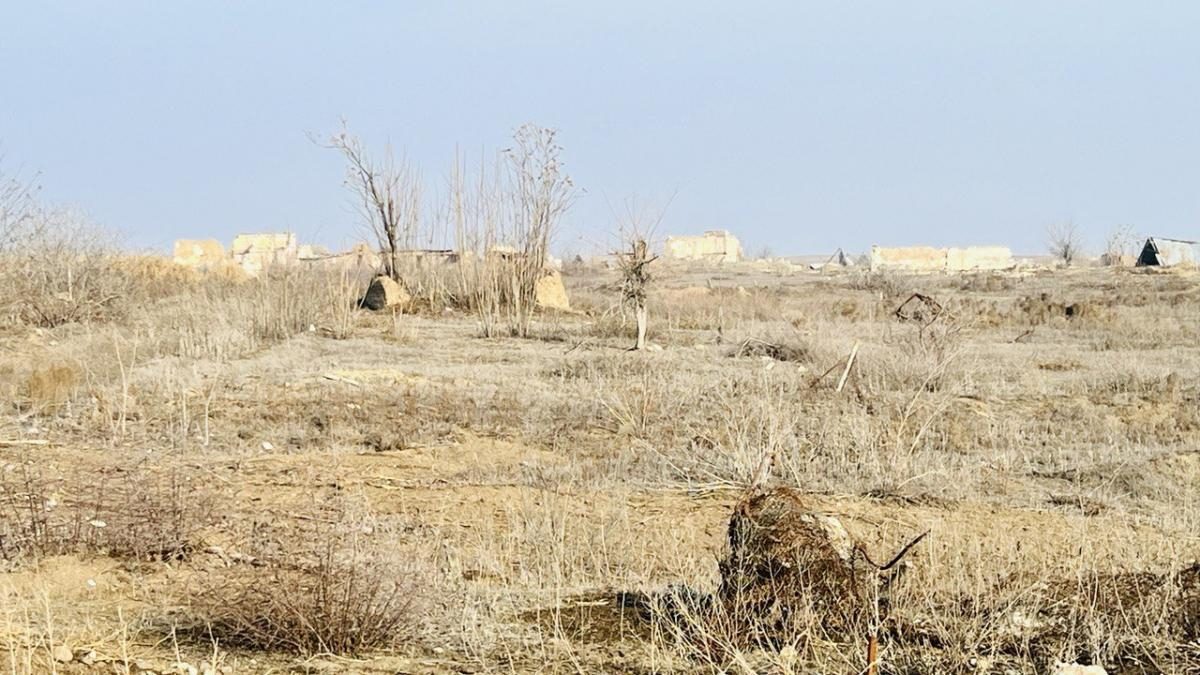
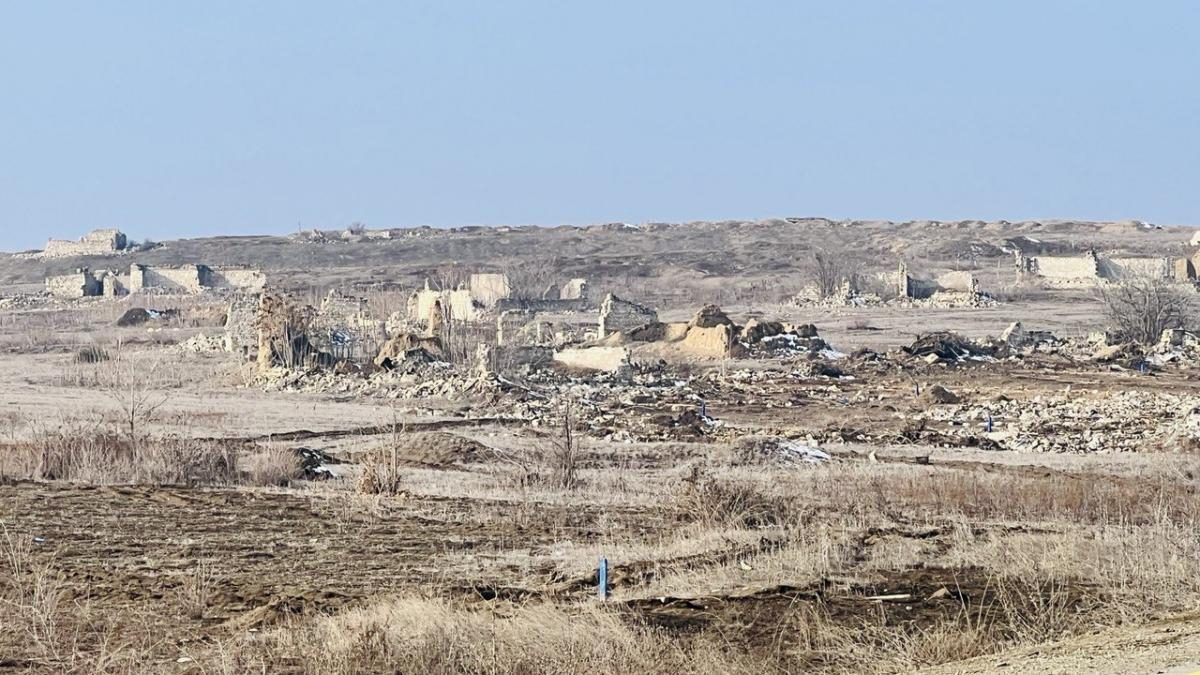
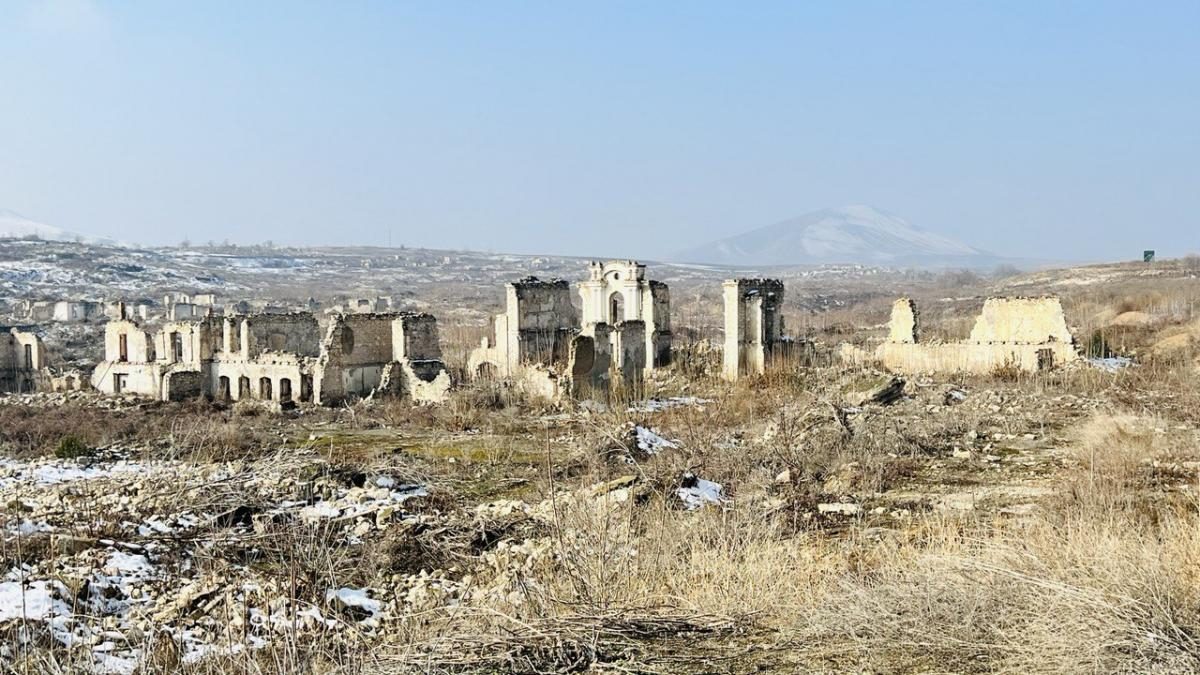
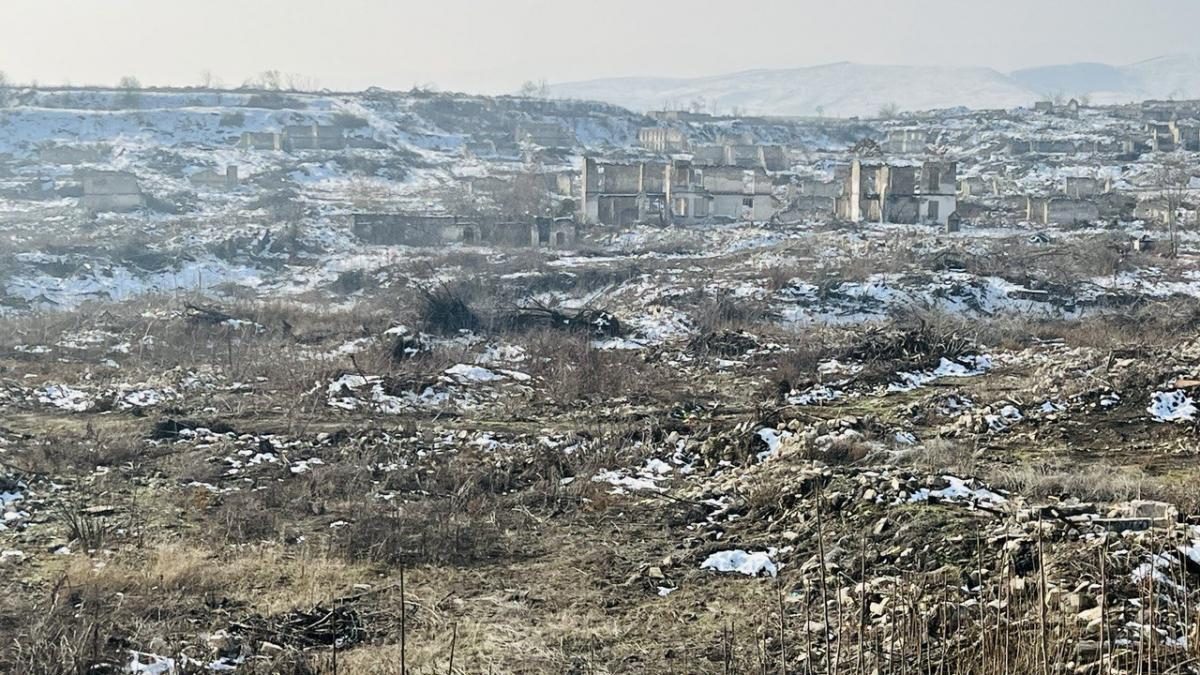
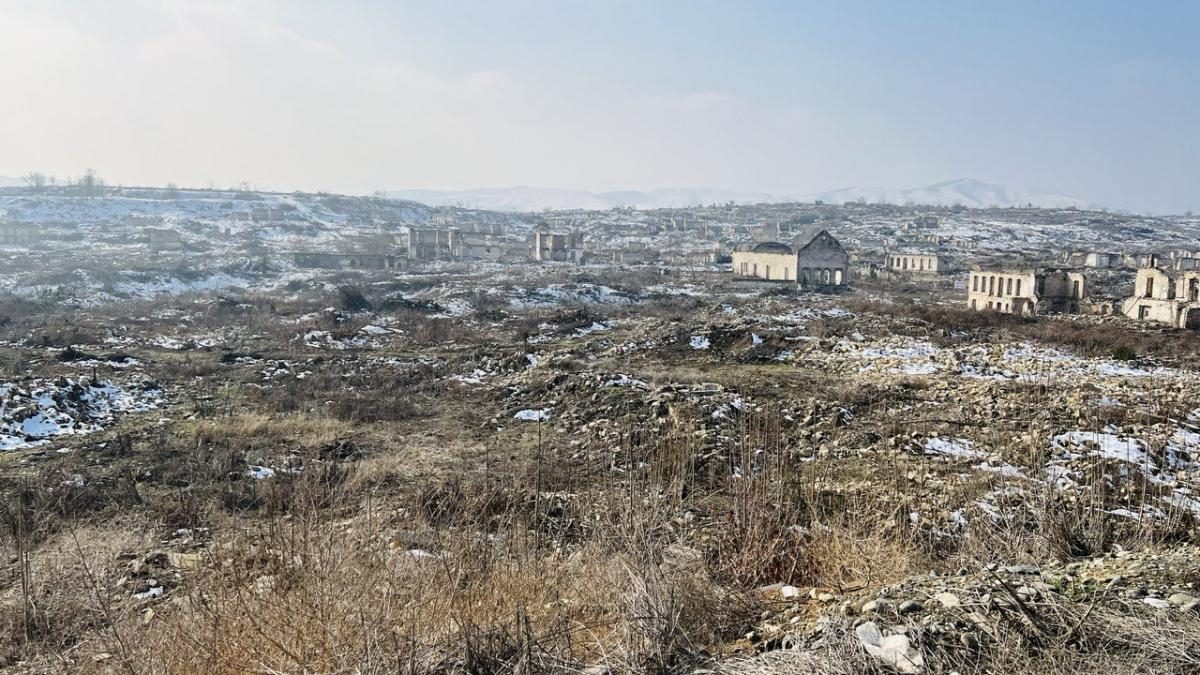
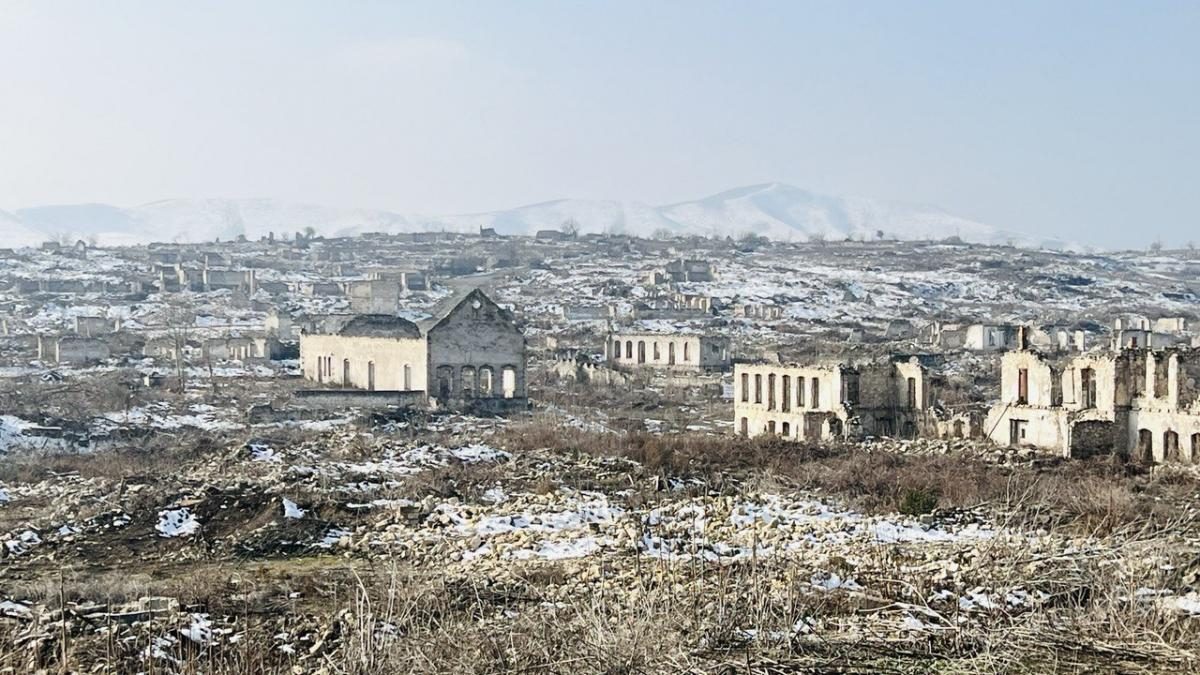
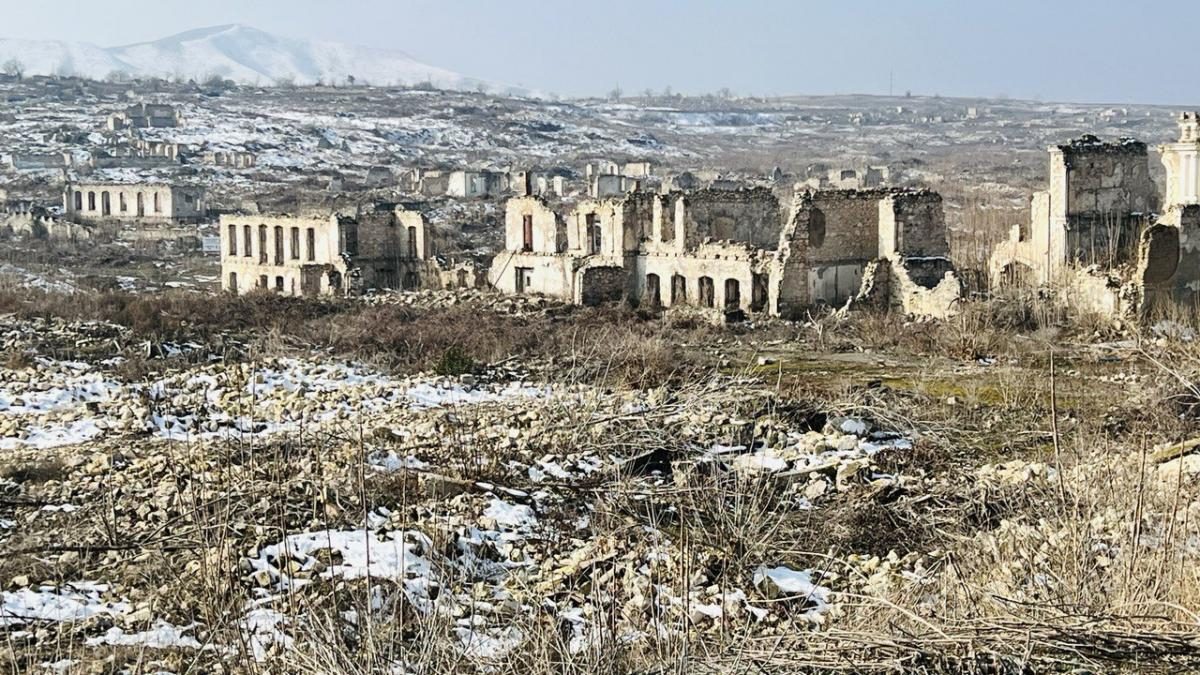
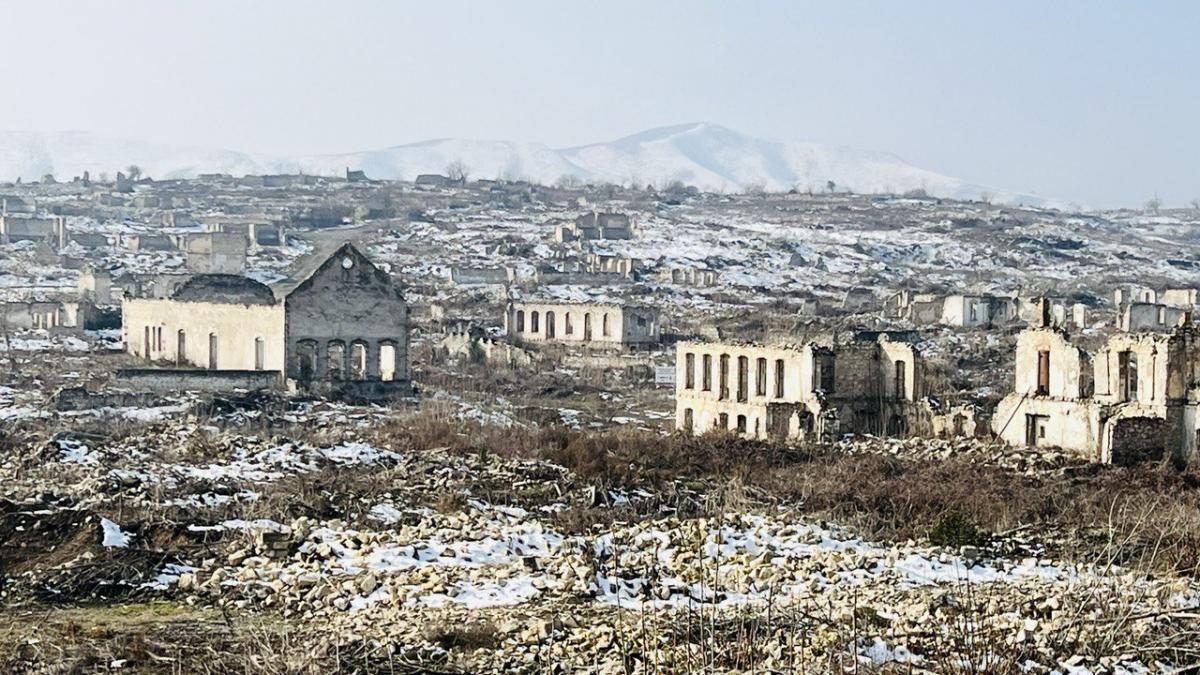
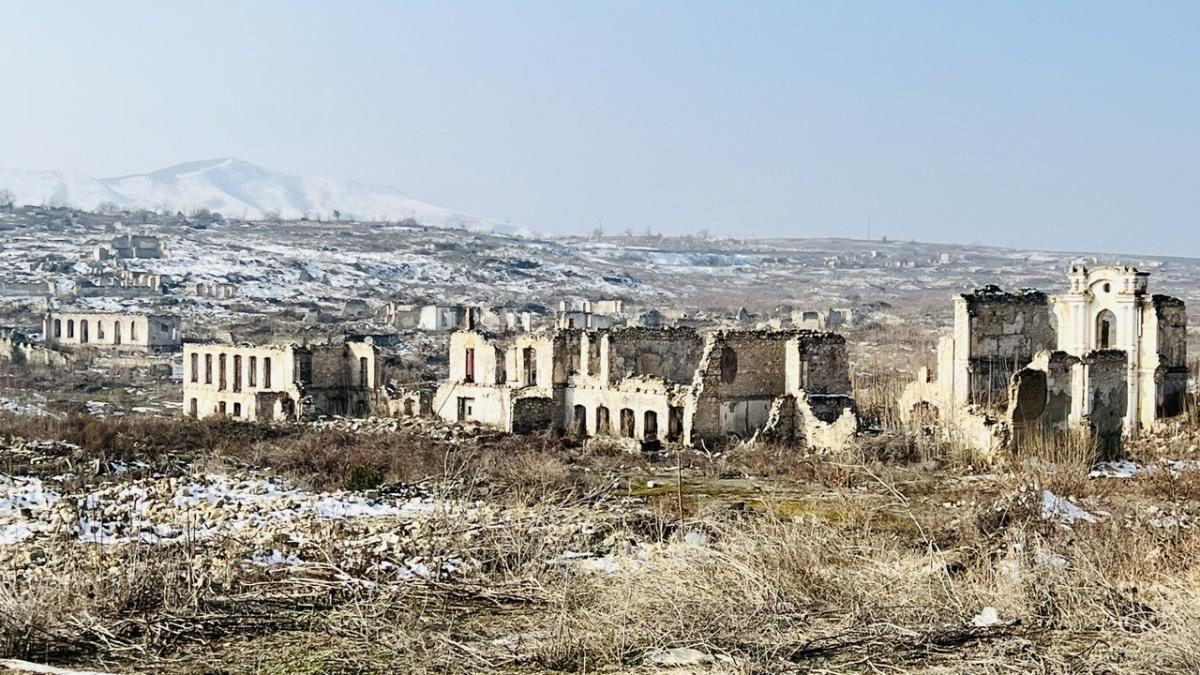
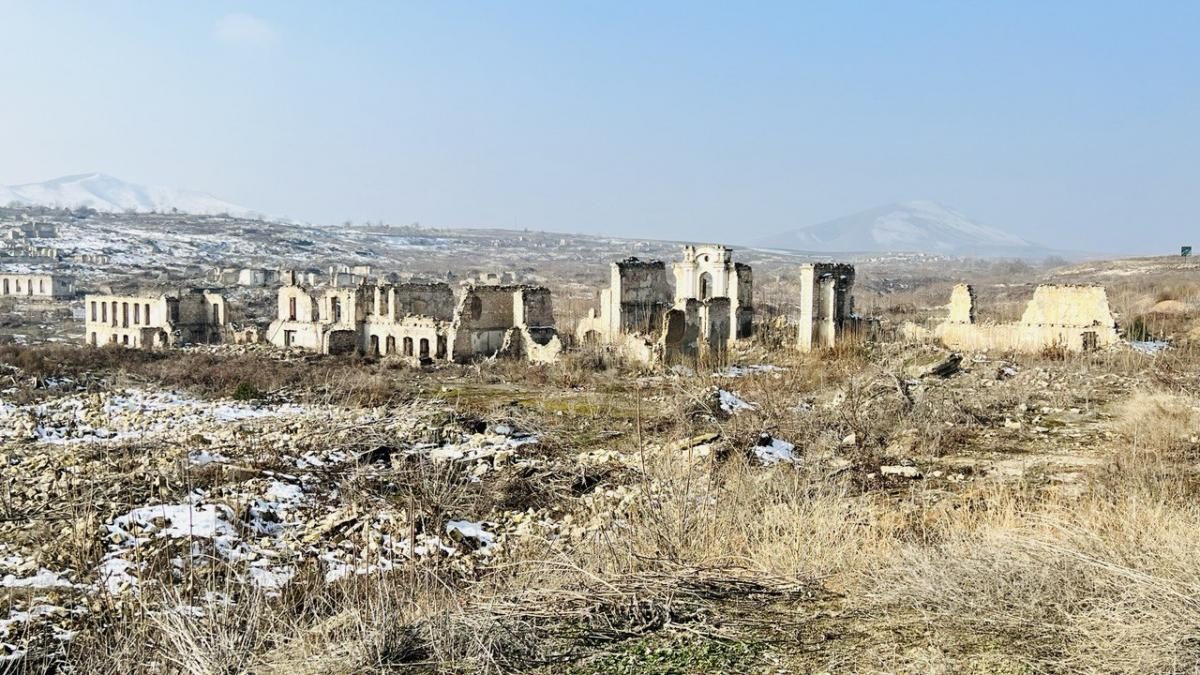
All that is left of the towns and villages in the occupied Karabakh. There were no active combat operations in the places shown in the photos, these places were looted during the peacetime
It seems sometimes that the occupiers deliberately tried to eliminate the very traces of Azerbaijani presence in these lands. The cemeteries here were destroyed with manic diligence: tombstones disappeared from them, graves were desecrated by looters, and most of the graves were dug up in the part where the head of the deceased would be.
Araz Imanov, an employee of the Office of the Special Representative of the President of Azerbaijan in Karabakh, says horrifying things, supported by photographs: “Skulls have been stolen from thousands of graves. During Soviet times, it was fashionable to use gold crowns in dentistry, so the occupiers would steal the heads of the deceased to extract these crowns. We find many discarded skulls with teeth removed.”
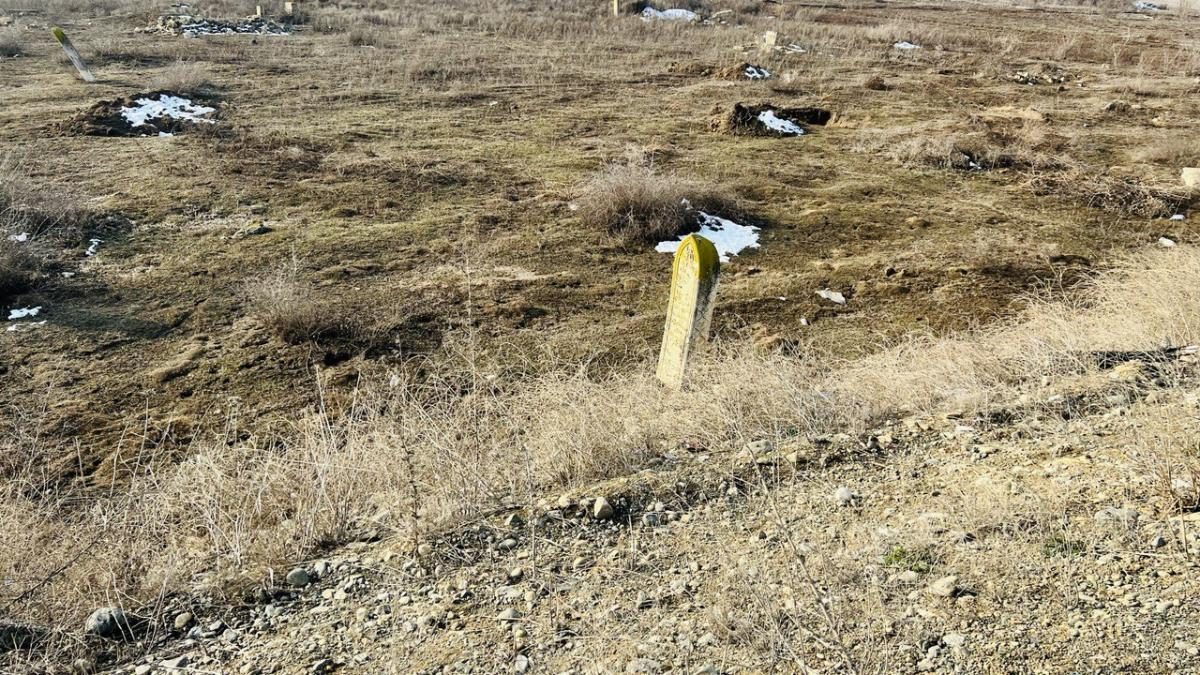
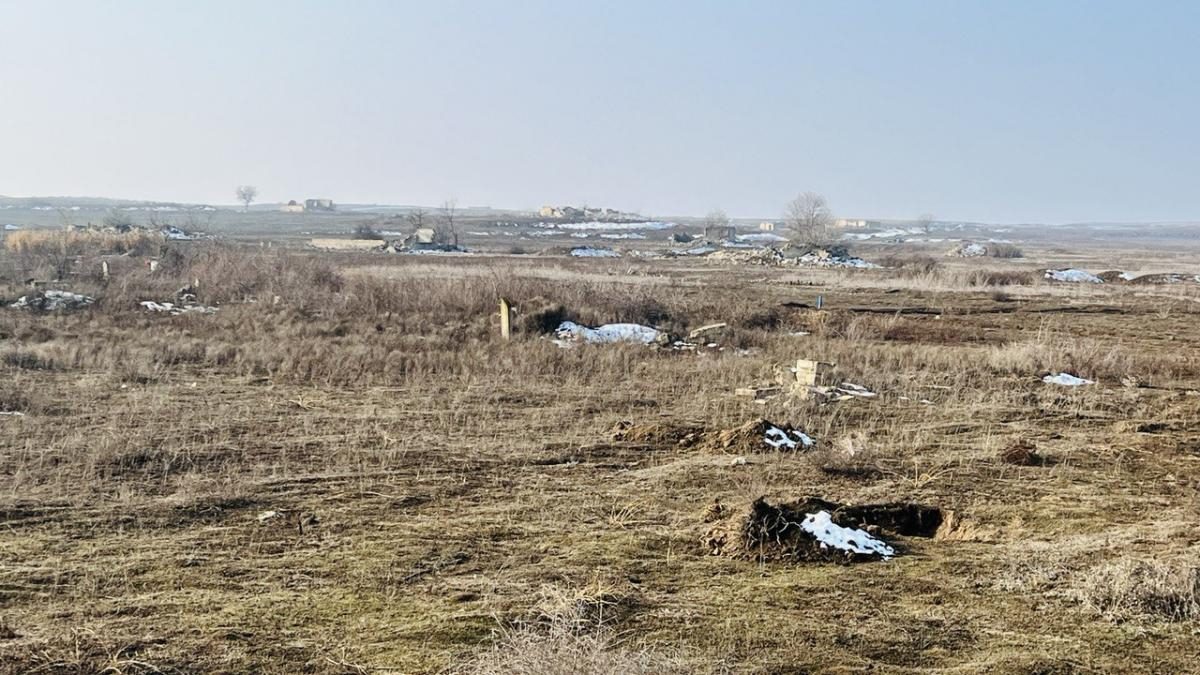
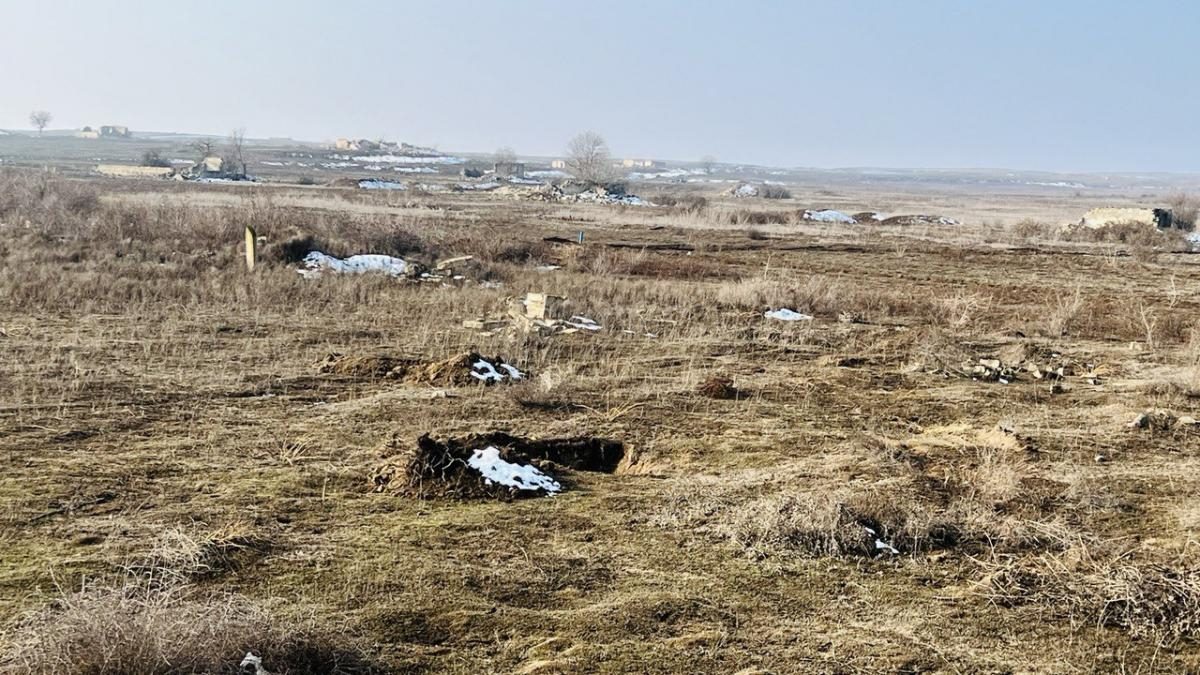
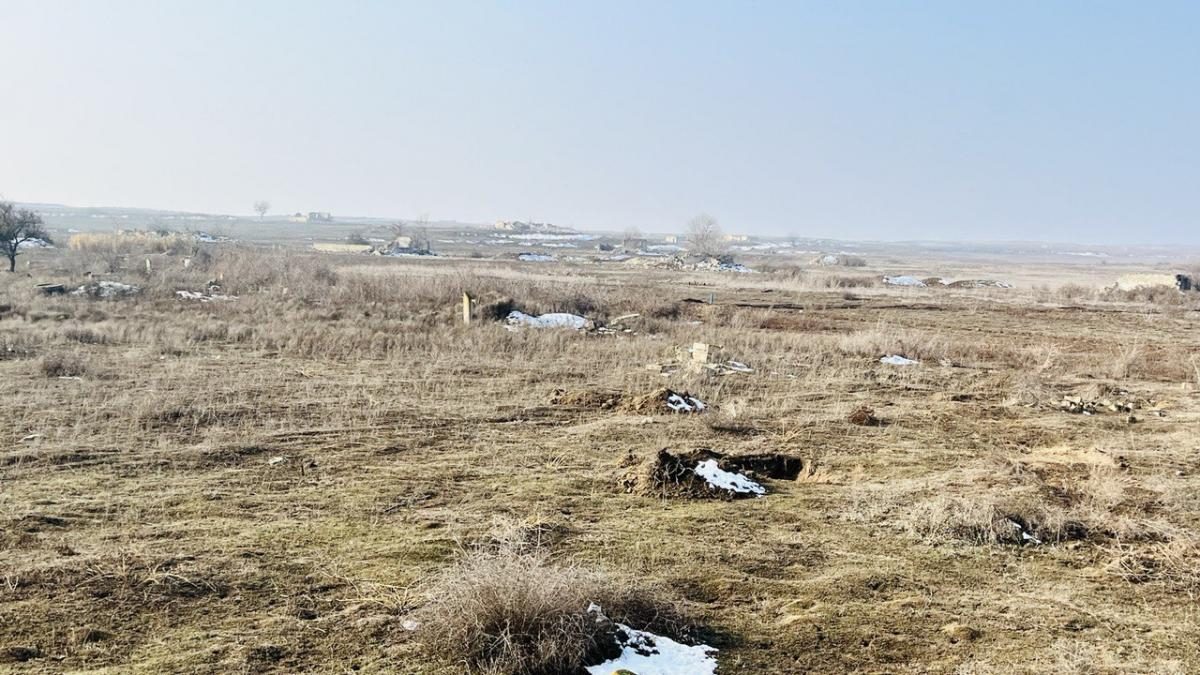
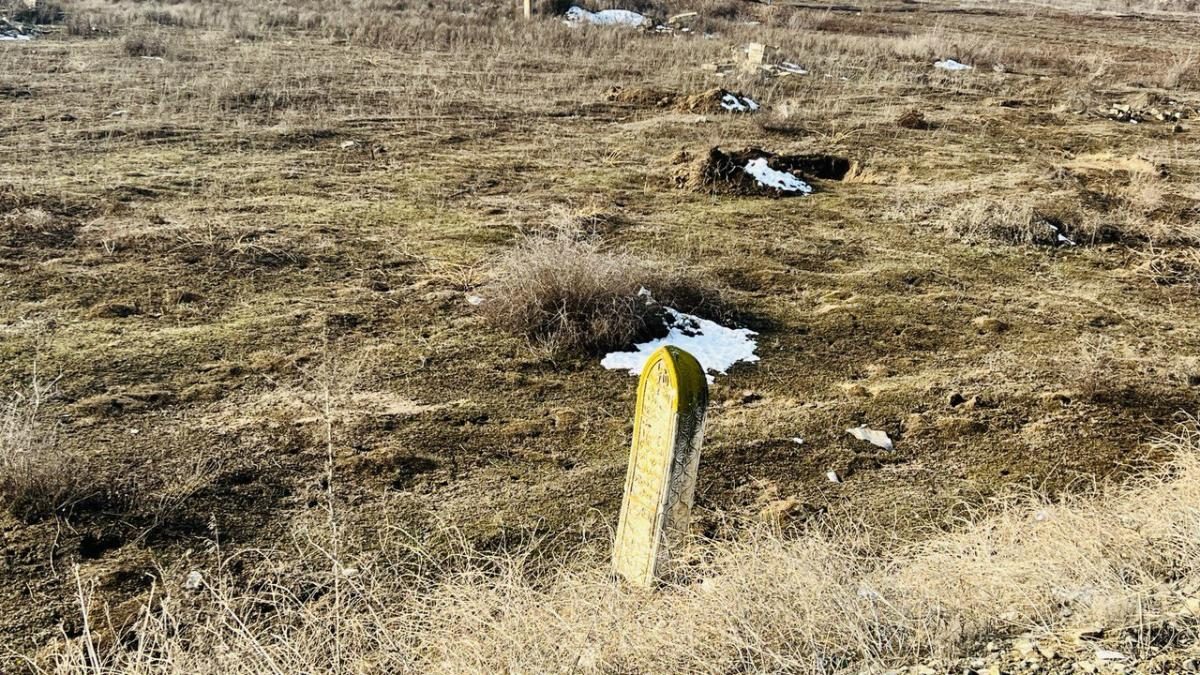
Looted Azerbaijani cemeteries. The photo shows the clear signs of digging in the graves
The occupiers had particular hatred for religious sites. Only 2 of the 69 pre-war mosques in Karabakh had survived by the time of de-occupation. Dozens of photos and videos posted on the Internet by Russian travel bloggers (Russian passport holders were among the few who could gain access to occupied Karabakh, just as they can do now, for example, in Mariupol) are the evidence of Azerbaijani mosques used as sheds for livestock.
The Armenian side claims that all the animals in these photos are wild, stray animals. However, the photos of the same mosques turned into sheds show that someone closes and opens the doors for cows and pigs. And how would those quite well-fed “stray” animals find water in the ruins in the middle of the steppe?
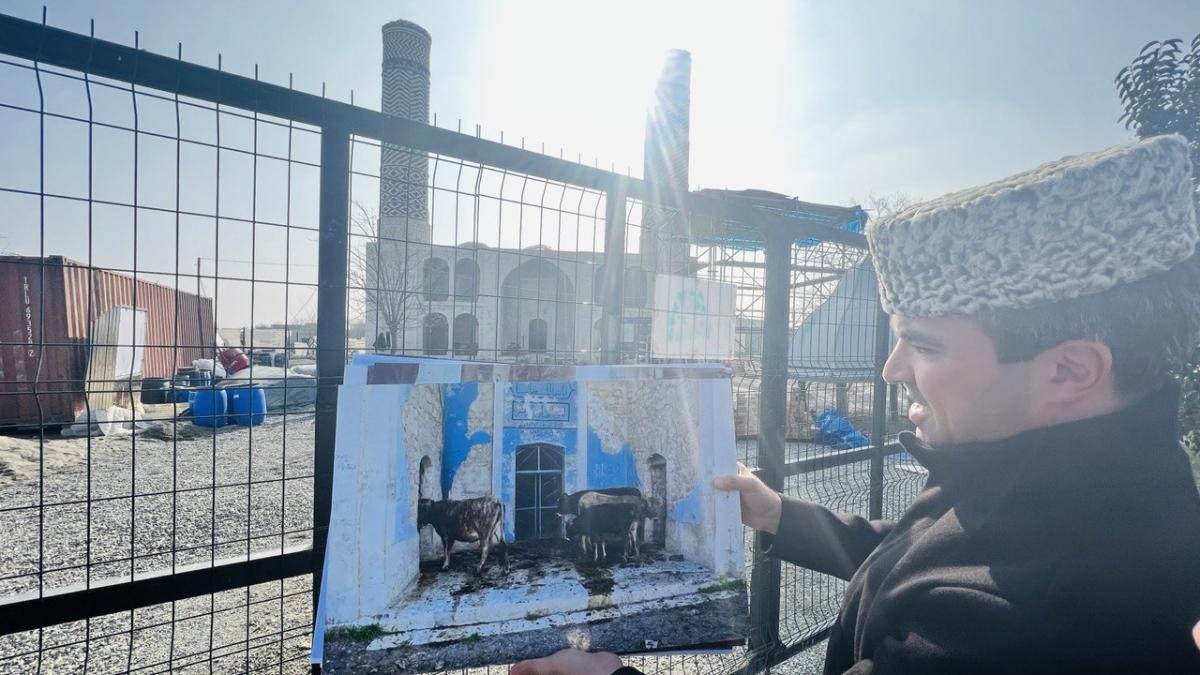
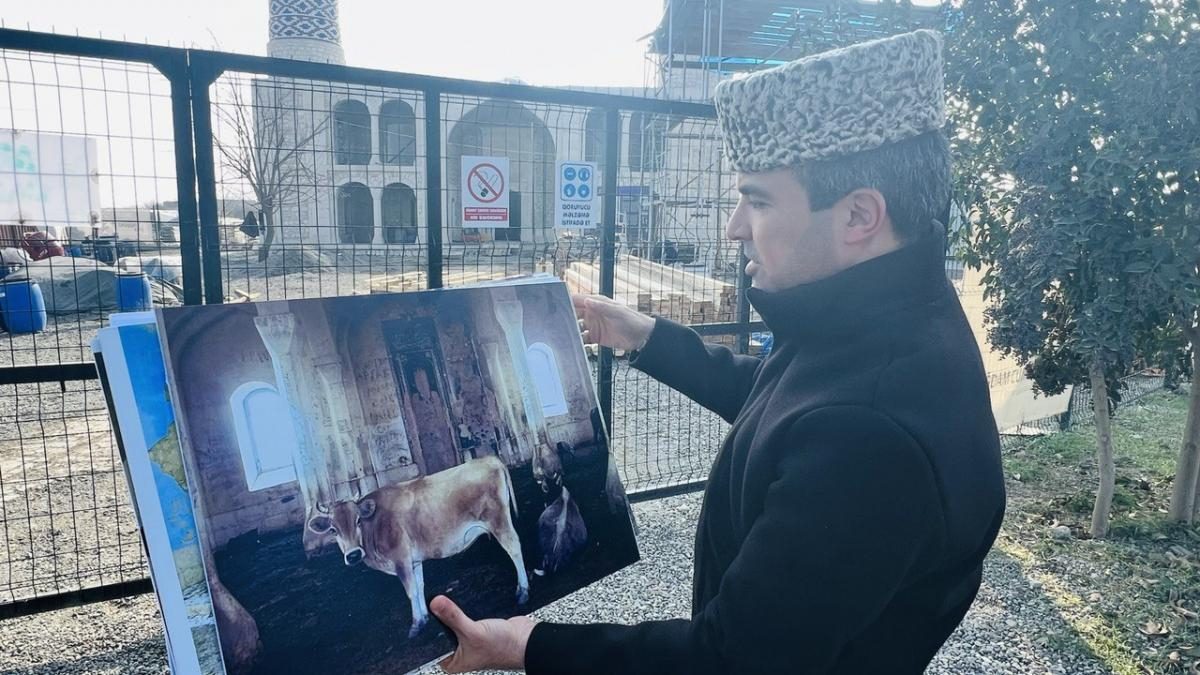
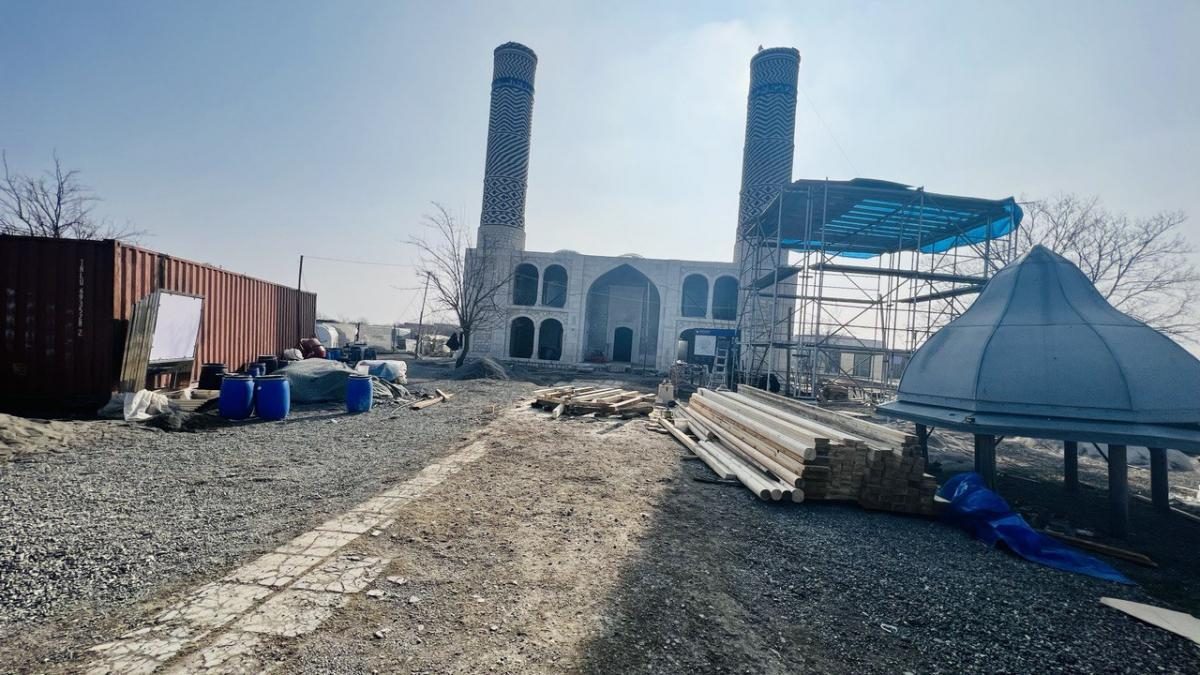
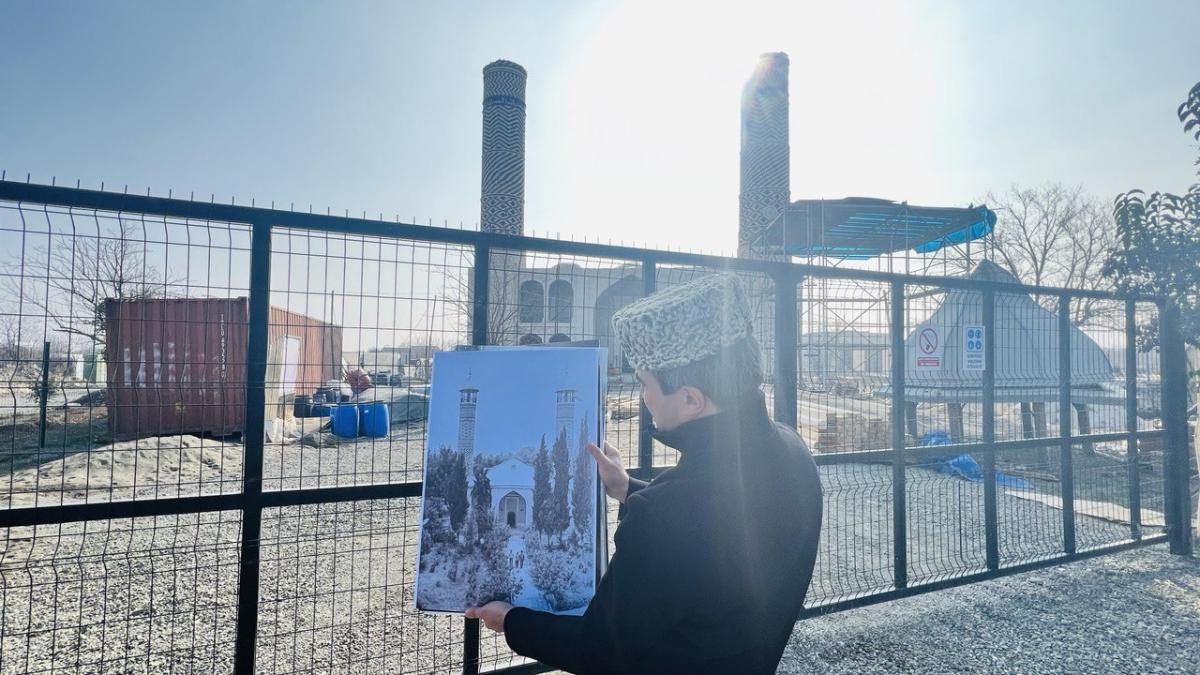
A cowshed in a mosque. One photo shows the closed door to the mosque, the other shows the animals inside it
… The Azerbaijani town of Aghdam is called the “Hiroshima of the Caucasus”. Here the locals, together with the army, offered fierce resistance to the invaders, refusing to surrender without a fight. The neighboring settlement, Khojaly, was surrounded by Russian-Armenian troops. The rabid fascists under Armenian and Russian flags blocked the delivery of humanitarian aid and the evacuation from Khojaly and, storming the town, killed everyone indiscriminately: as a result, 613 civilians were killed there in late February 1992.
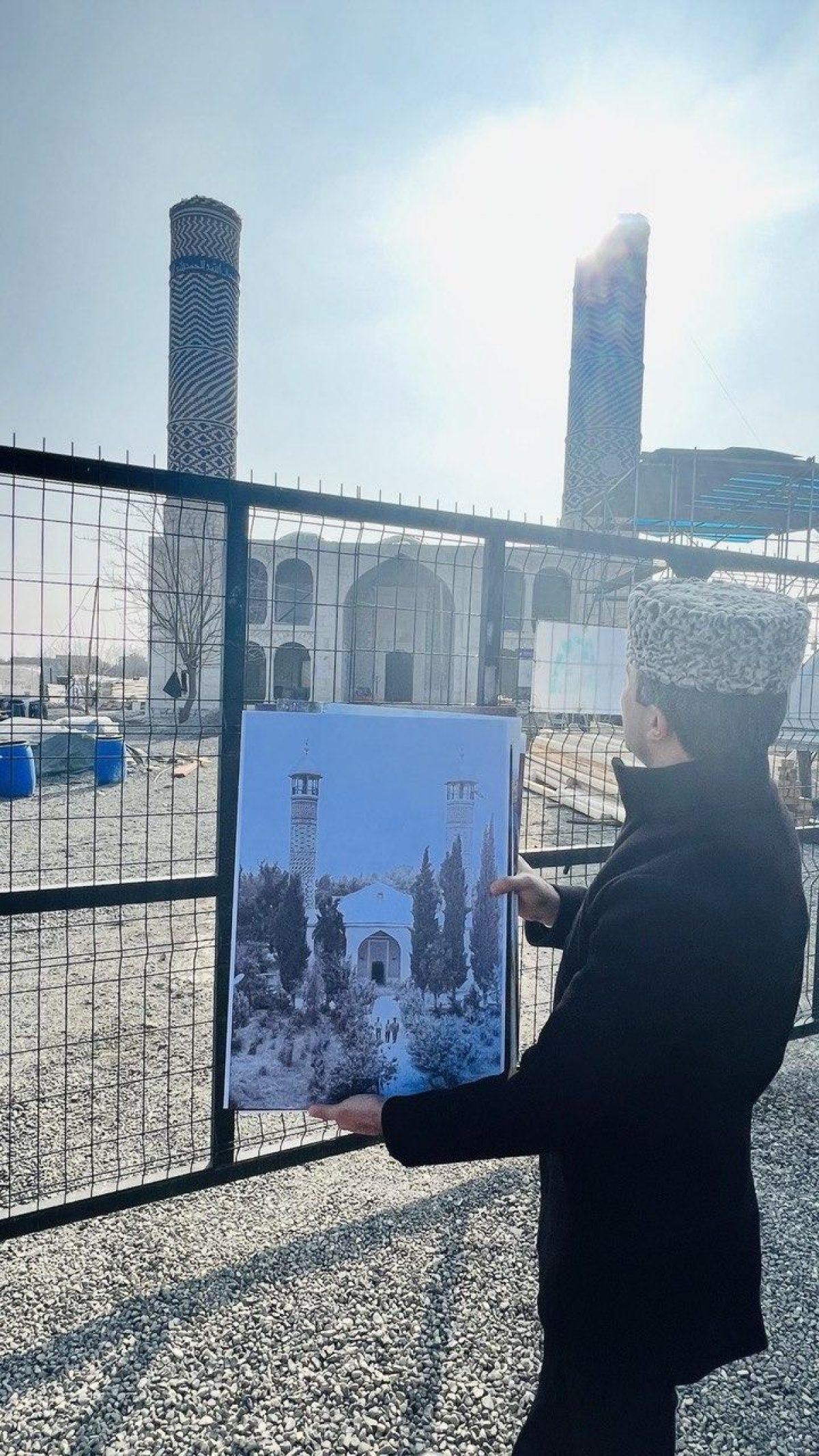
Aghdam stood to the last, like Ukrainian Mariupol or Volnovakha: the Russian-Armenian troops wiped it off the face of the earth with artillery and Grads. Only one building in Agdam survived—the central mosque with minarets, as the occupier’s gunners used it as a reference point for targeting. Only fragments of walls at best are left of the rest of the buildings.
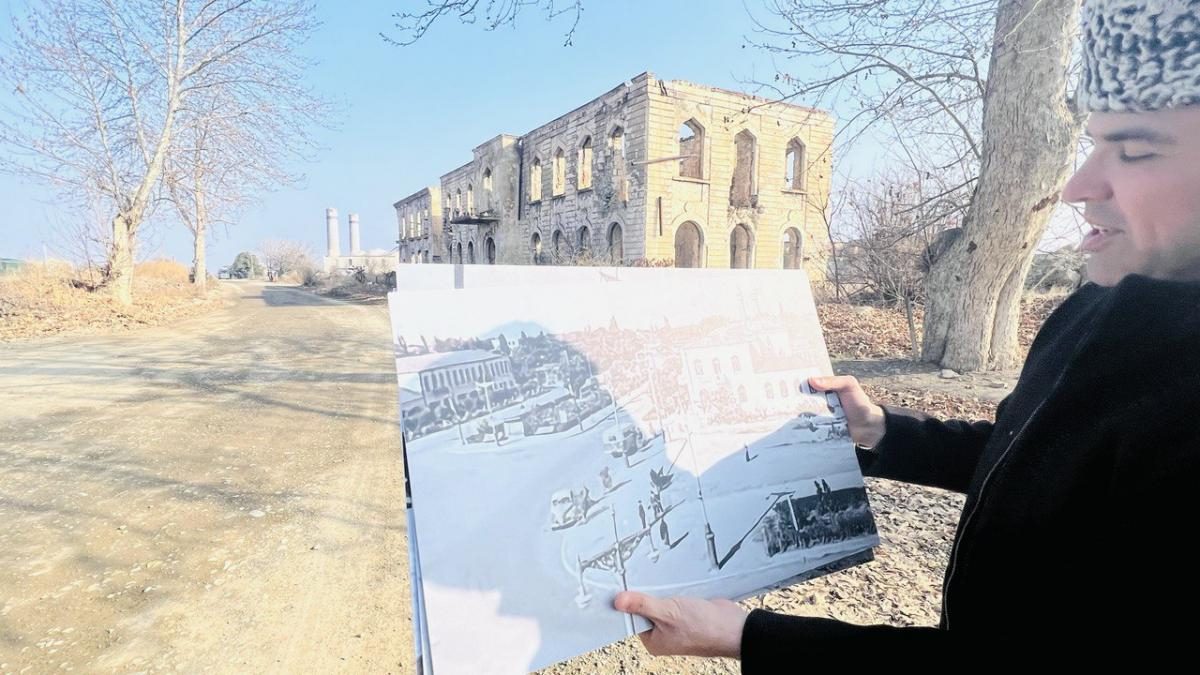
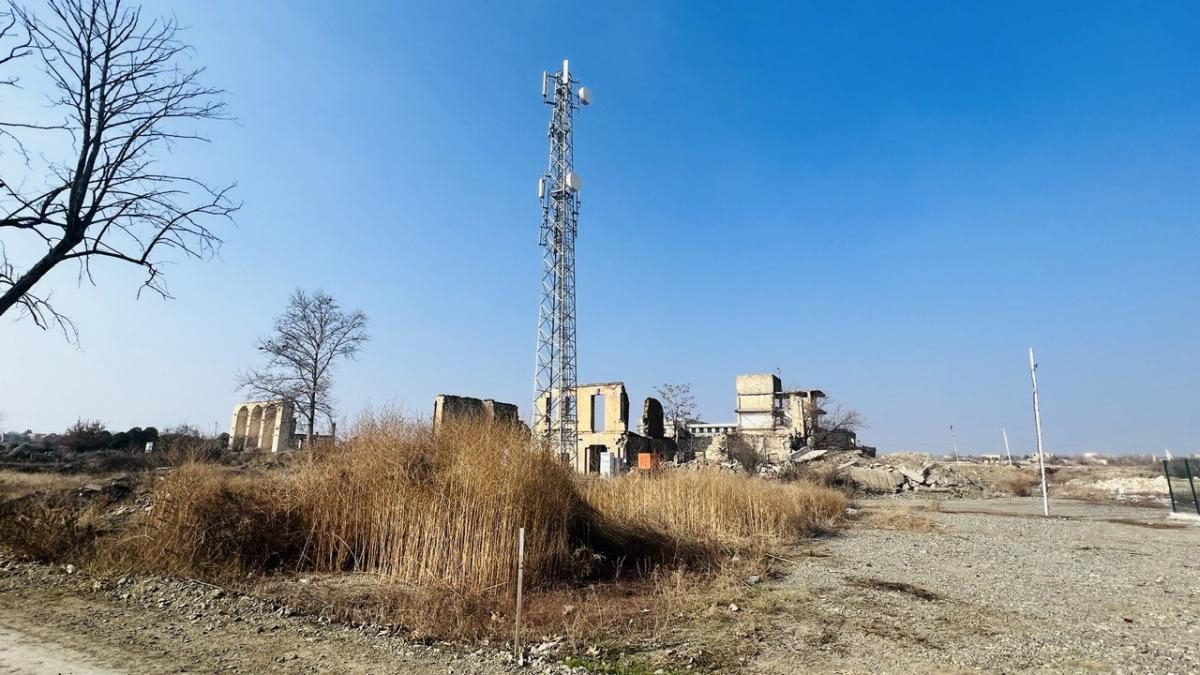
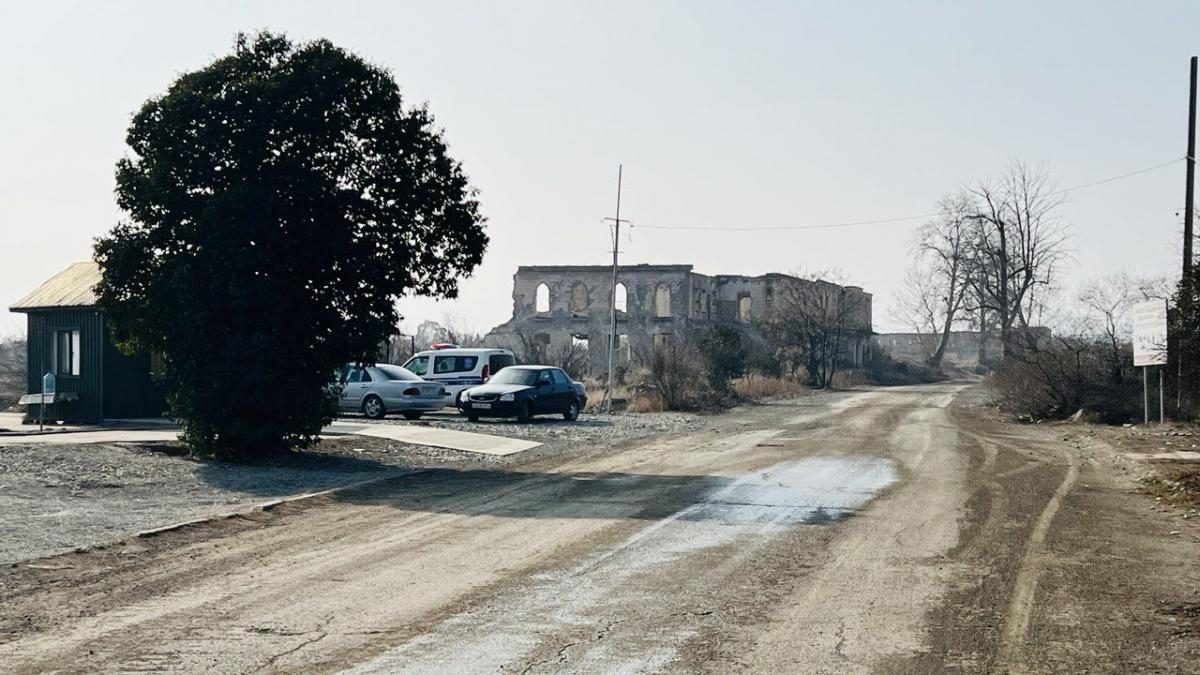
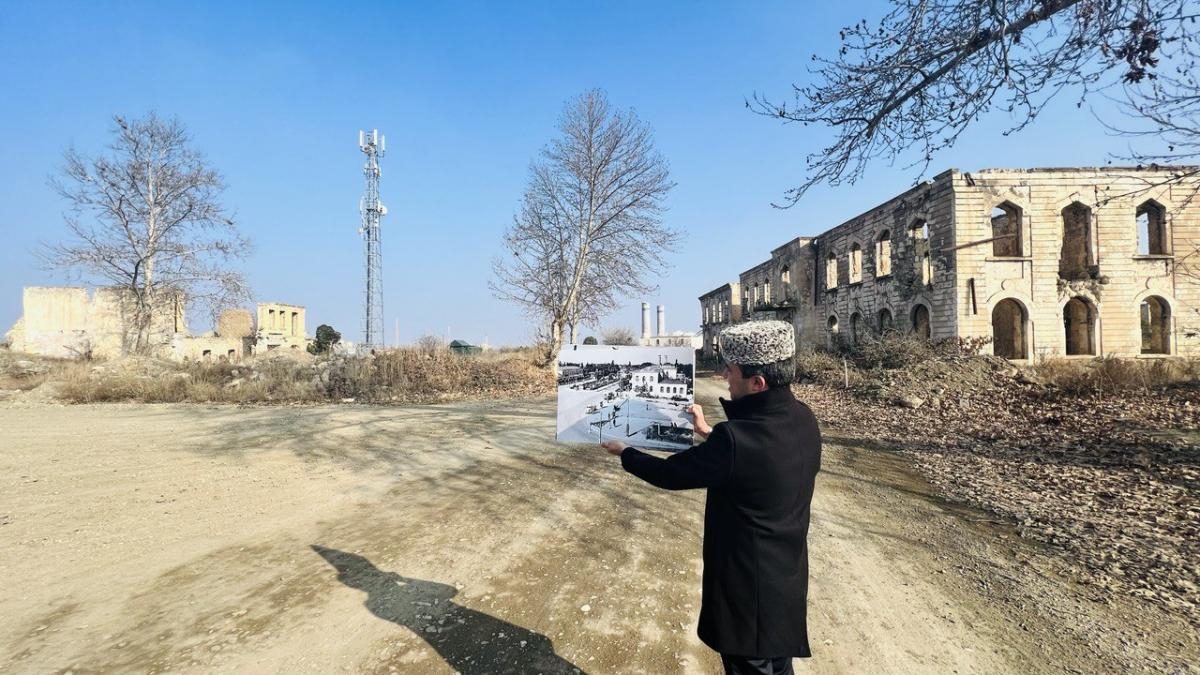
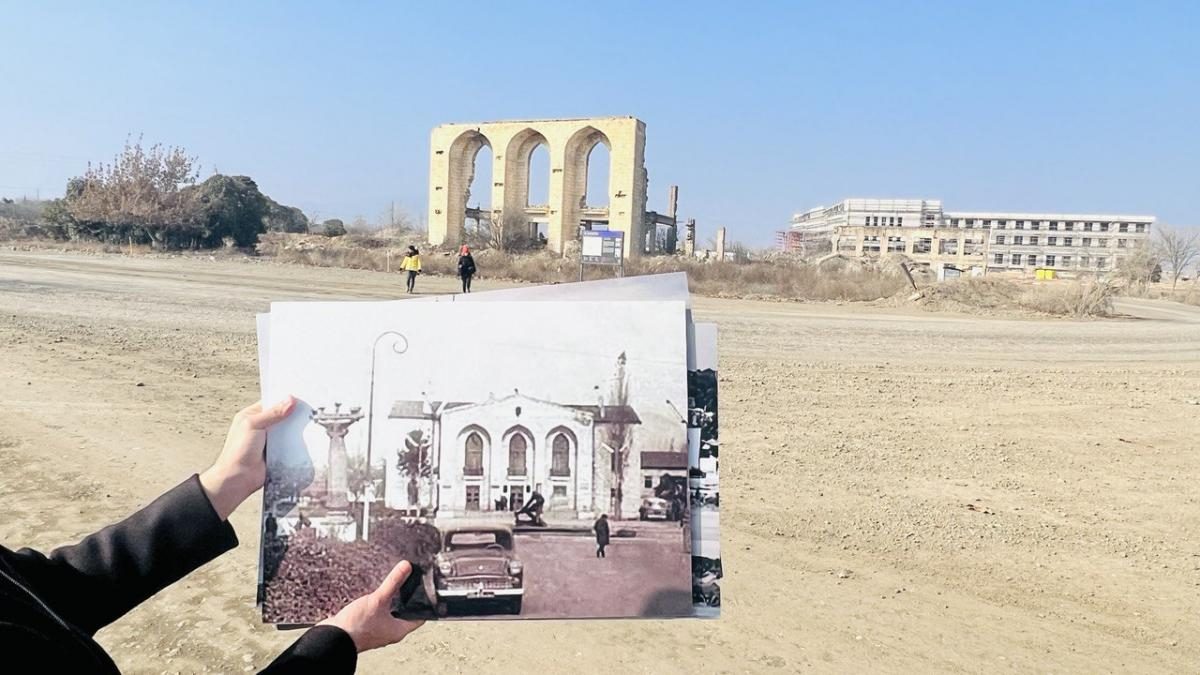
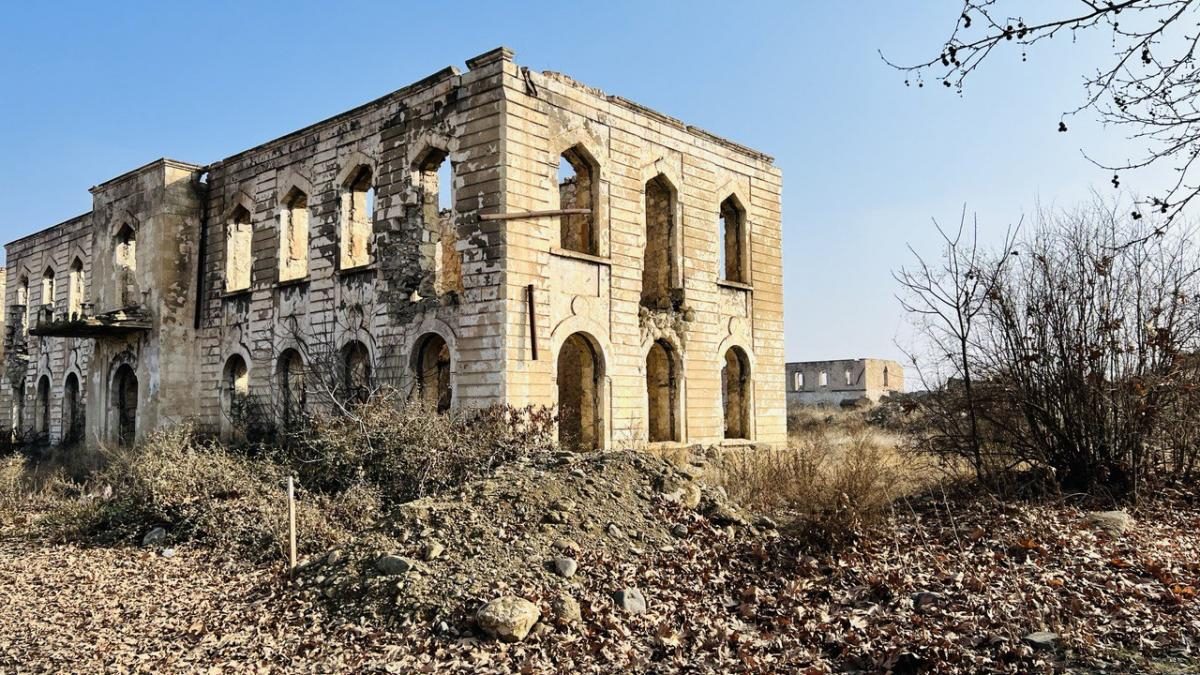
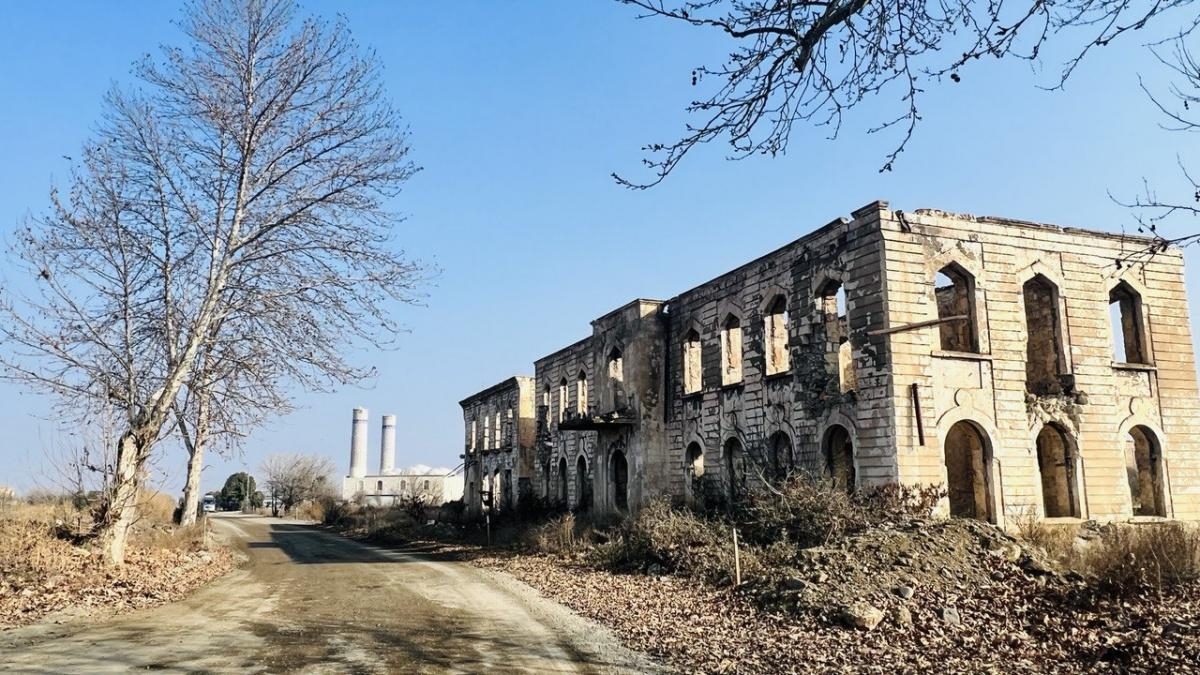
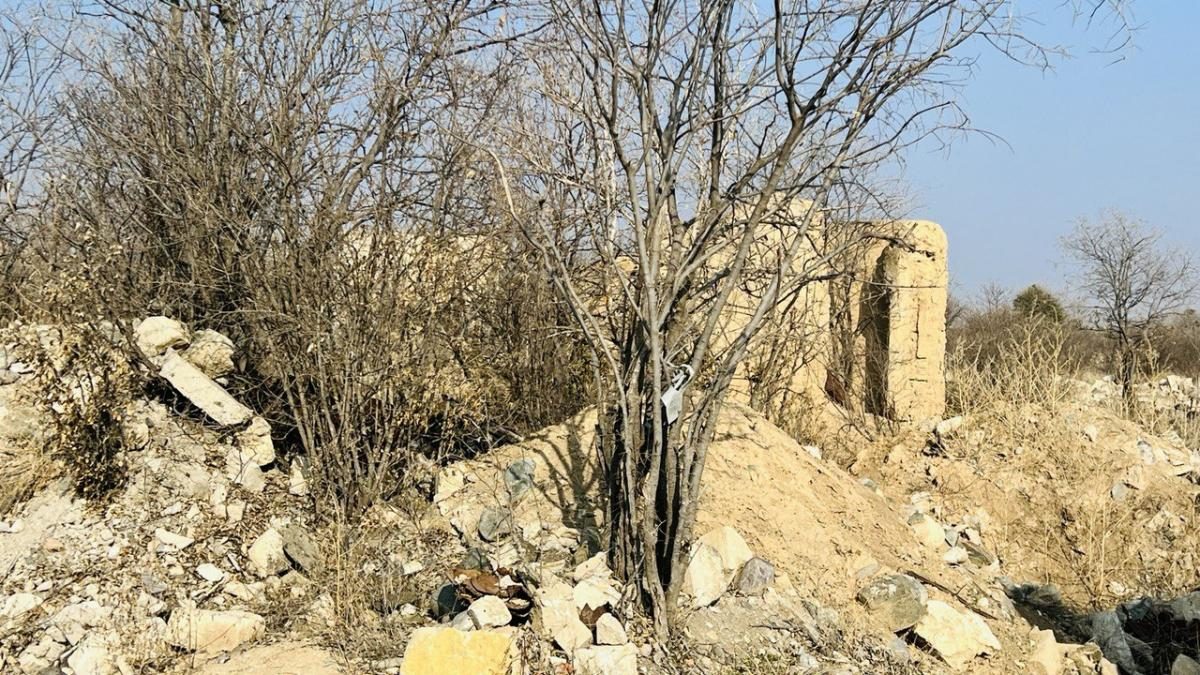
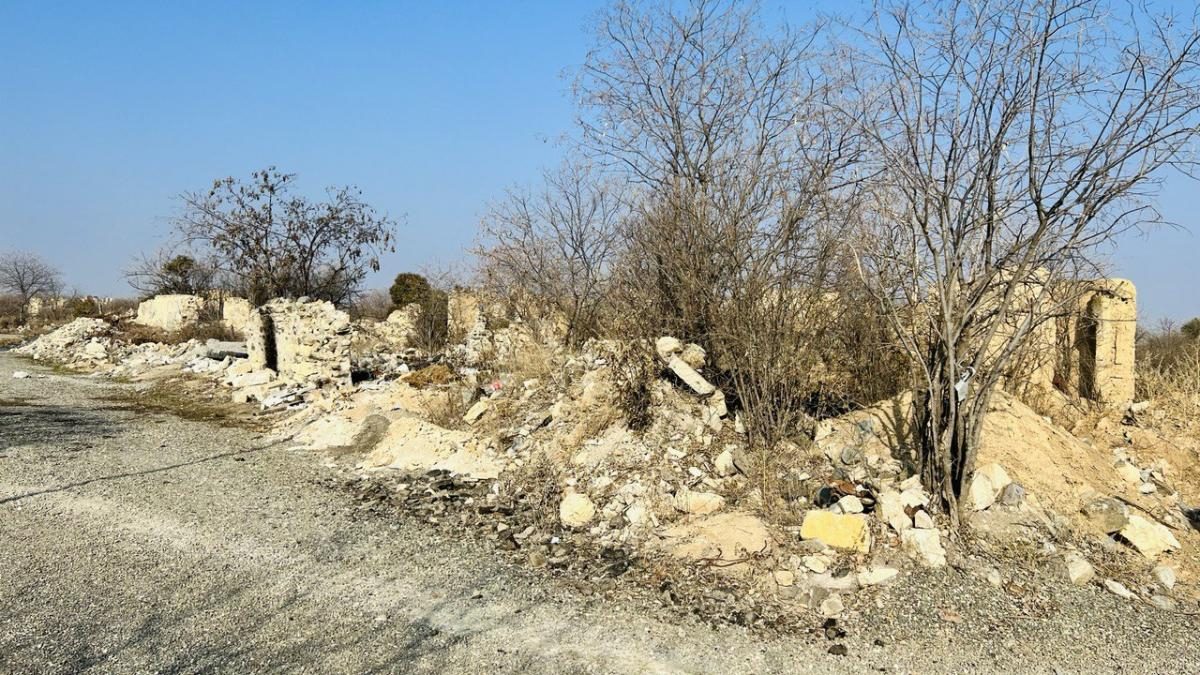
This was once the flourishing city of Agdam, razed to the ground by the occupiers.
Aghdam was a sacred point for the Armenian occupiers, who tried desperately to capture it because Yerevan and Soviet-Russian propaganda claimed that it was in the area around Aghdam where the ancient capital of an Armenian state, Tigranakert, was allegedly located more than two thousand years ago. After the capture of Aghdam, Armenian archaeologists made great efforts to search for any trace of Armenian civilization in this region. Finding nothing, they “designated” the Azerbaijani fortress of the 18th century as the “ruins” of Tigranakert and lost any interest in Aghdam and its surroundings. As a result, the whole region was gradually erased from the world map.
It is worth mentioning here that those who may try to search the Internet for information about Tigranakert are in for a surprise: it turns out that at least four of them “existed” in the world. Either the mythical ancient rulers lacked imagination for naming, or various chronicles and manuscripts were hastily falsified by not too creative propagandist historians, but the ancient Roman chroniclers mention only one Tigranakert (which gives at least some reason to believe in its existence), and it was located in the south-east of present-day Turkey, near the modern city of Silvan.
Revival
Azerbaijanis are trying to bring life back to their native Karabakh lands. They are striving to rebuild towns and villages in the places where their ancestors’ homes used to be. The piles of rubble left of the walls of old buildings are not allowed to be taken outside the settlements being restored: they are used as building materials in the new construction as much as possible. This is how Azerbaijanis want to build a bridge between the past and the future, to keep the link between the Old Karabakh, destroyed by the occupiers, and the New Karabakh, where life is slowly but steadily coming back.
Ukraine should also consider this philosophy of revival. Of course, it will not be appropriate everywhere, but its elements, providing a link between BEFORE and AFTER the war, are important, among other things, in order not to forget about the war itself and who unleashed it.
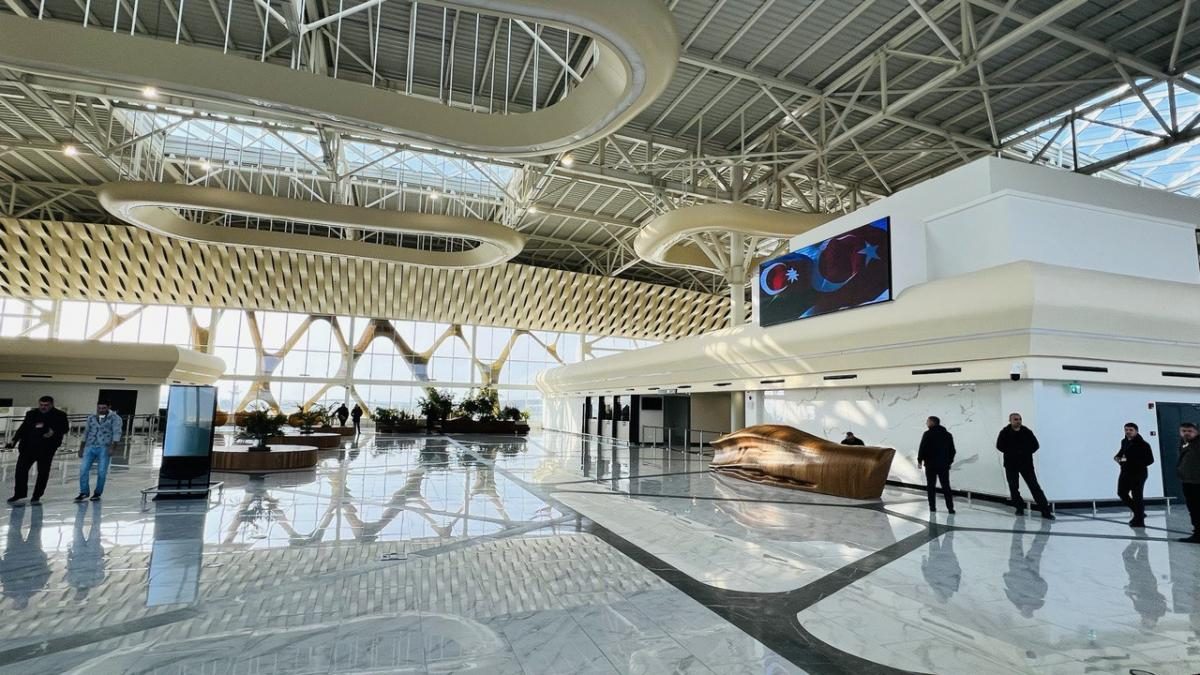
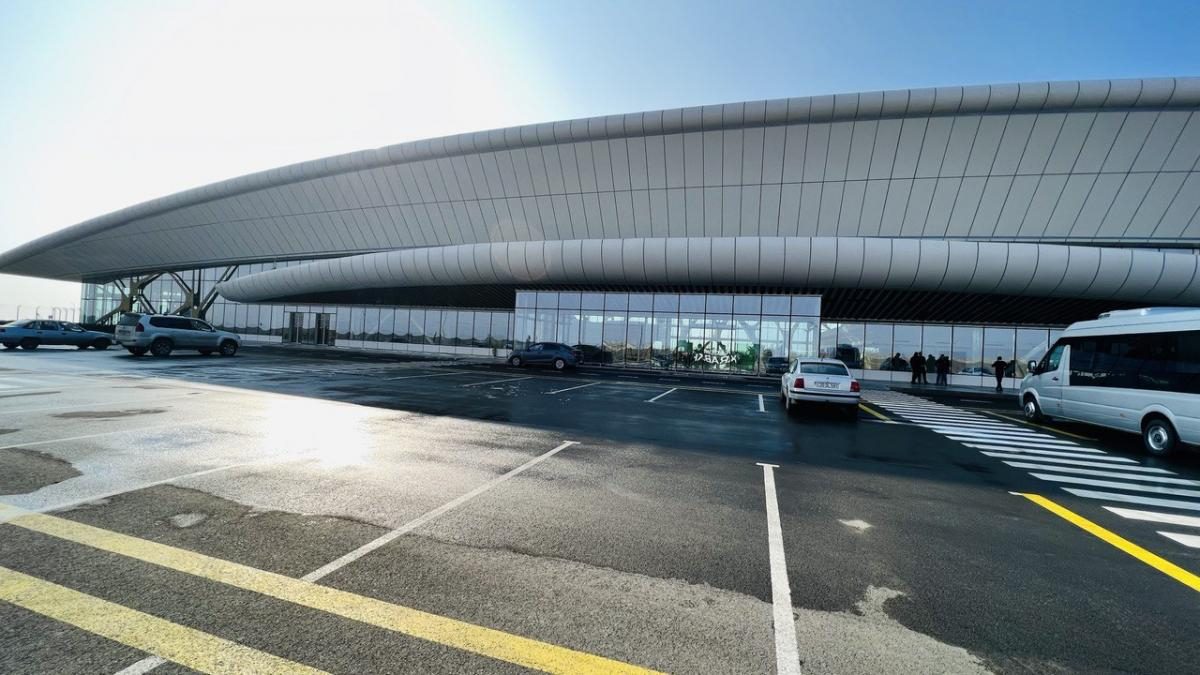
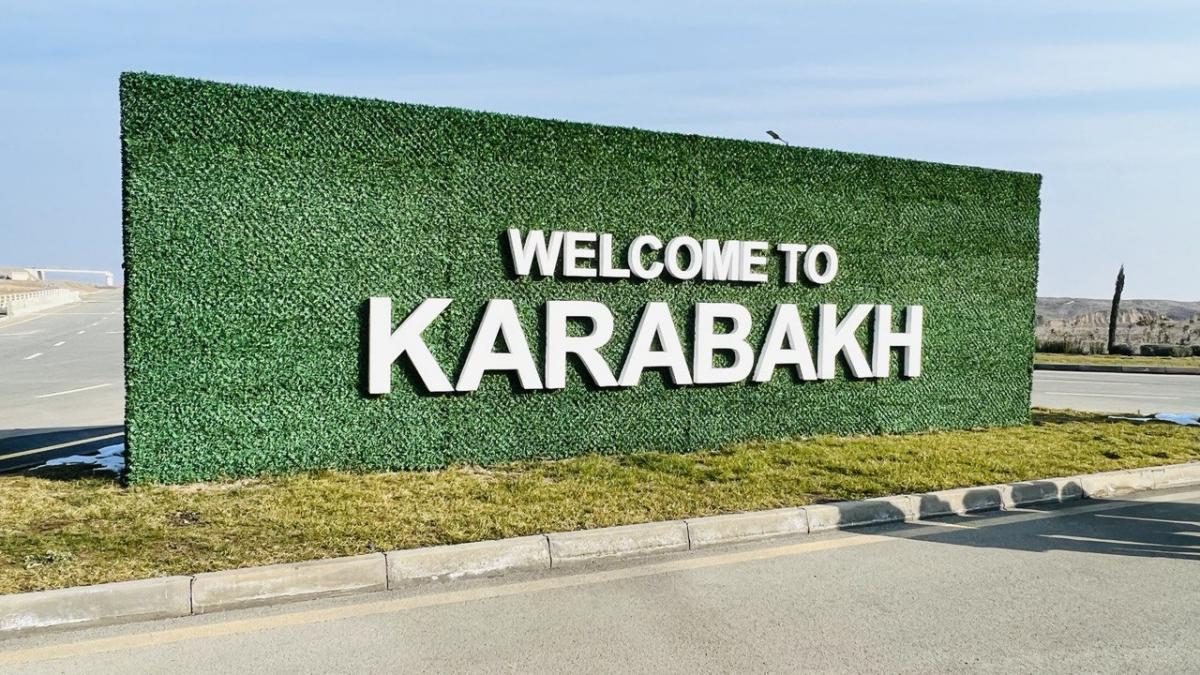

The first focus of efforts is infrastructure. Without roads, no one can come home. With this in mind, immediately after the de-occupation of Karabakh, the Azerbaijanis began to demine and restore hundreds of kilometers of highways and railway tracks. Excellent cell phone service was established along the roads throughout the entire liberated territory. Two international airports have already been built in the liberated territory and several more are under construction.
With the roads available, Azerbaijanis first go to visit the graves of their family members. Where graves can be identified, cemeteries and individual graves are carefully restored.
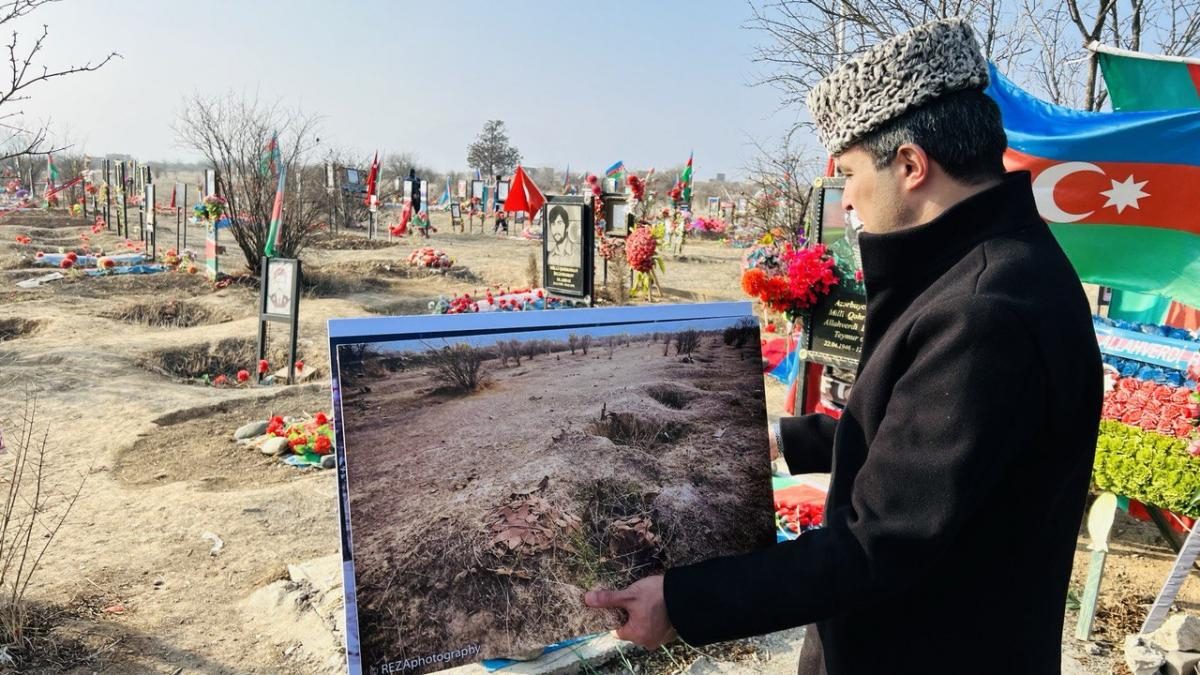
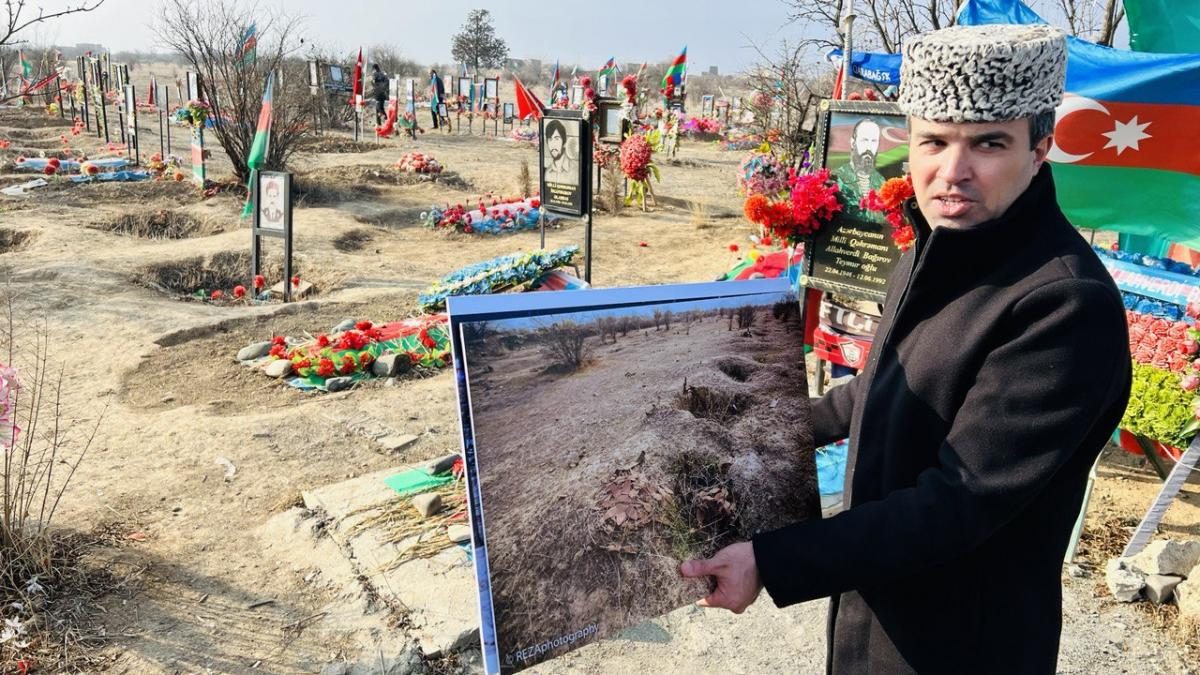
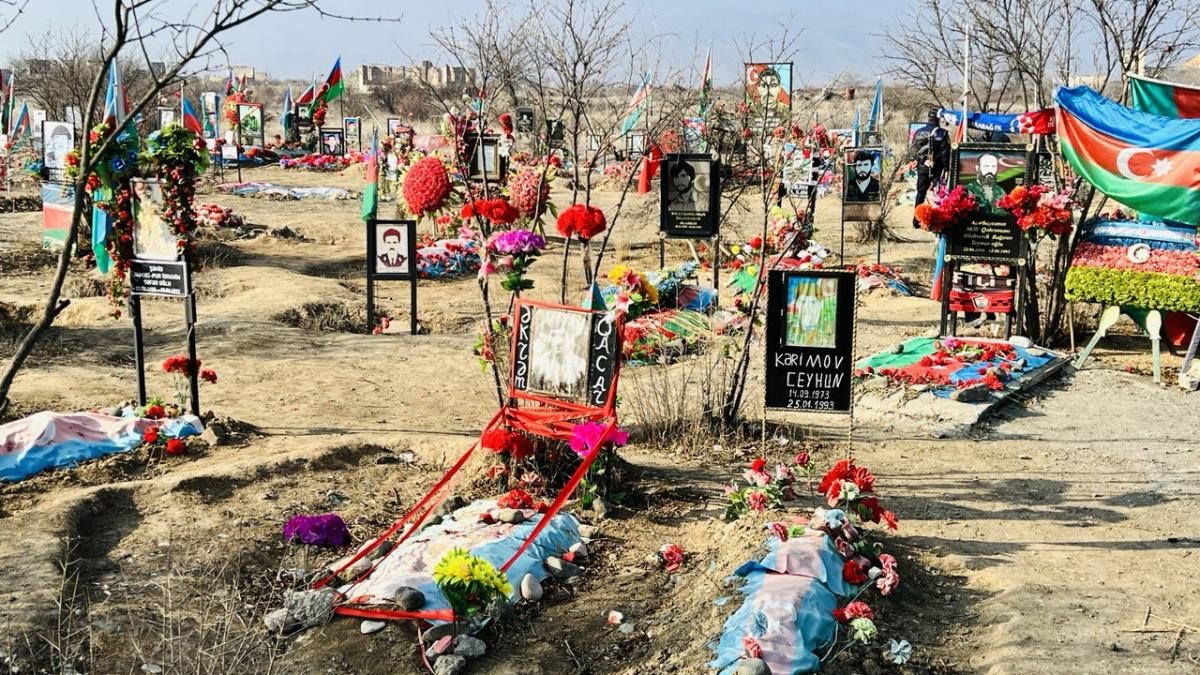
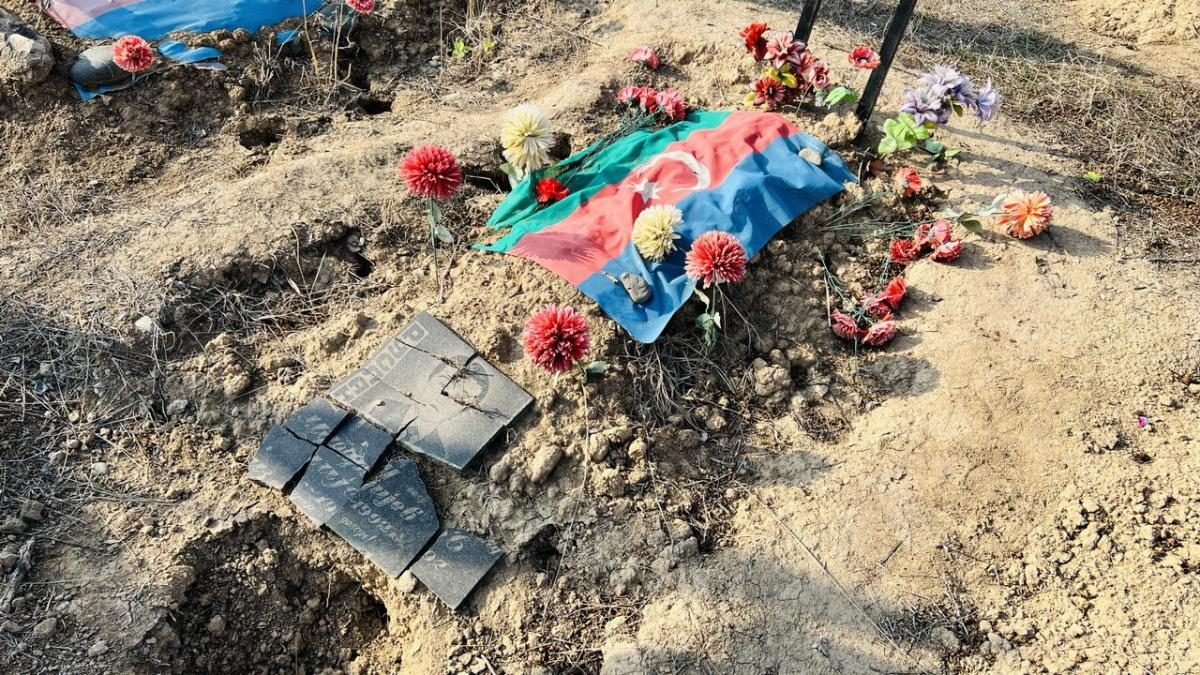
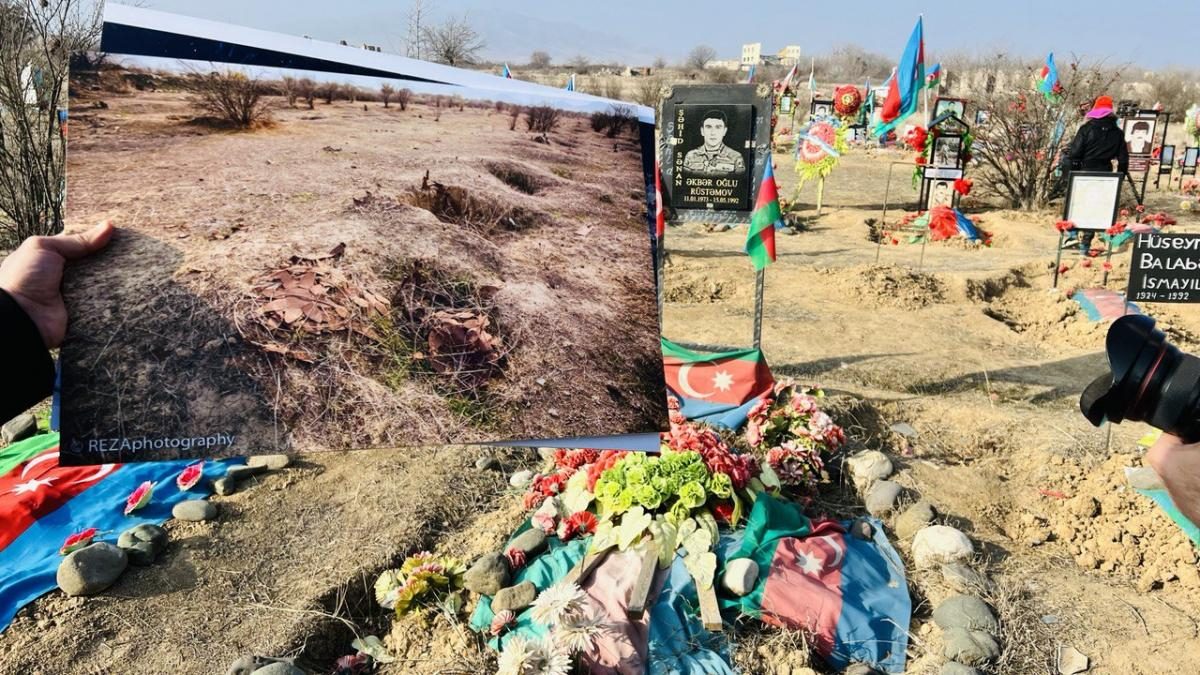
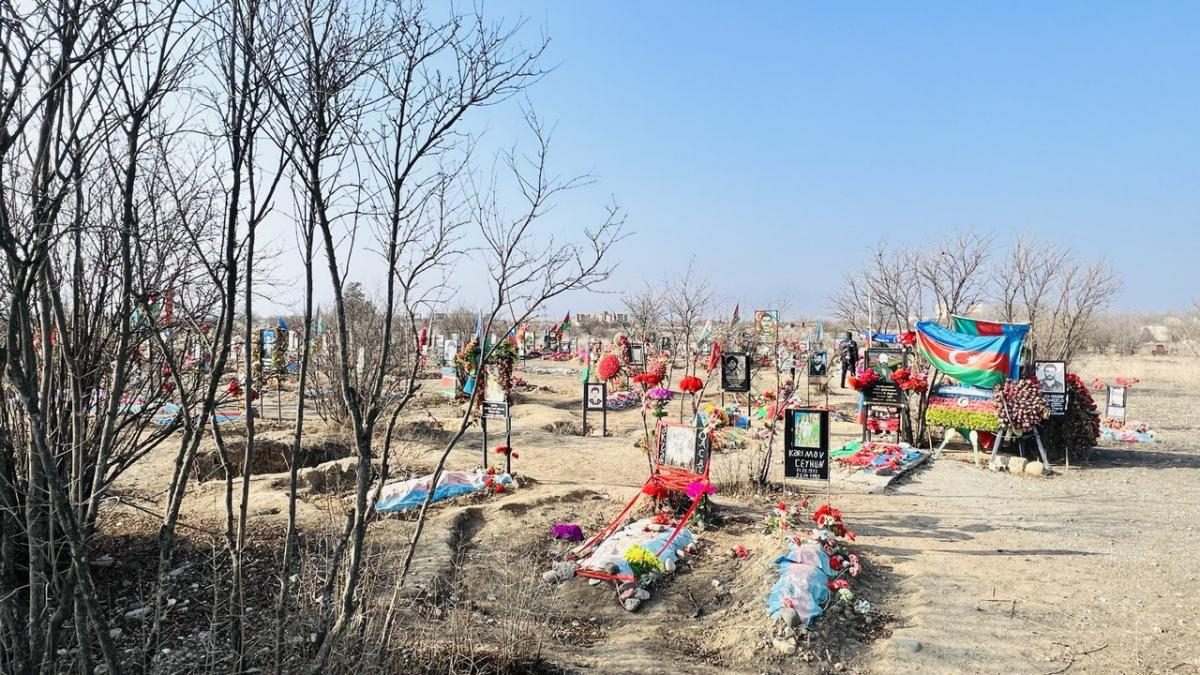
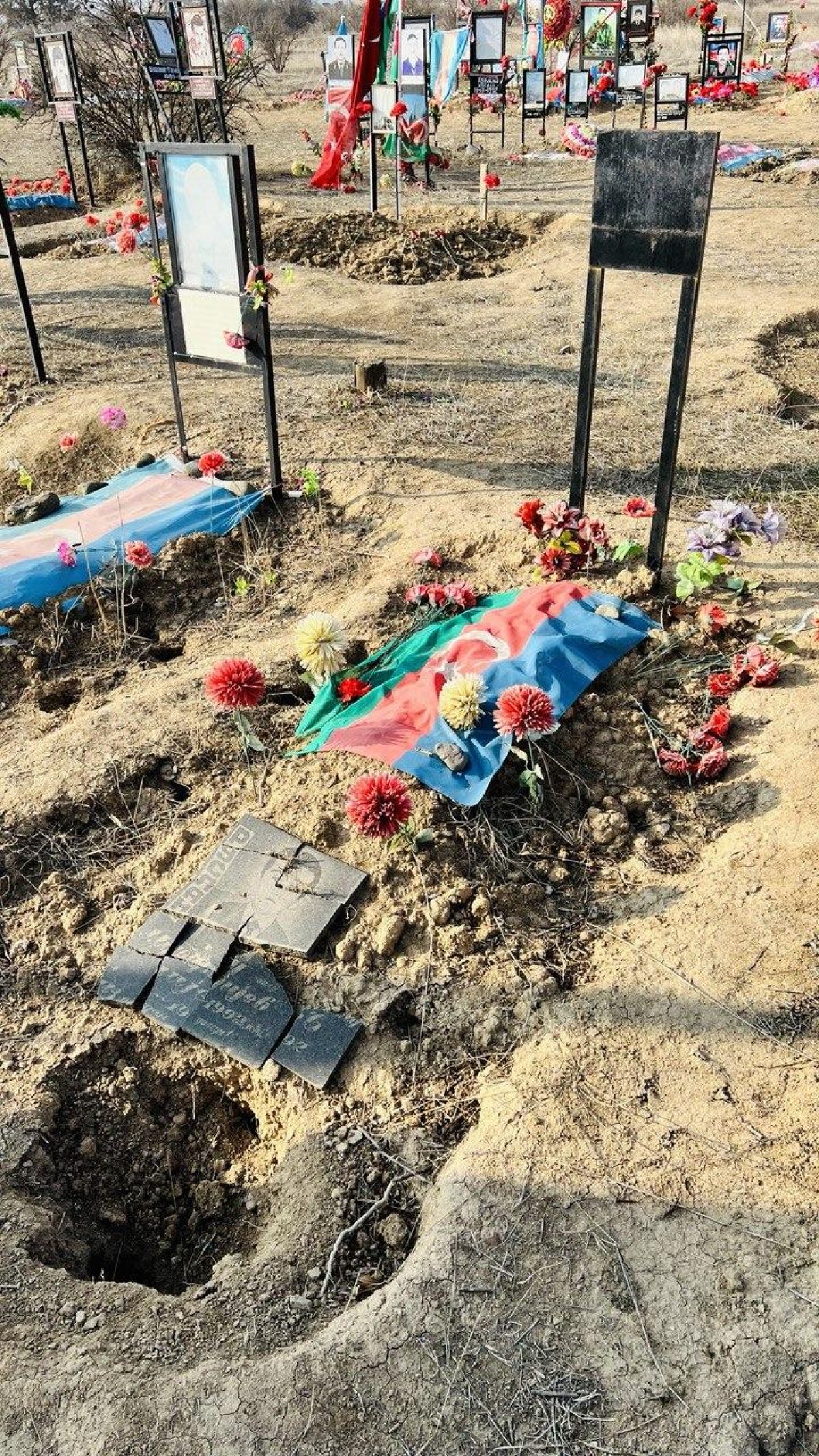
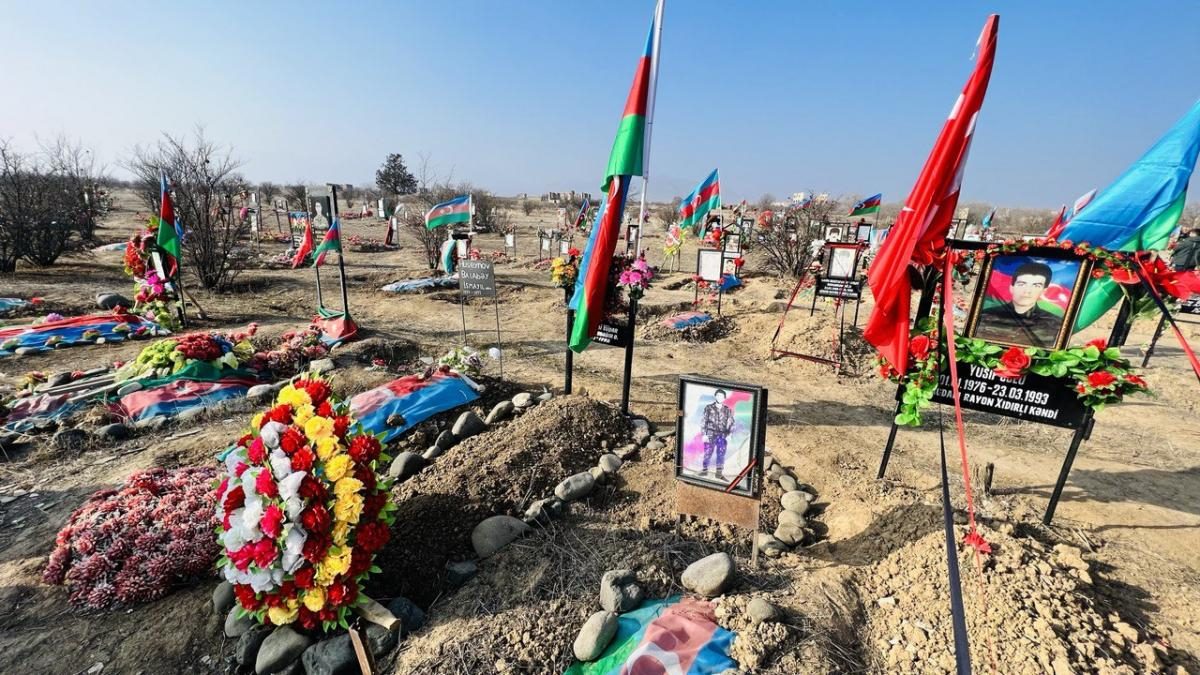
This was once the village of Merdinli. Thirty years later, people can once again pay their respects to their family members in the local cemetery
The final stage in the restoration of the region is the building of villages and the restoration of towns. Azerbaijanis, in a way, are following the Ukrainian model of enlargement: where there used to be two or three villages, they are building one, but larger, with all the necessary facilities. There is a well-equipped medical center, a dental office, beauty salons, stores, pharmacies, bank branches, a post office, restaurants and cafes. In short, all the elements of comfortable life that often drive villagers to move to cities.
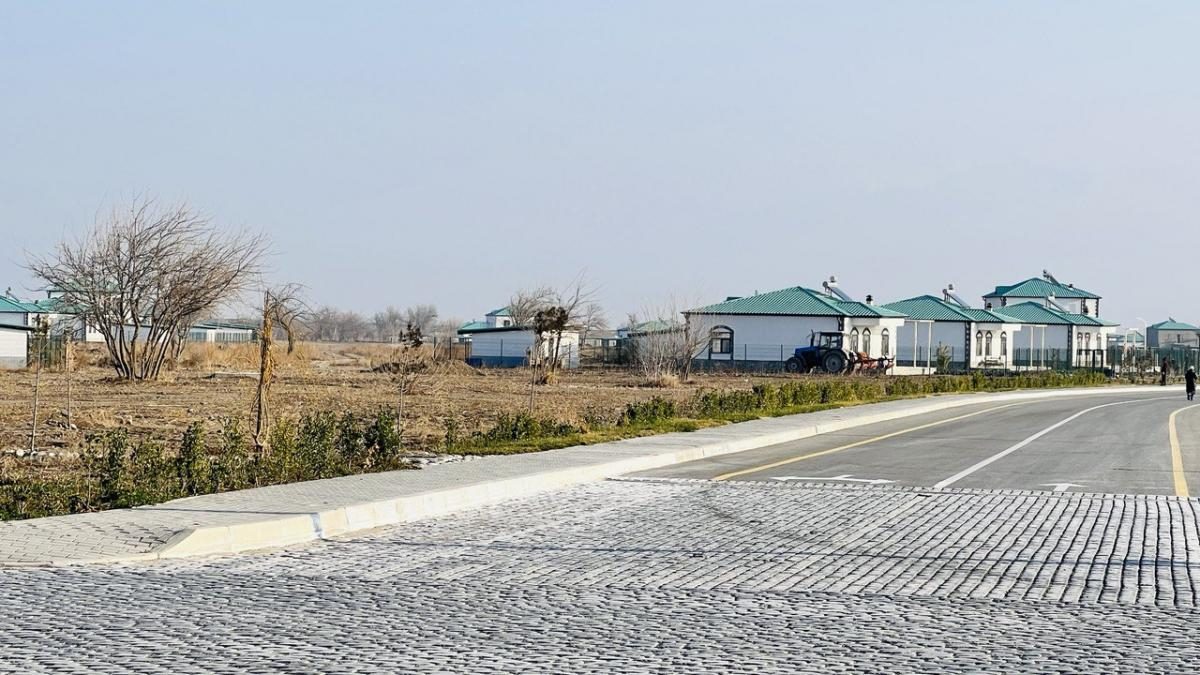
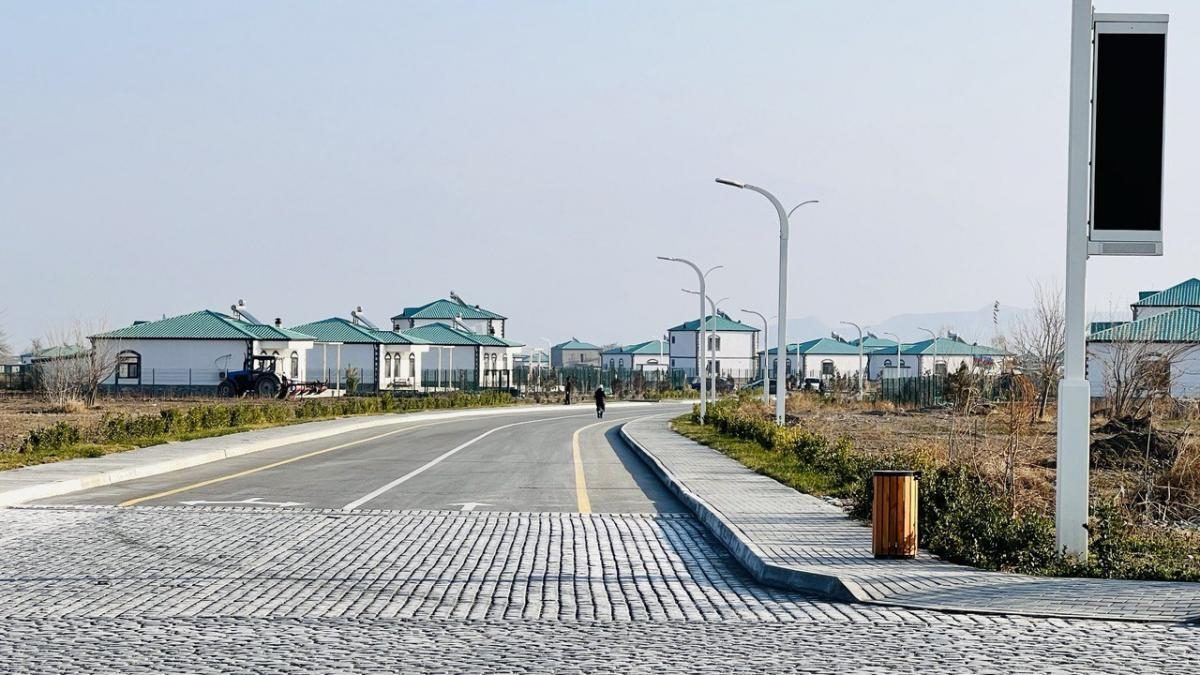
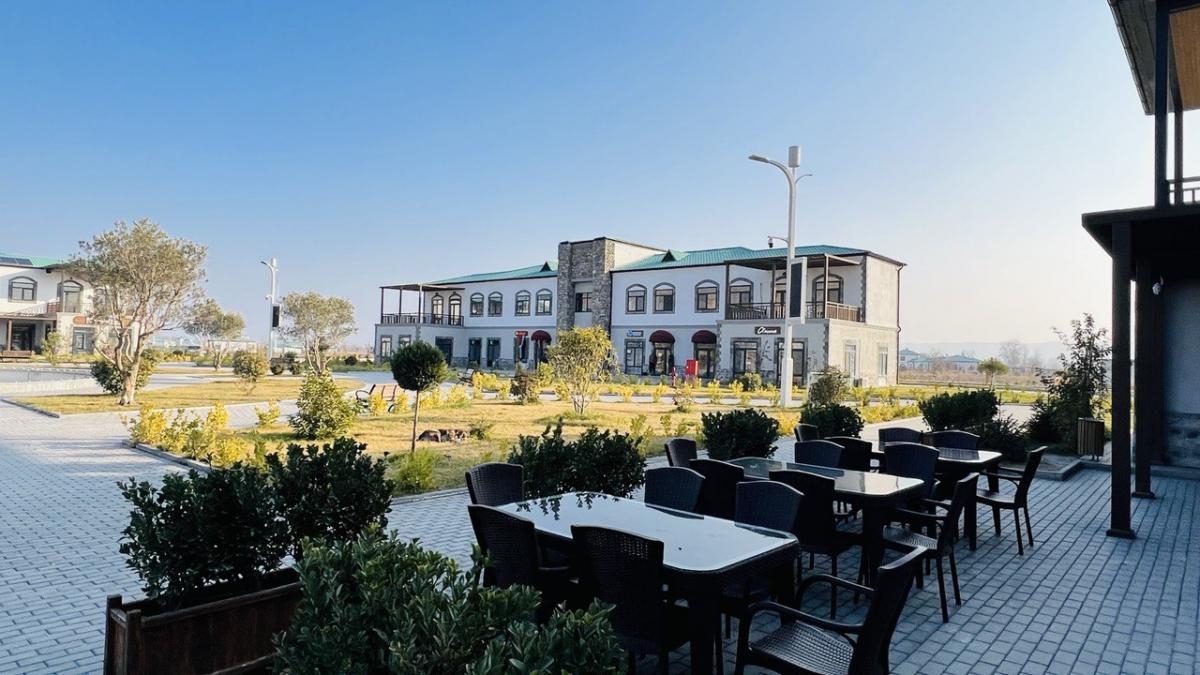
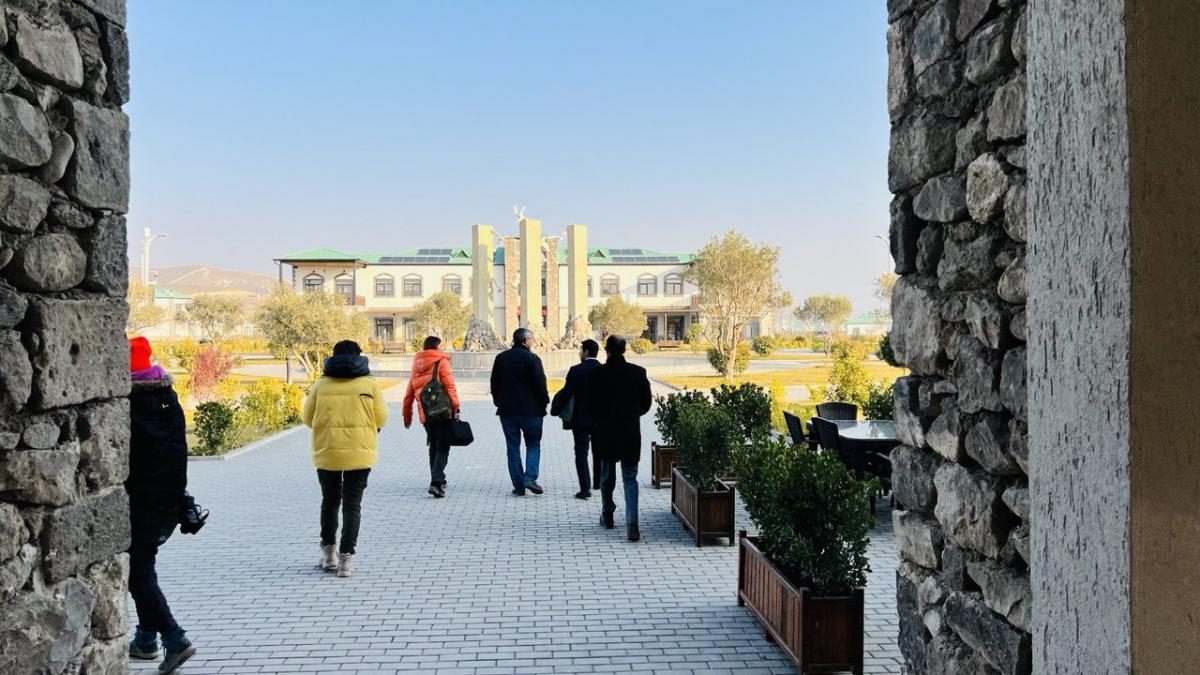
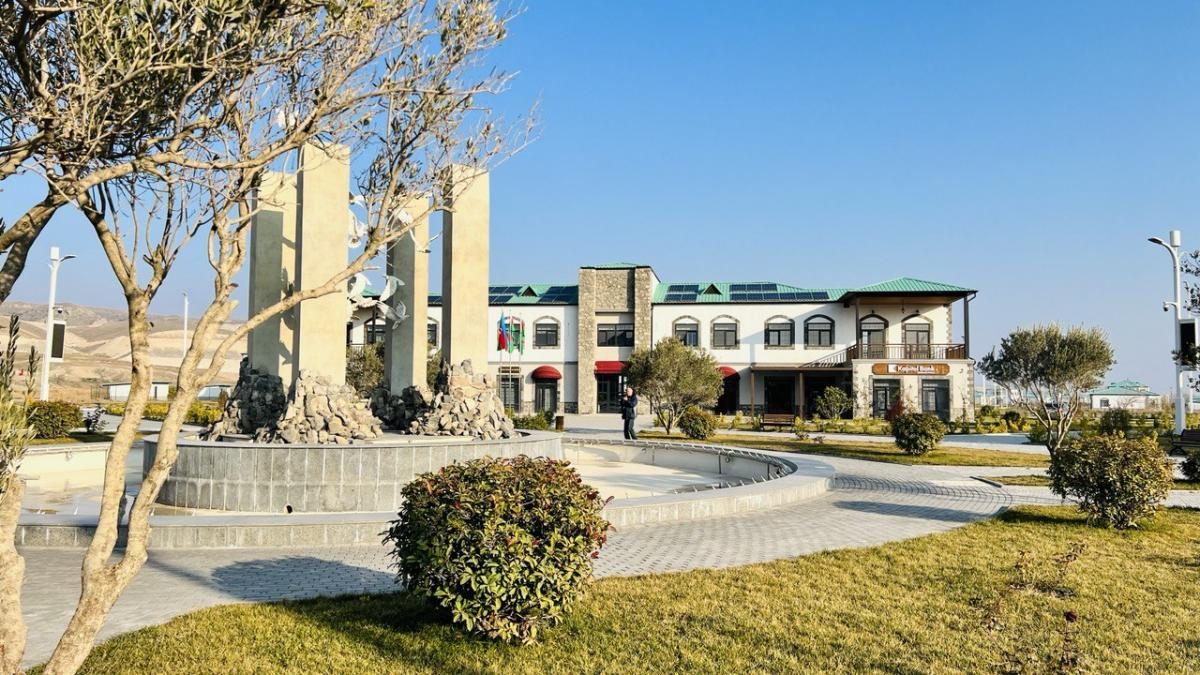
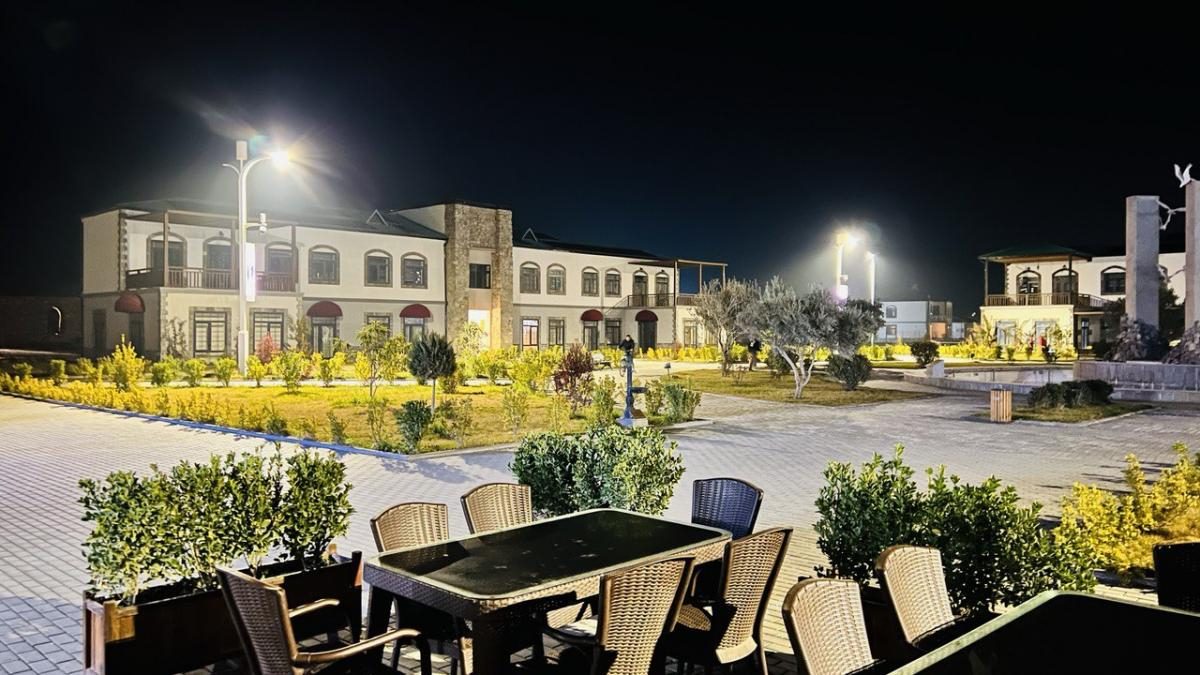
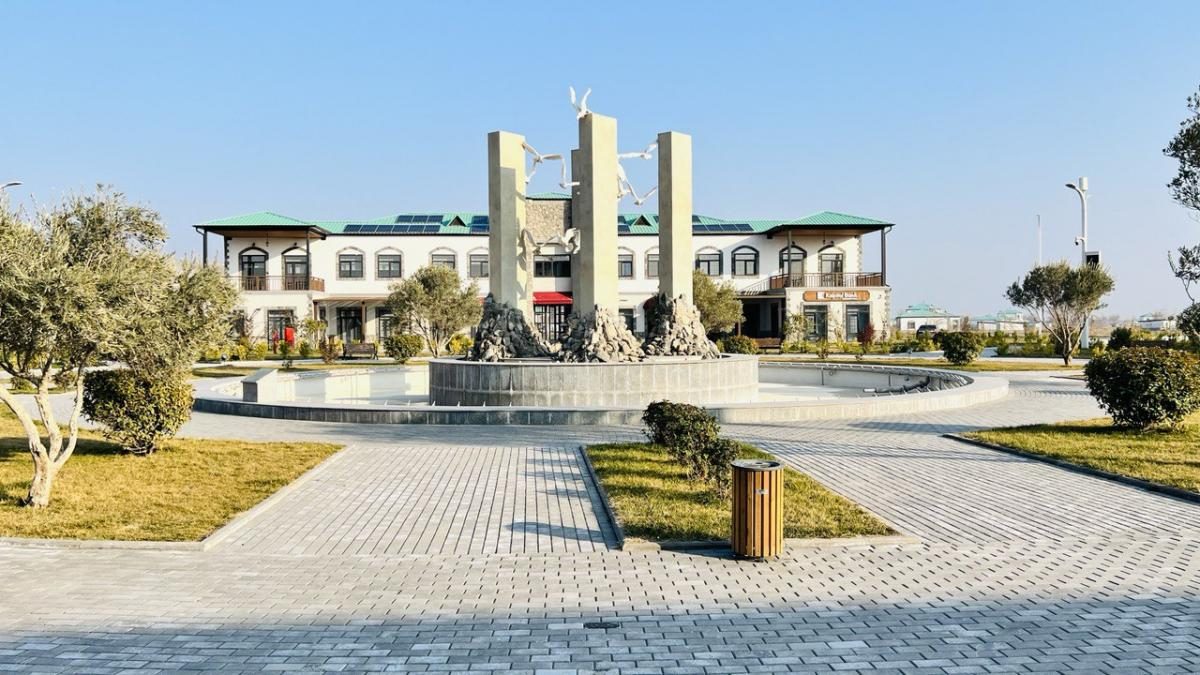
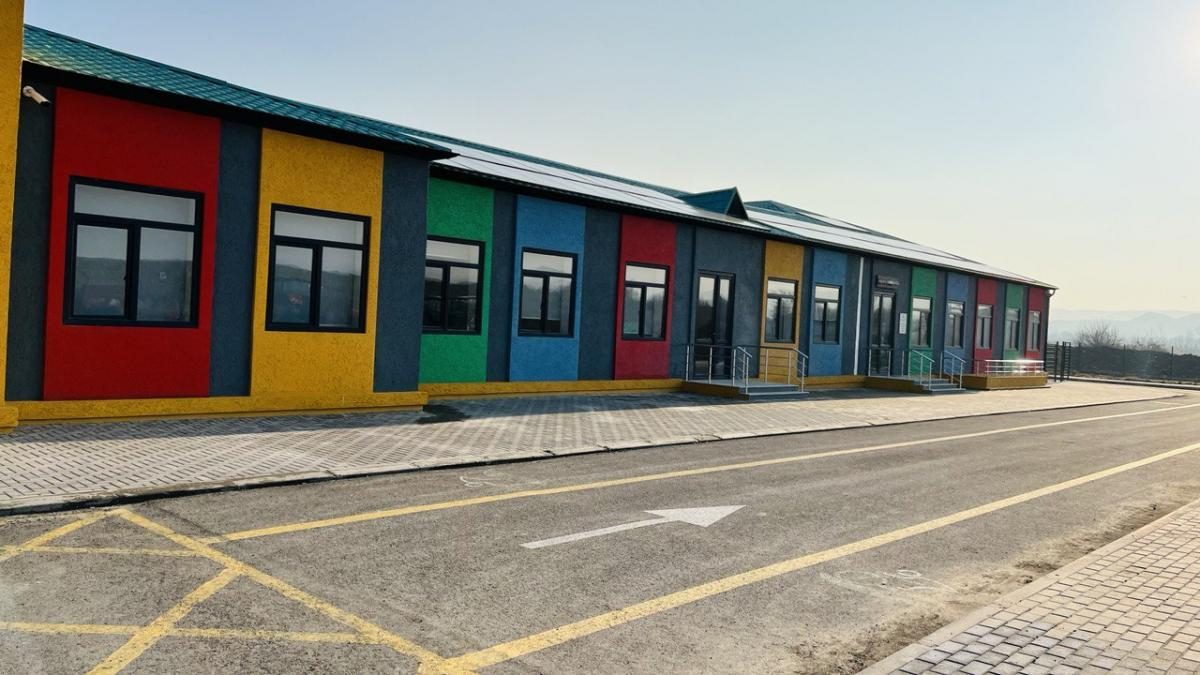
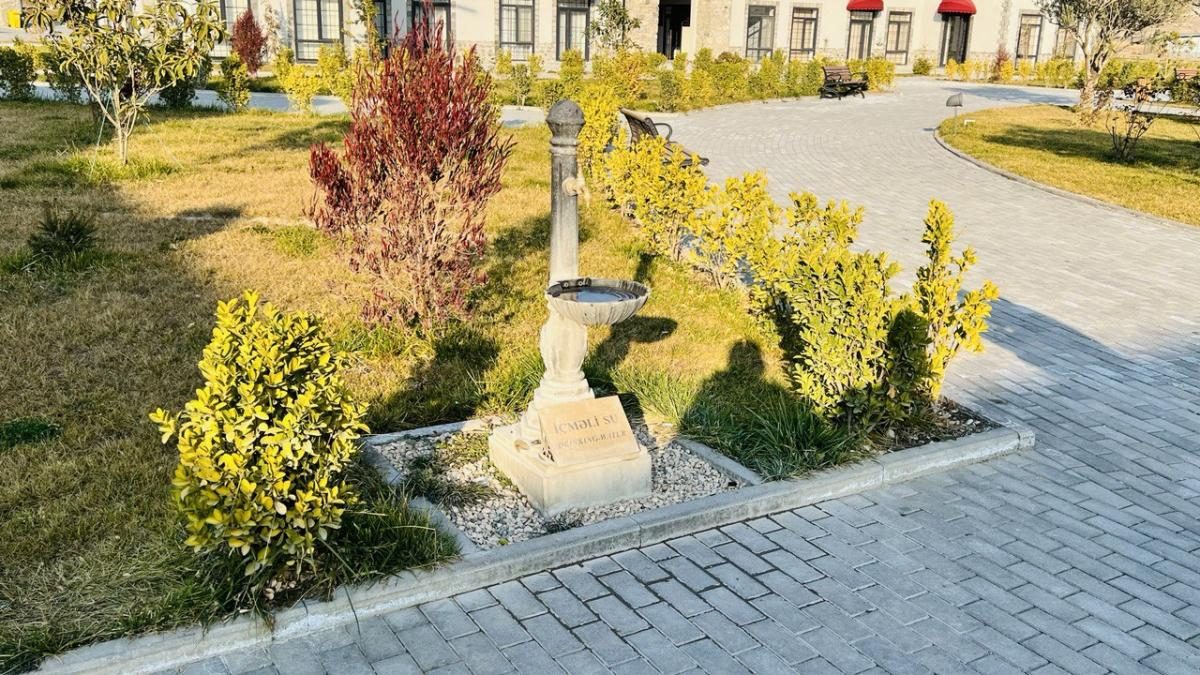
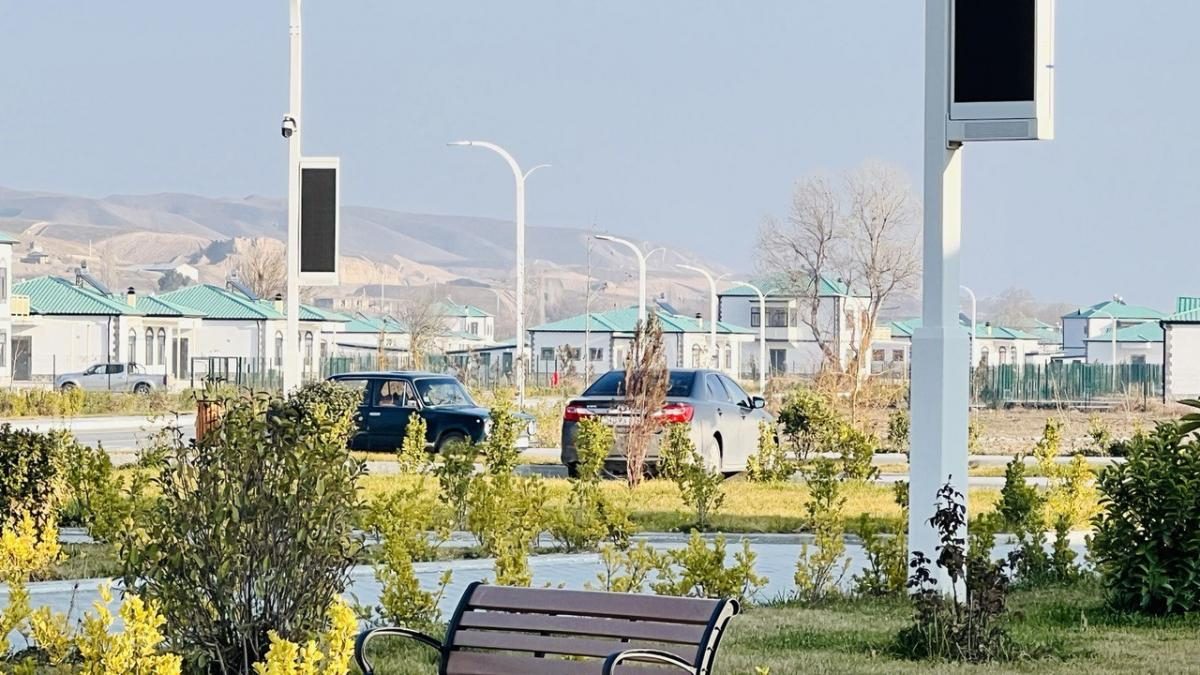
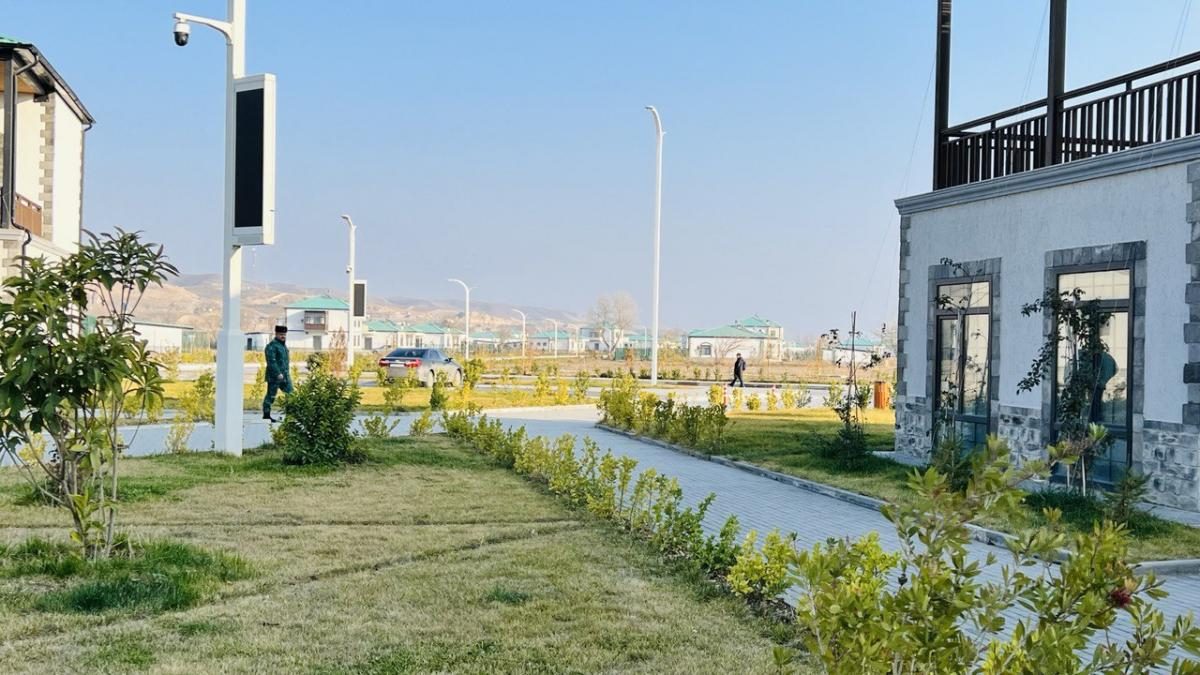
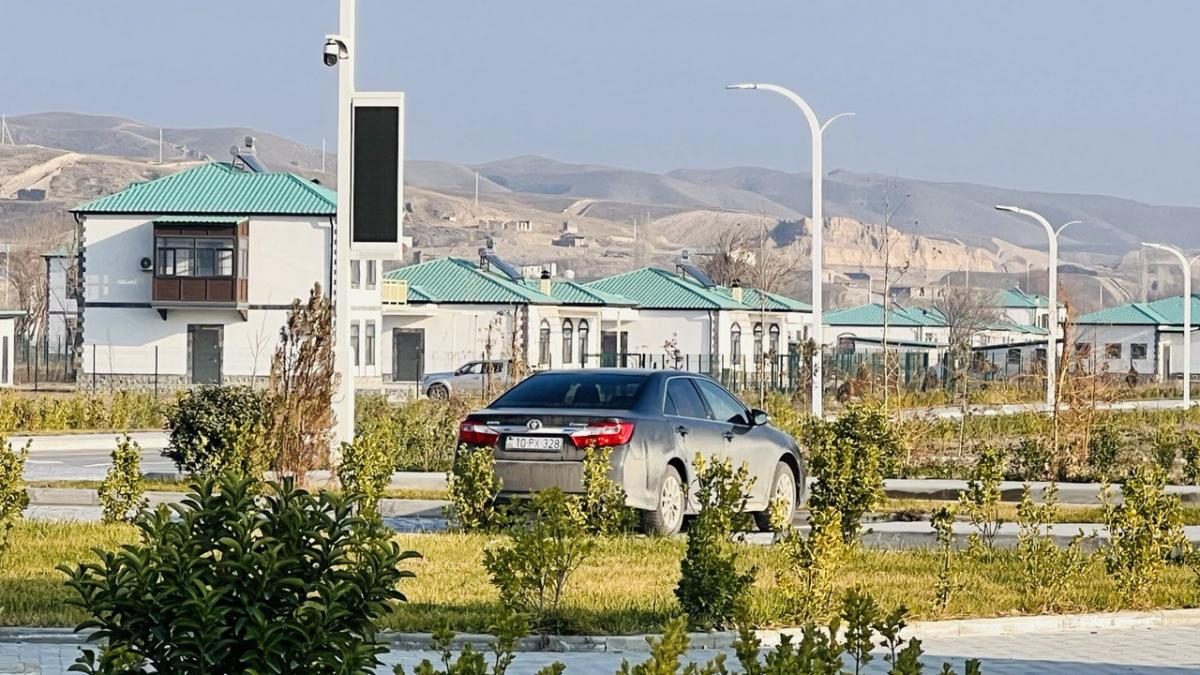
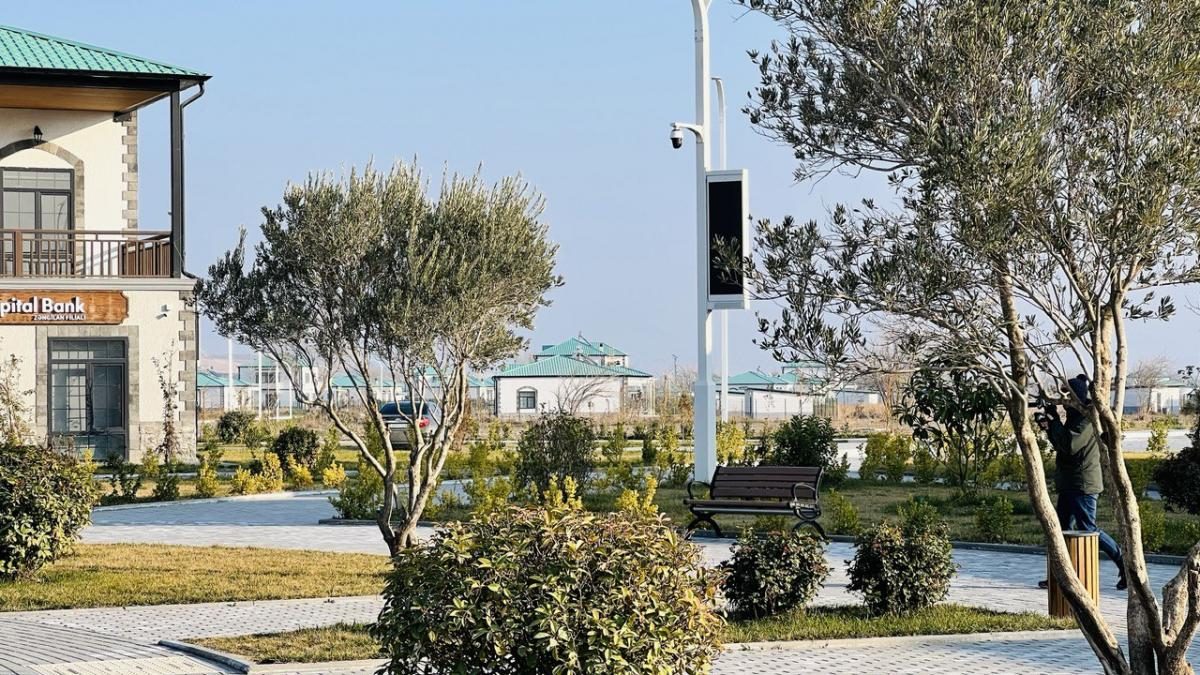
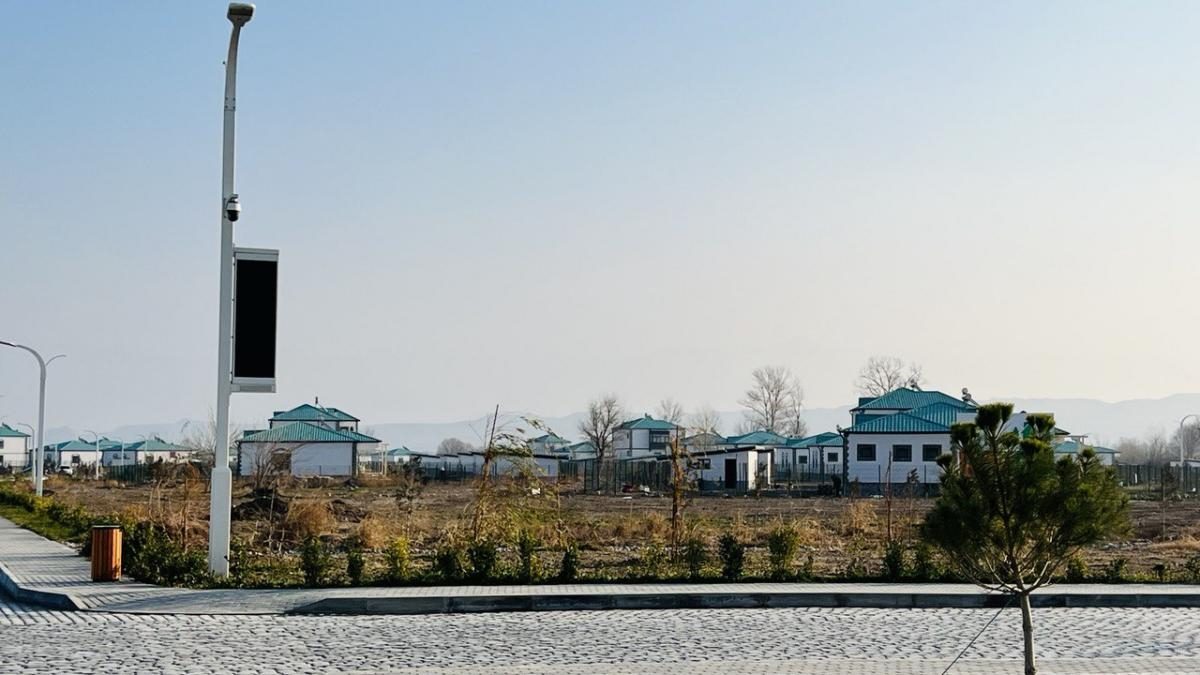
Houses are built by the government, offering them to those who wish to return to their historic homeland to move in for free. The size of the house depends on the size of the moving family
All the residential buildings here are equipped with solar electric panels: green energy is a key policy in the reconstruction of Karabakh in general. And the local school, equipped and computerized with the latest educational technology, would be the envy even of the capital’s residents.
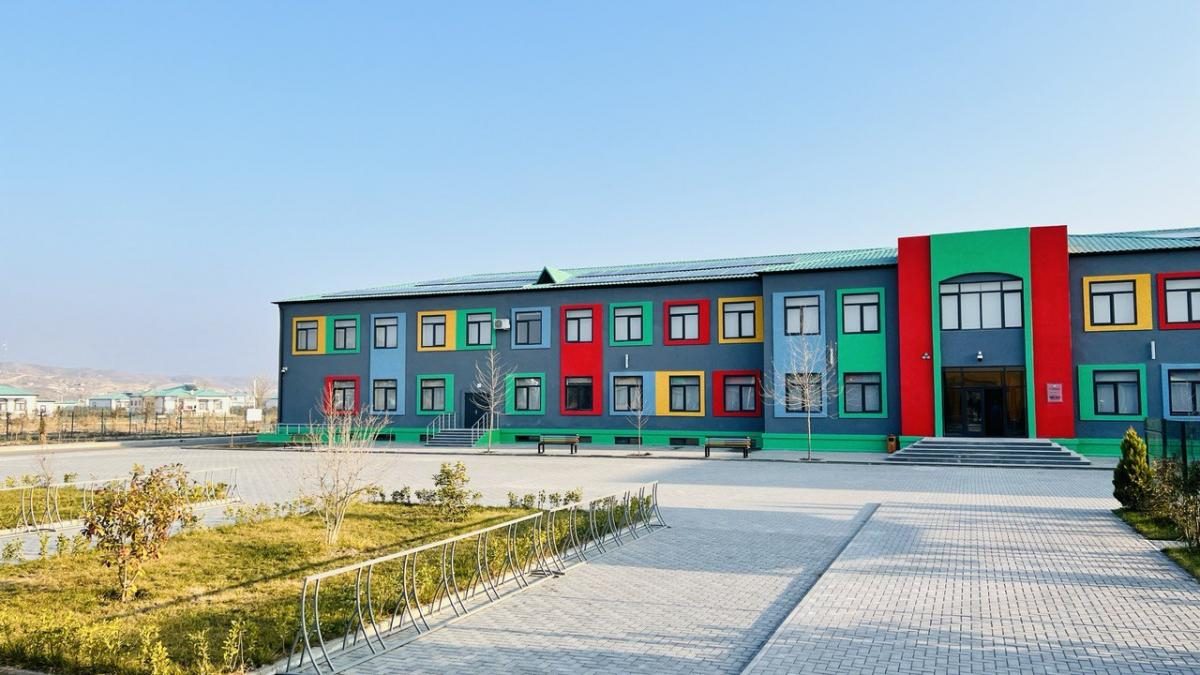
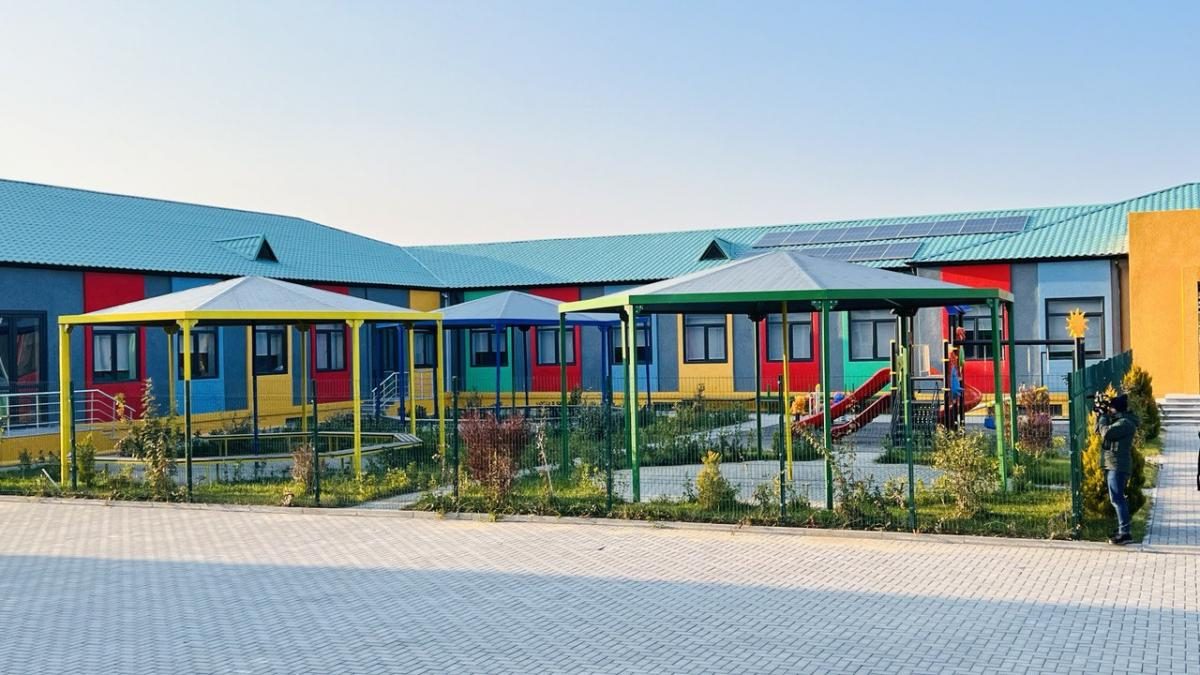
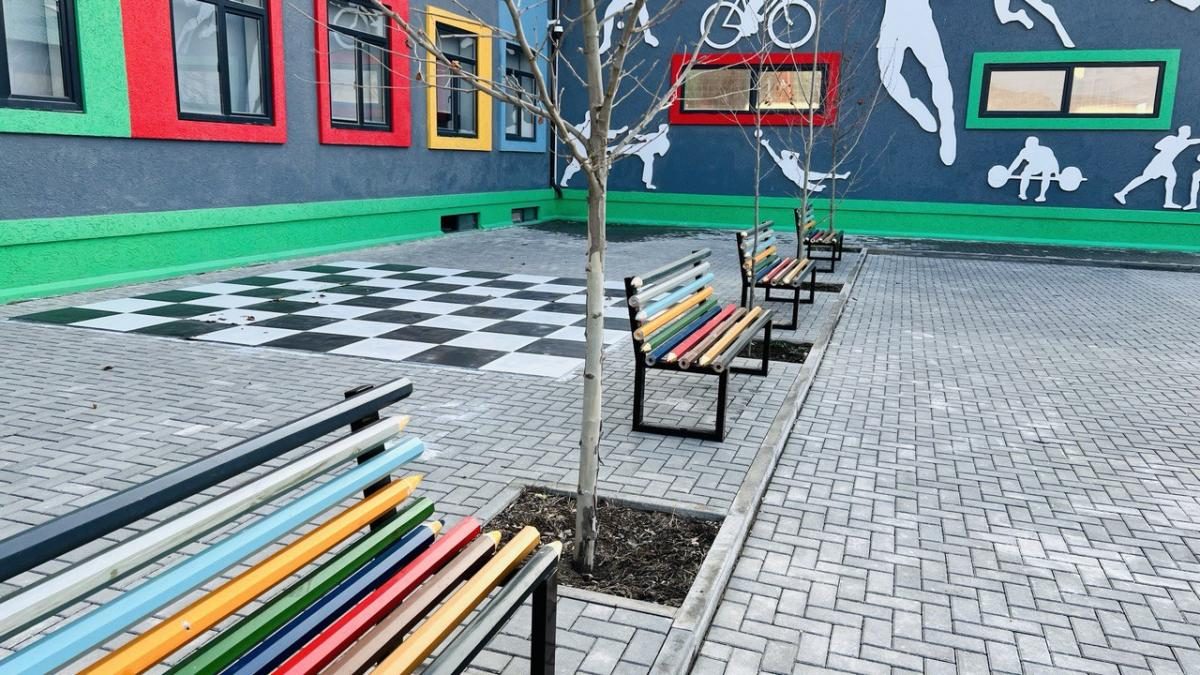
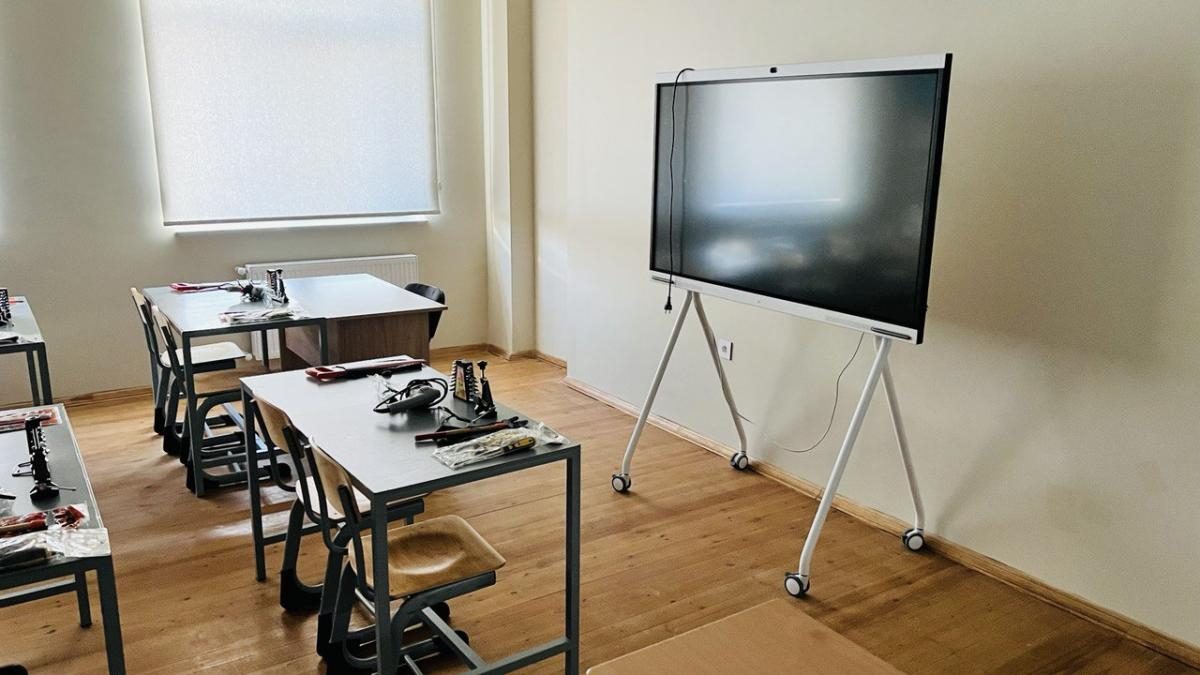
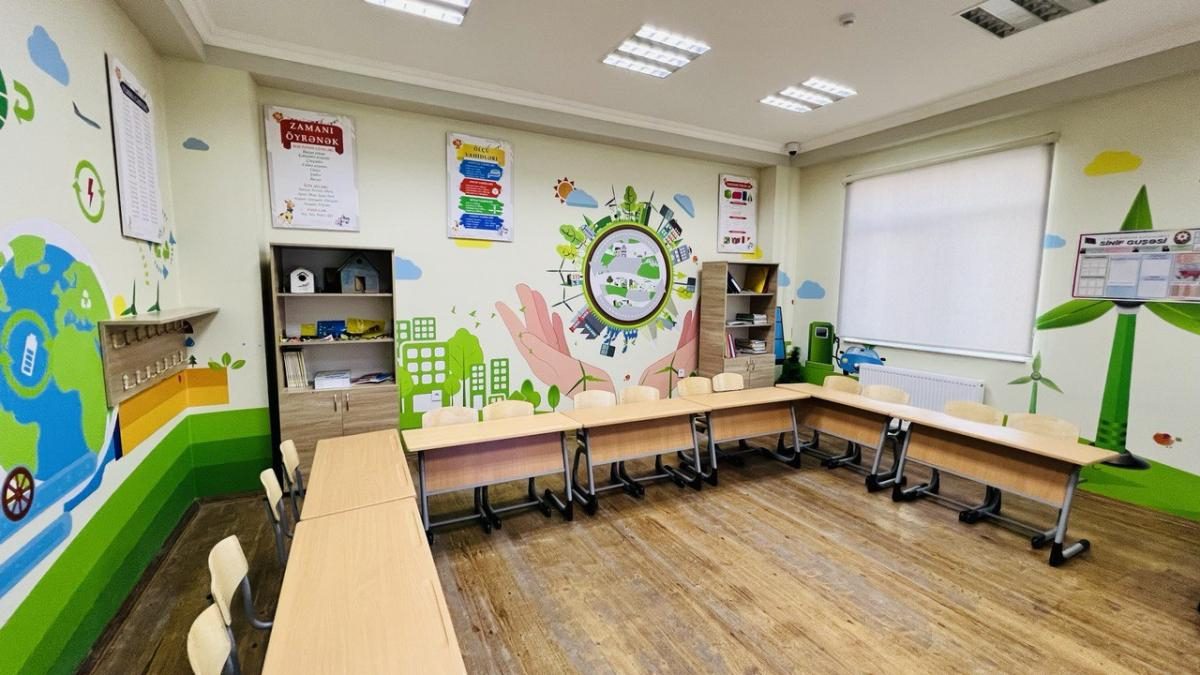
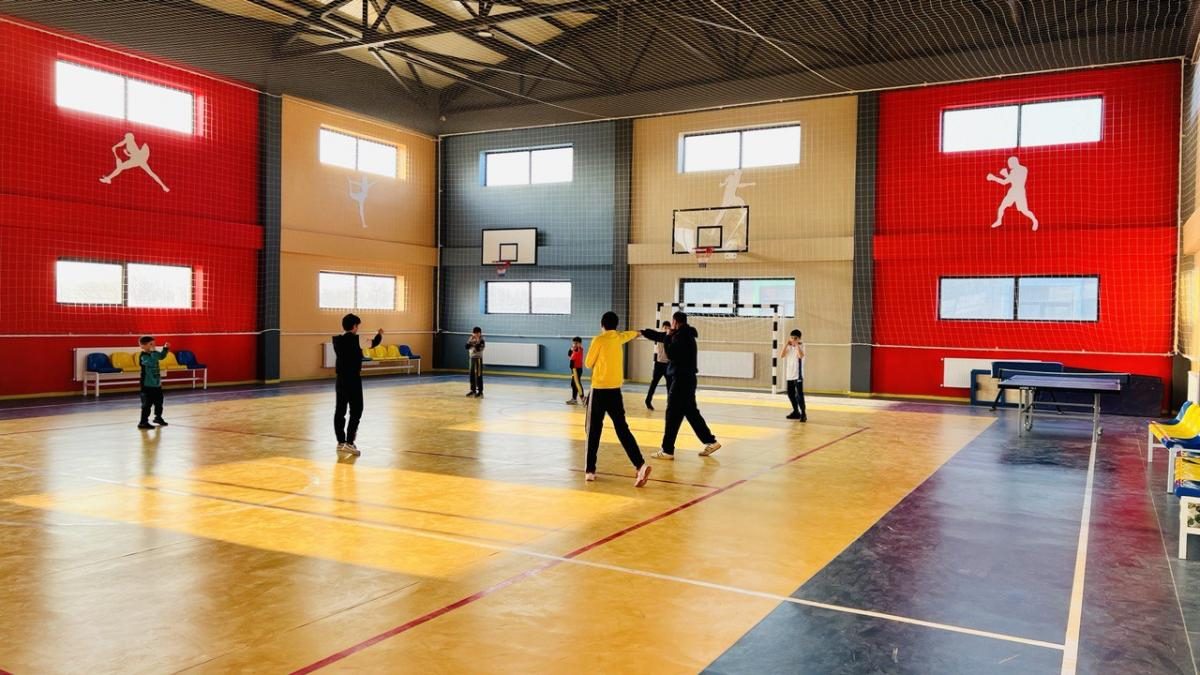
Of course, those relocating to the rehabilitated territories will need jobs. Azerbaijan has thought this issue through as well. Large companies are setting up their branches and small production facilities in the rebuilt villages, so that the locals will have something to do.
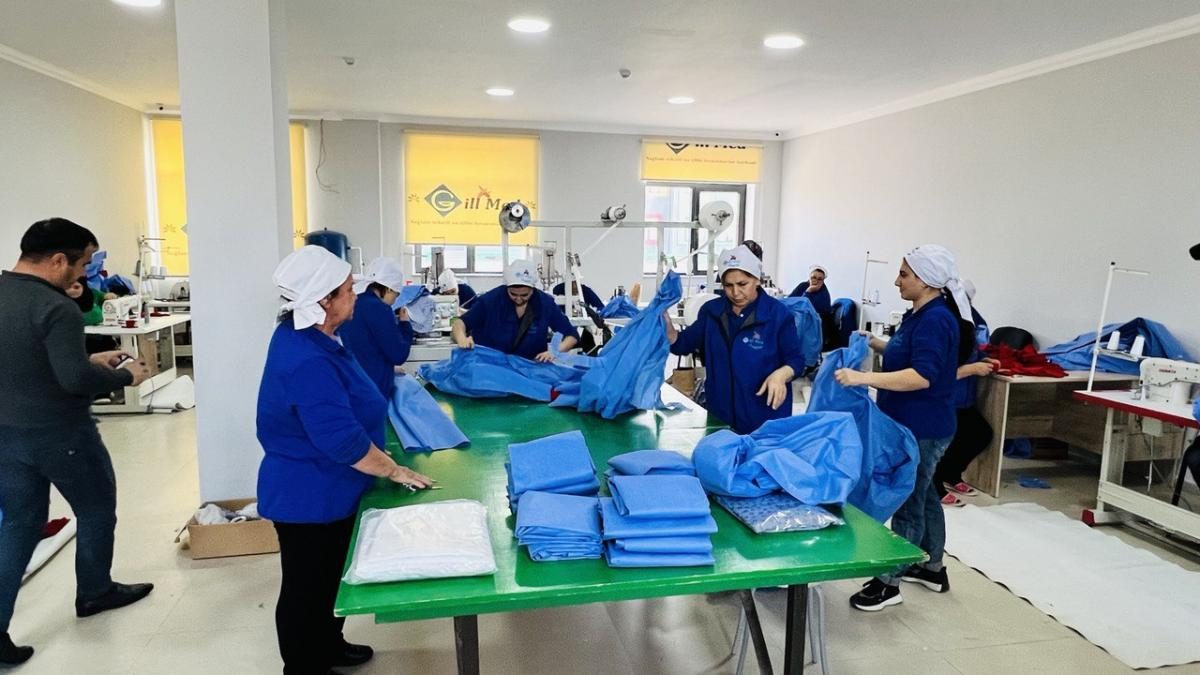
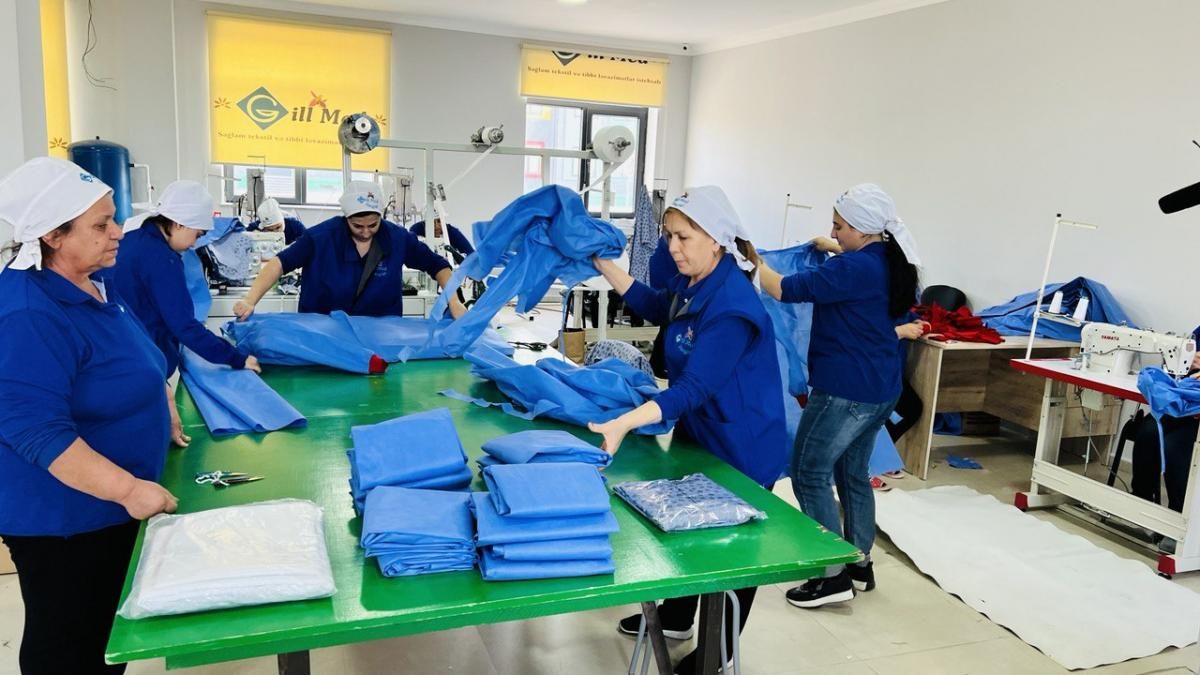
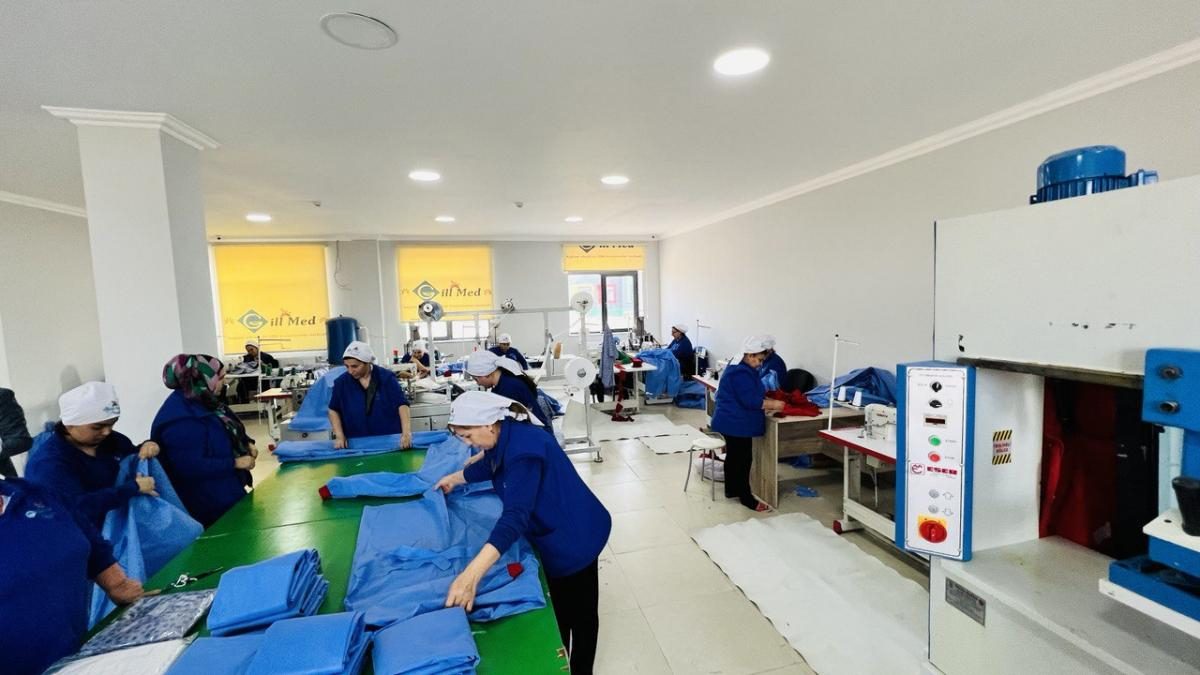
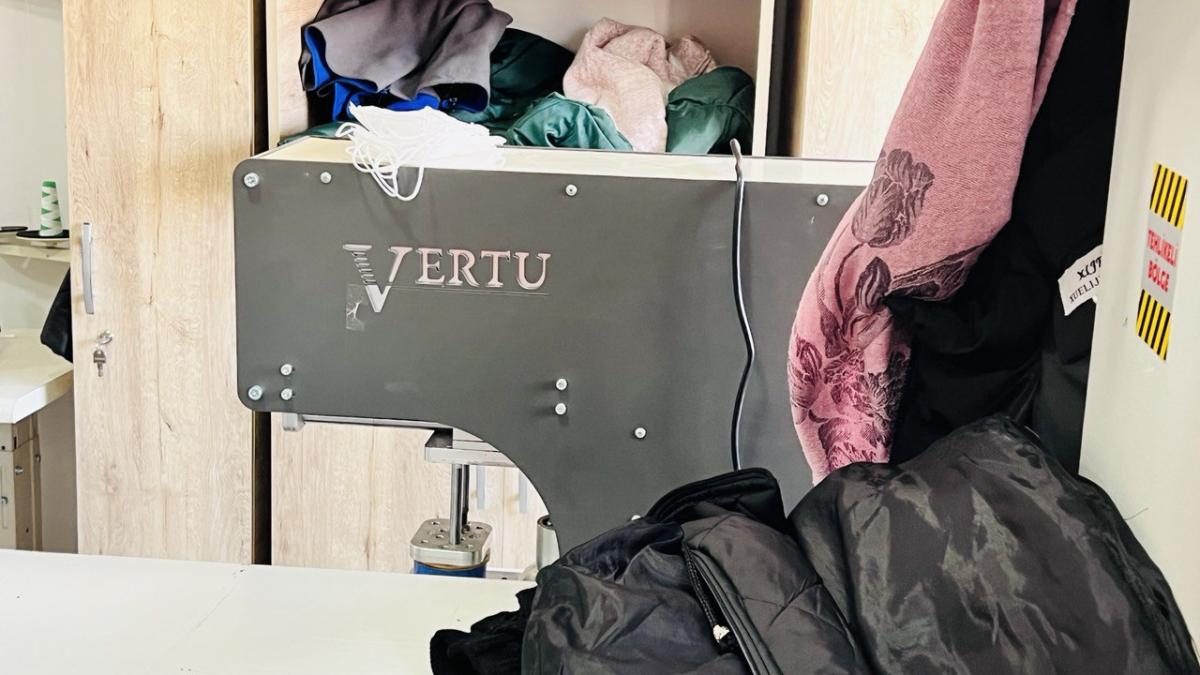
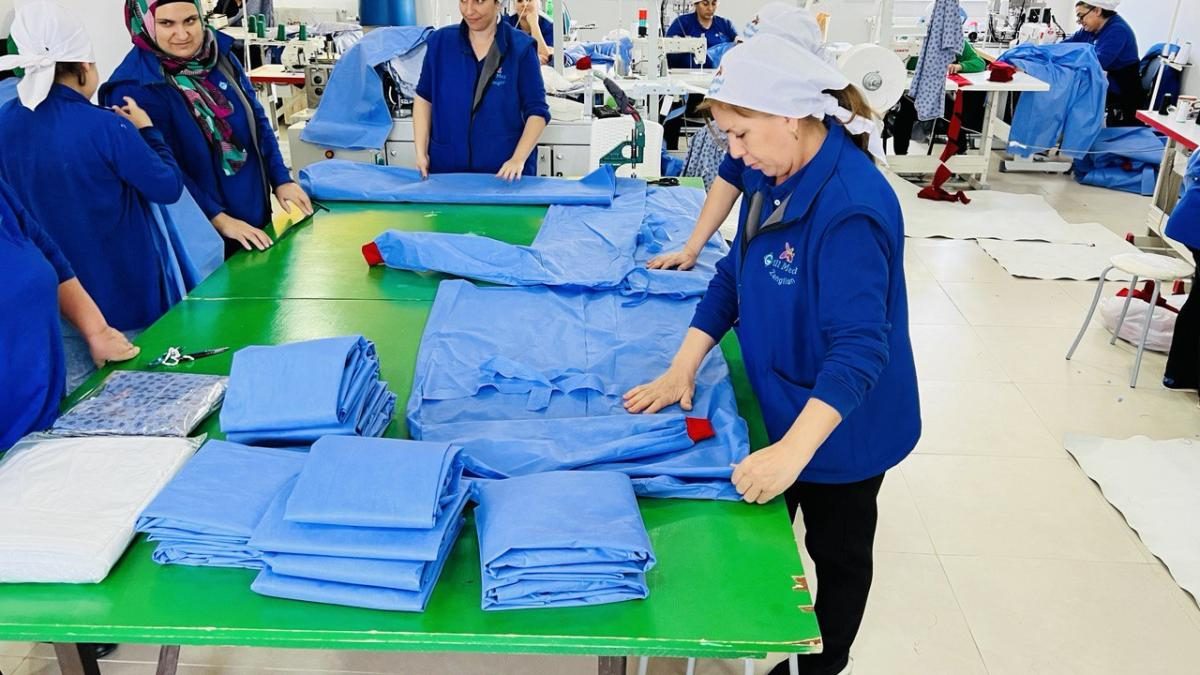
A sewing shop specializing in medical clothes in the village
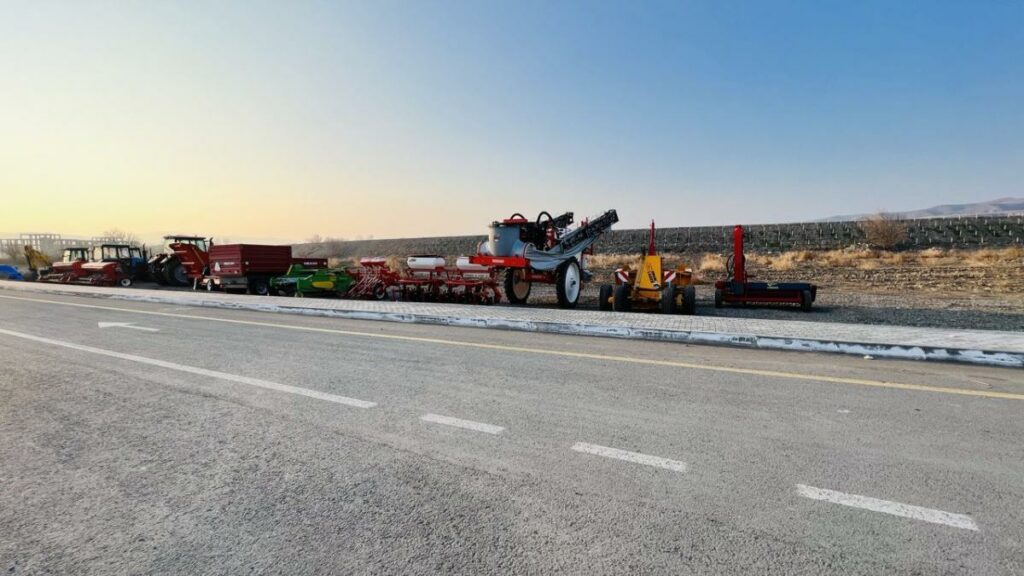
… Various agricultural equipment is lined up in a long row on the outskirts of the newly inhabited village. This is neither an exhibition nor a store: the harvesters and tractors belong to the entire village community, and every resident has the right to use them for their needs.
This comprehensive approach, making the return to the homeland, where everything was once destroyed by war criminals, attractive, is exactly the kind of experience that Ukraine will need to implement in order to repopulate the depopulated Donbass. And it can become a vaccine against any ideas of separatism and collaborationism in the future.
For people can sometimes betray their homeland, but they will not betray the land where they are happy.
The past as a vaccine for the future
Another important element of rebuilding a normal life is memory. Preserving the evidence of what was done and by whom in the past for future generations to avoid repeating the past mistakes and tragedy in the future.
Ukrainians, in their day, neglected the lessons of their history, blithely accepting Russian cultural and economic expansion and Russia’s continued significant influence on Ukrainian affairs after the collapse of the Soviet Union. This is why the vast majority could not believe in the possibility of what happened in 2014 and then in 2022. This is why many are still surprised by the unimaginable cruelty of the tricolor-waving moral freaks in the present.
Azerbaijanis have preserved traces of the war crimes of Armenians and their Russian allies. And not only in Karabakh. For example, in the peaceful Azerbaijani city of Ganja, where Russian Scud and Tochka-U missiles flew into residential neighborhoods on civilians’ heads in 2020 (Ukrainians, unfortunately, did not know about this tactic of the post-Soviet occupiers at the time), it was decided not to rebuild the ruins of residential buildings, where dozens of civilians and children were killed, but to turn them into an open-air museum instead.
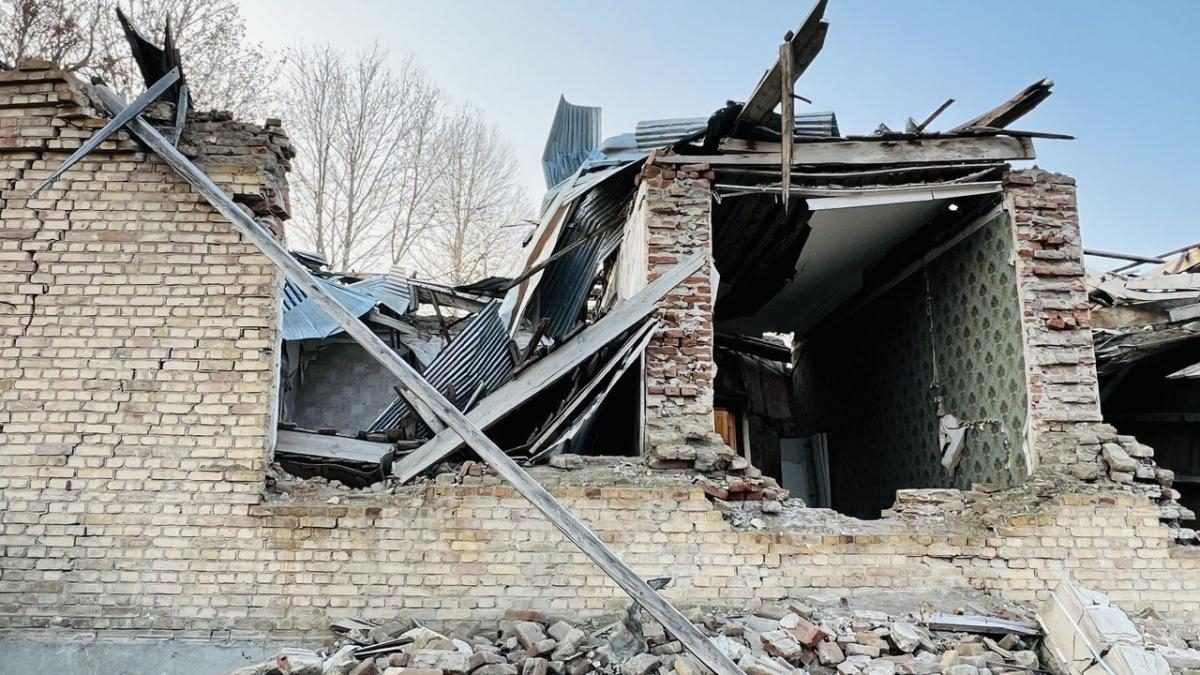
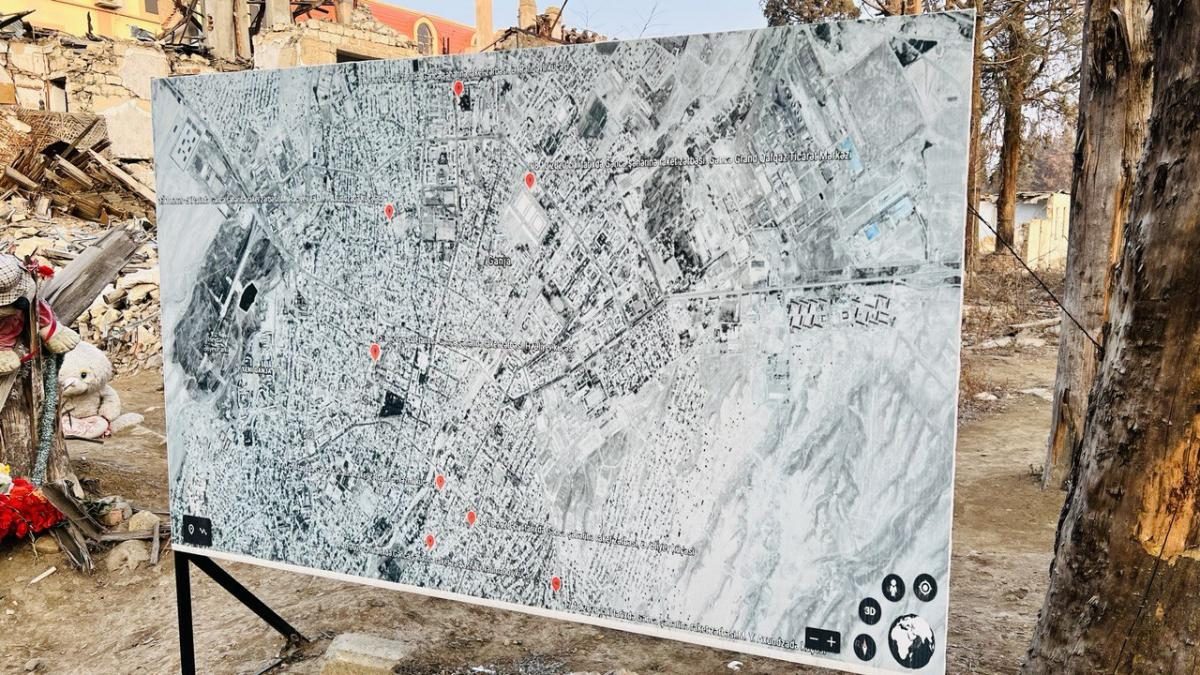
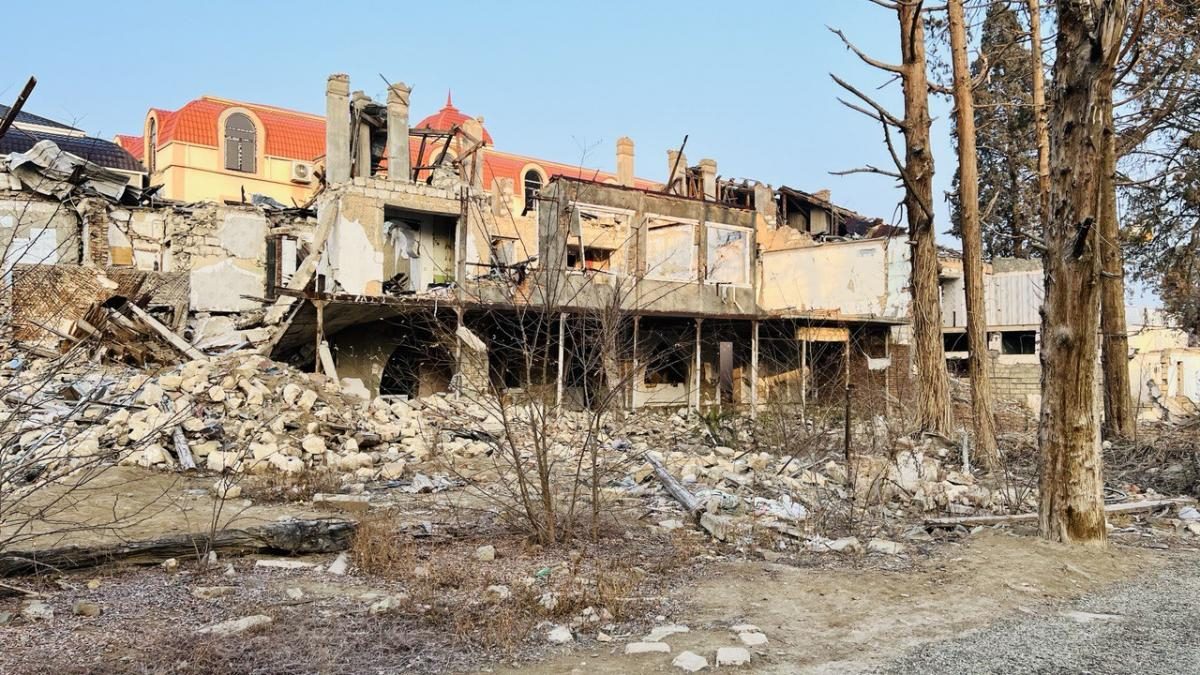
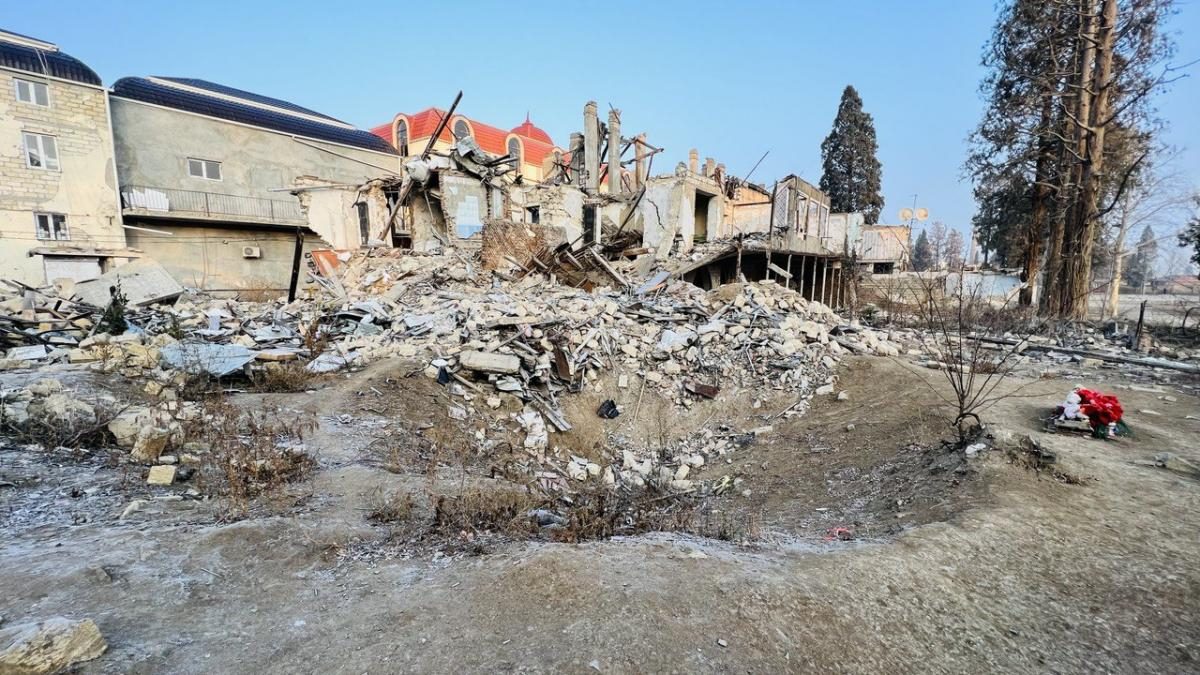
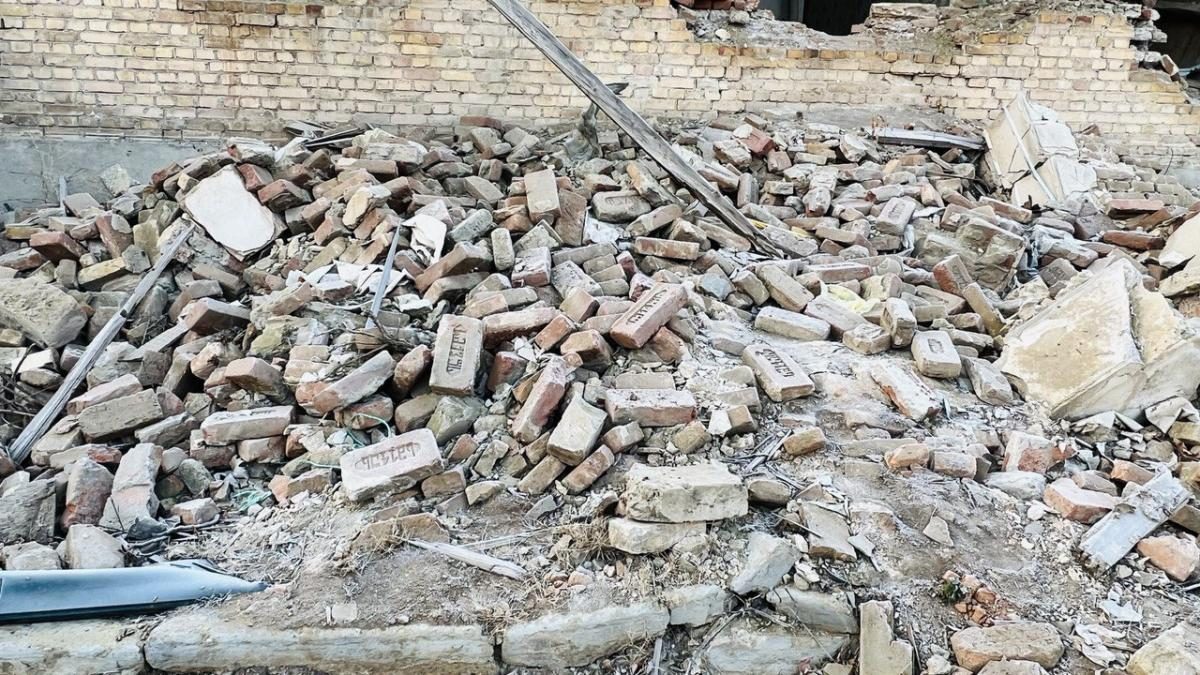
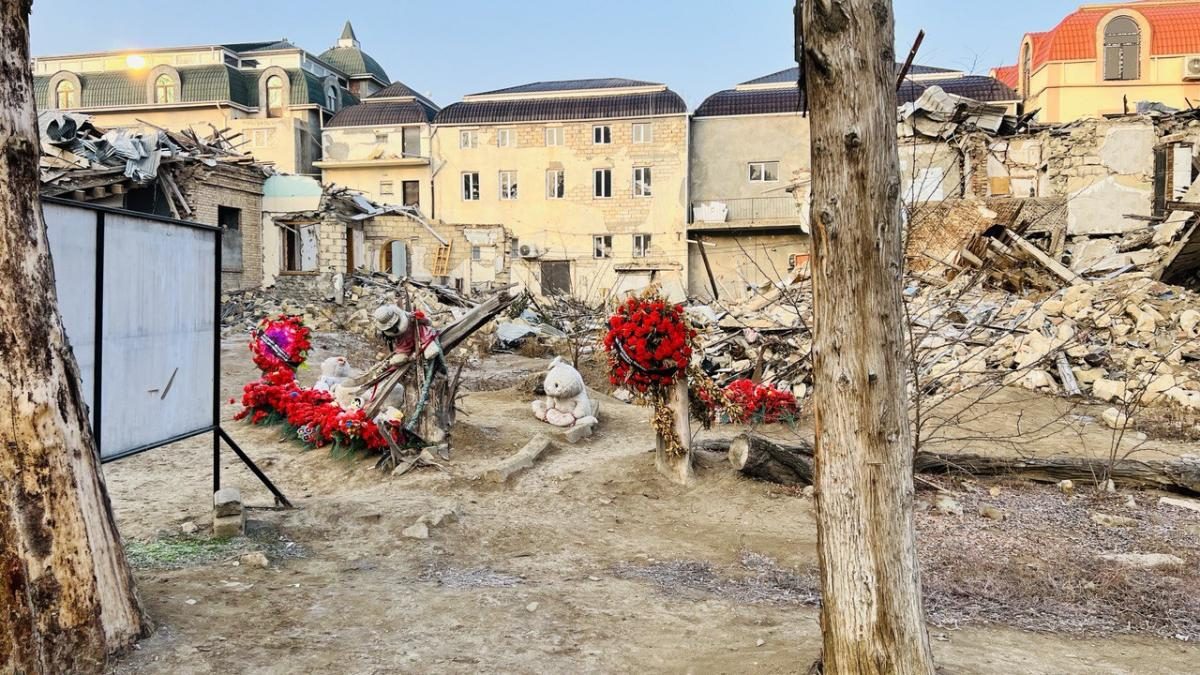
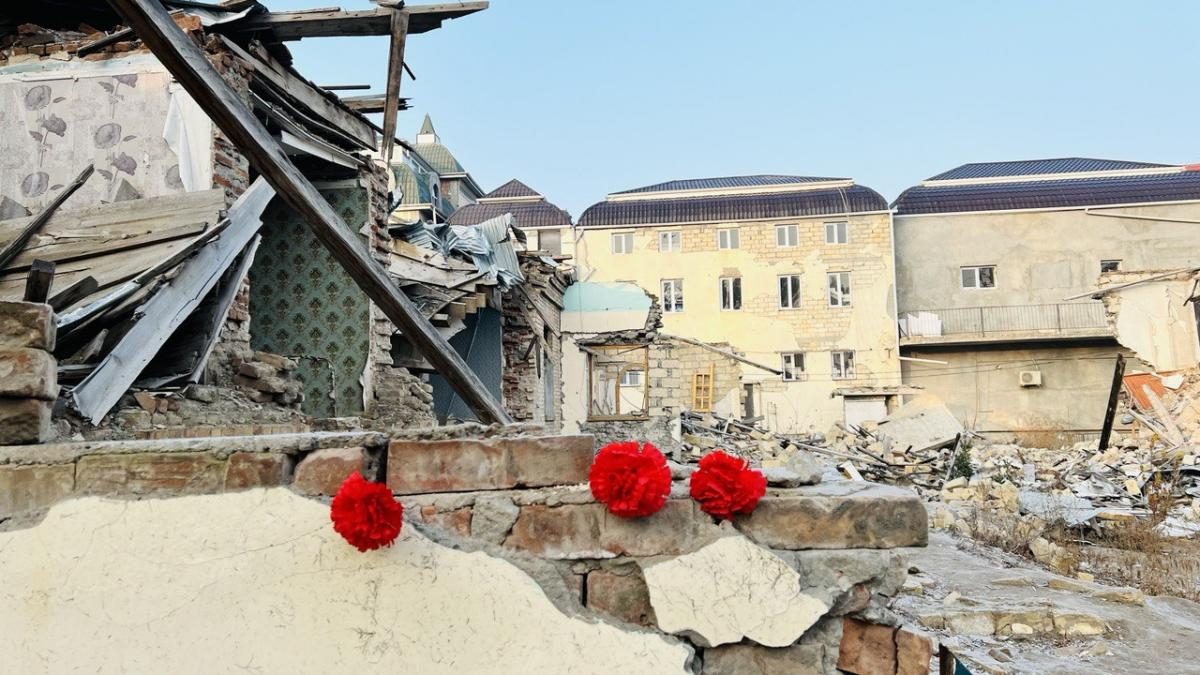
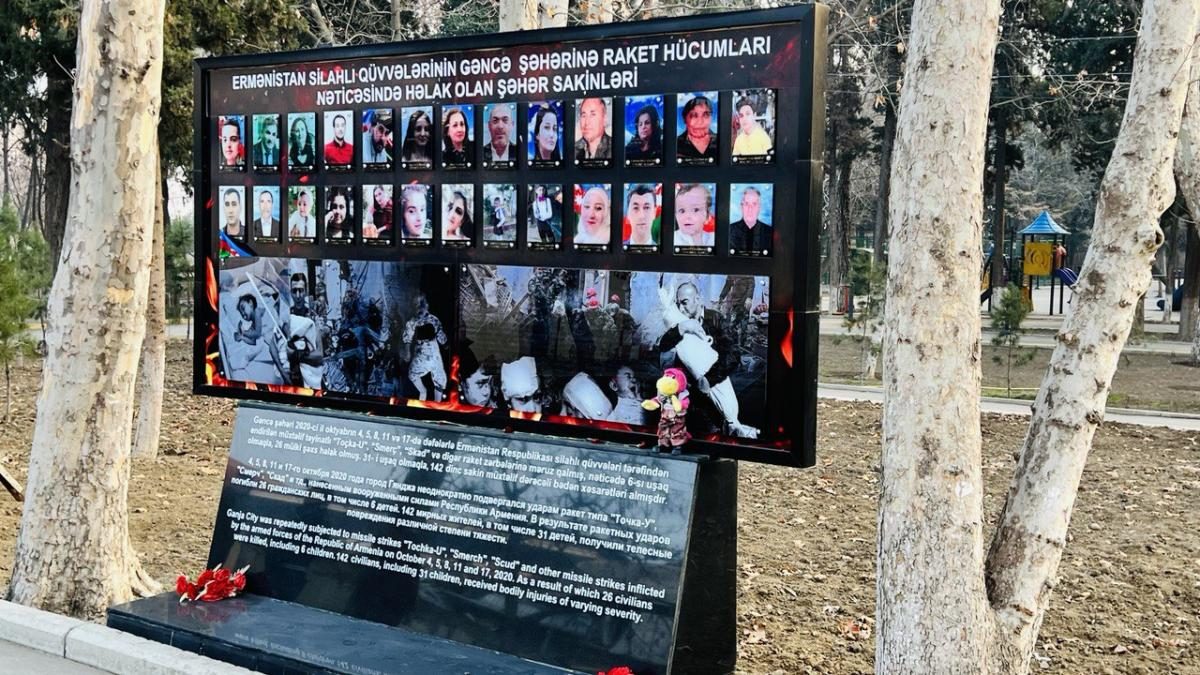
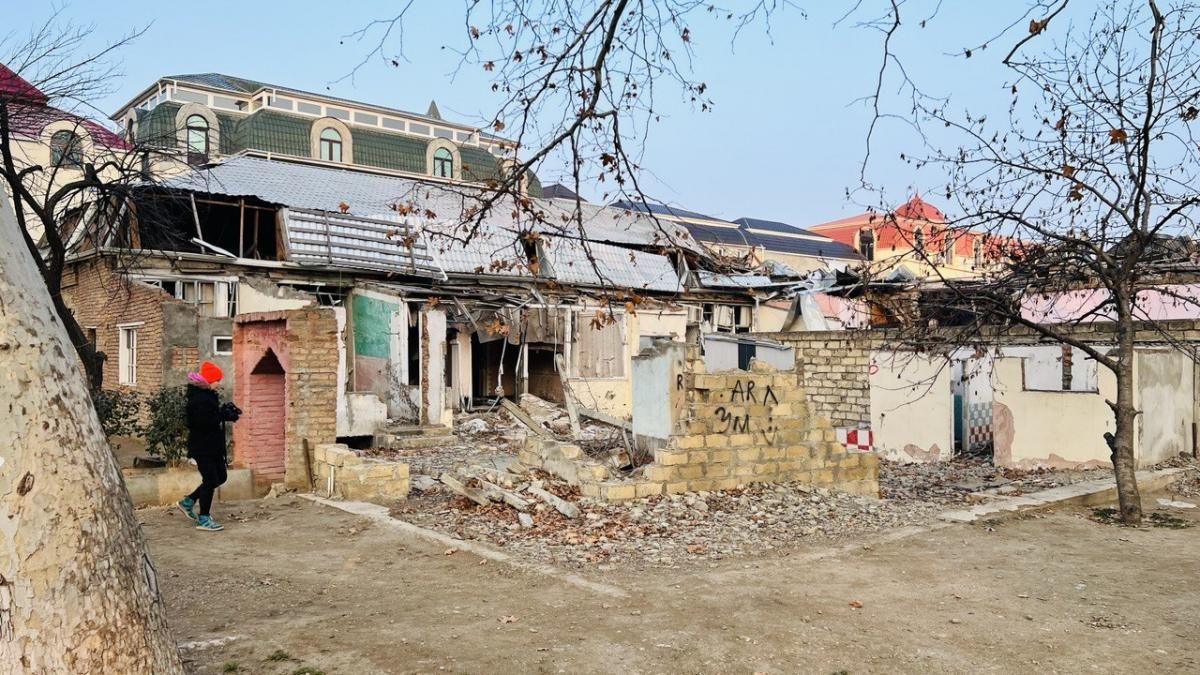
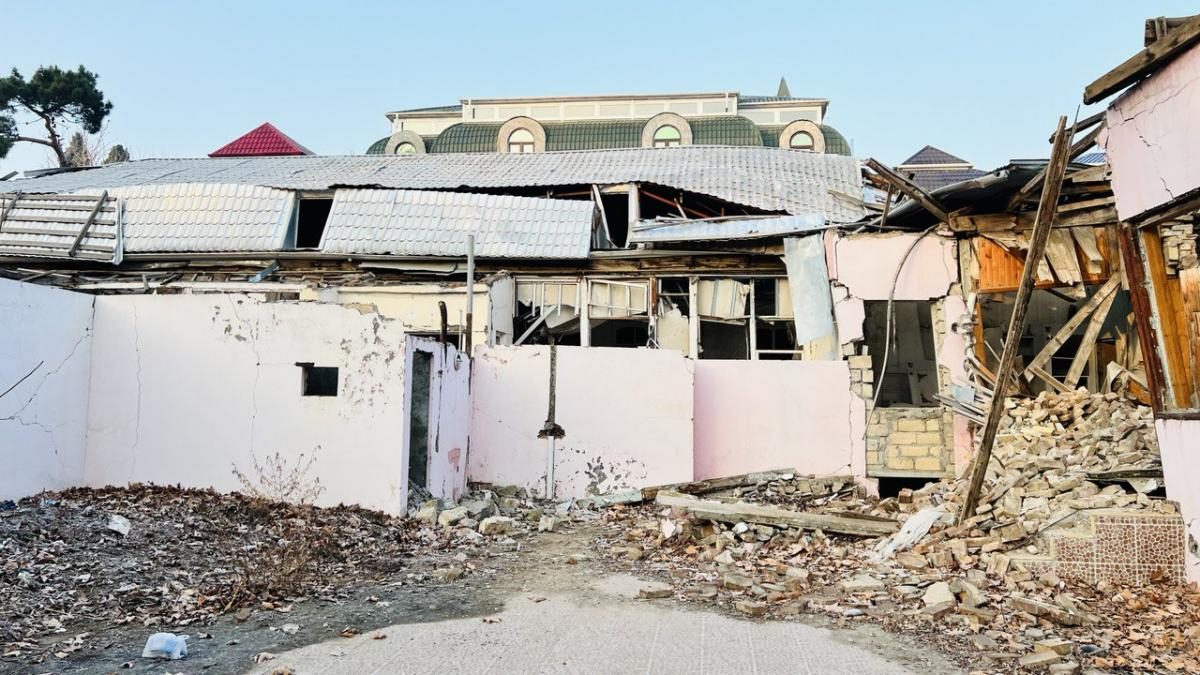
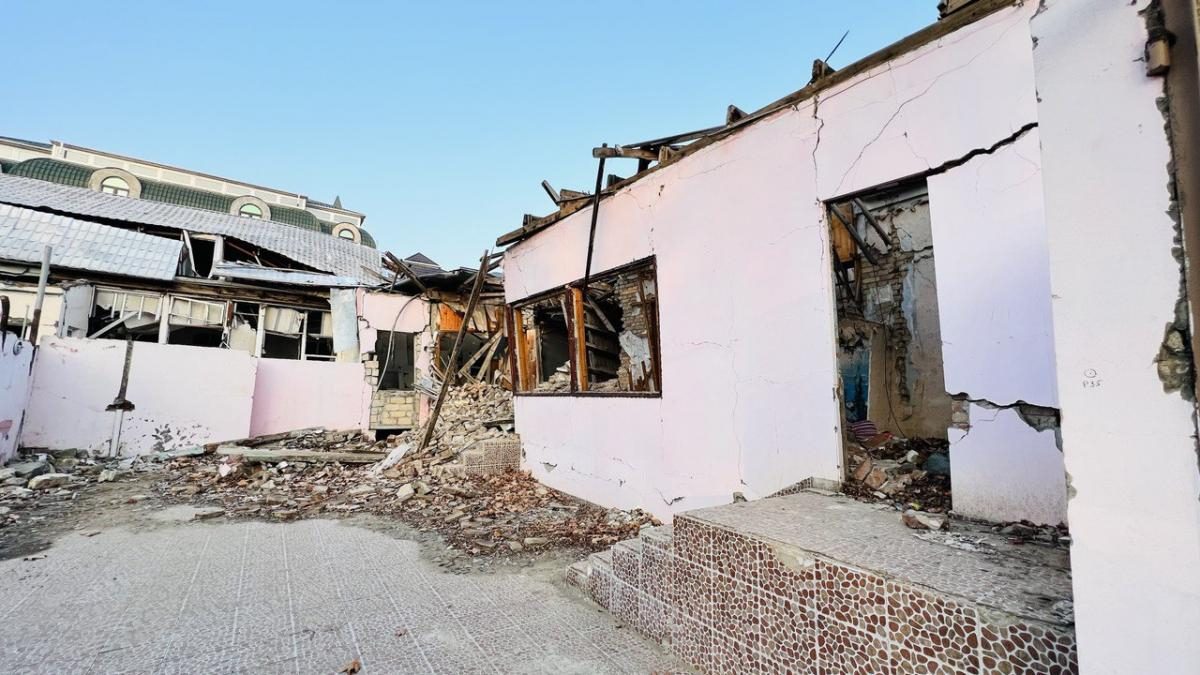
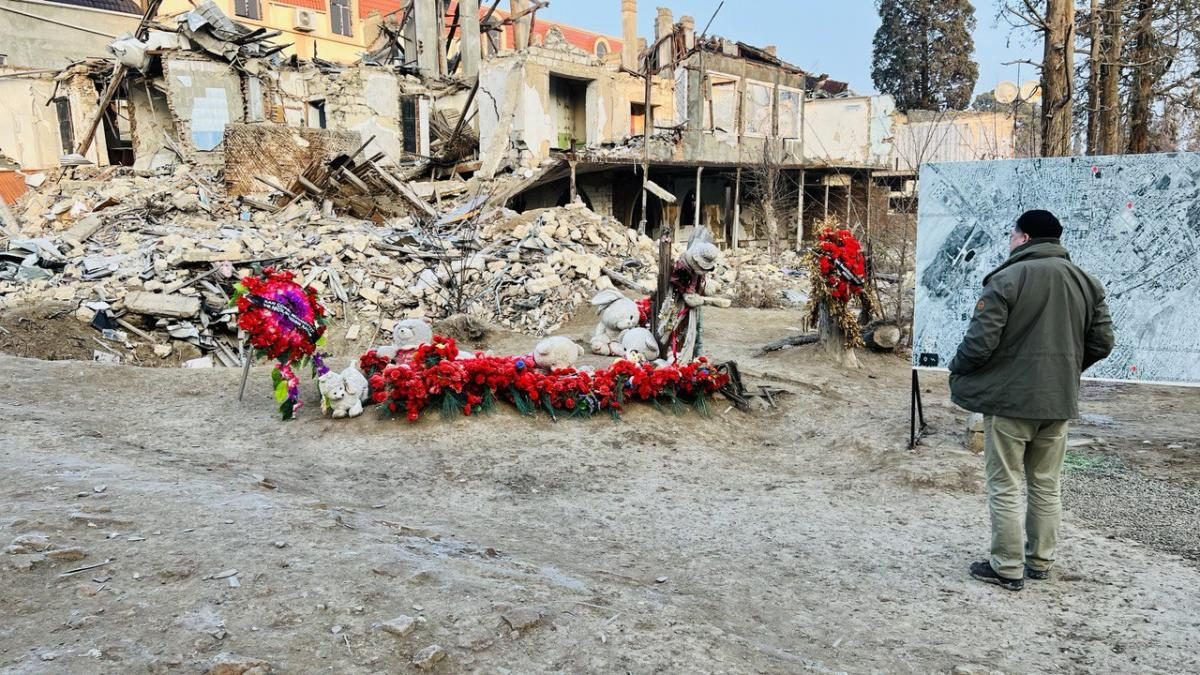
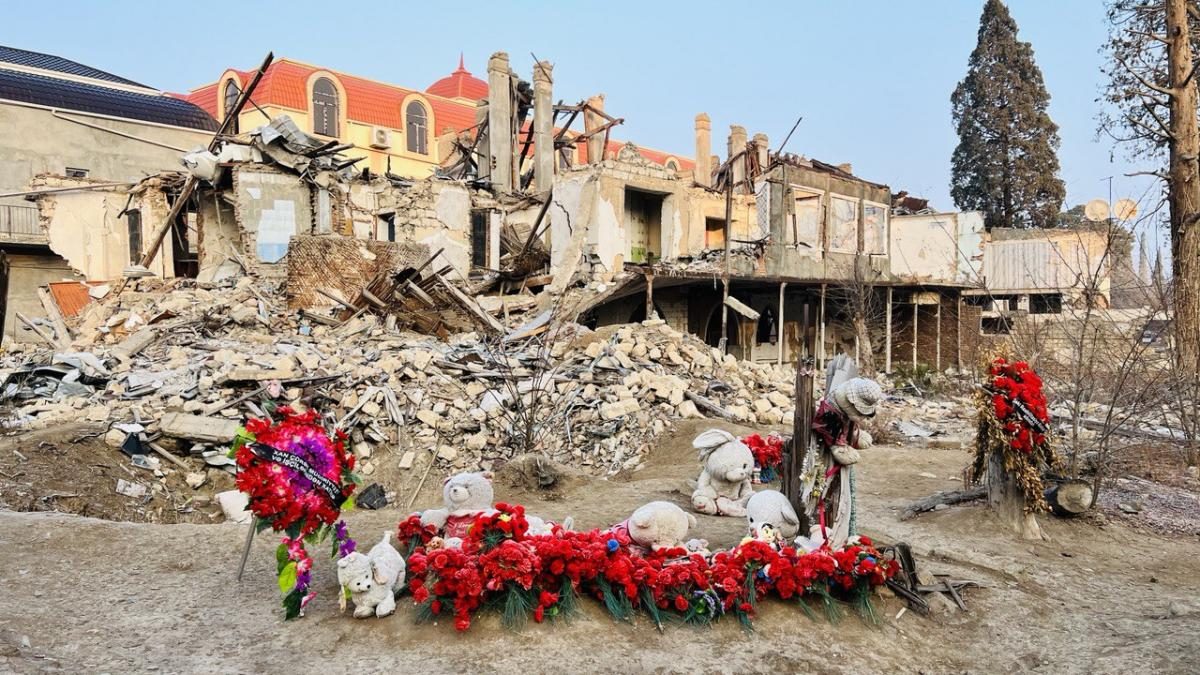
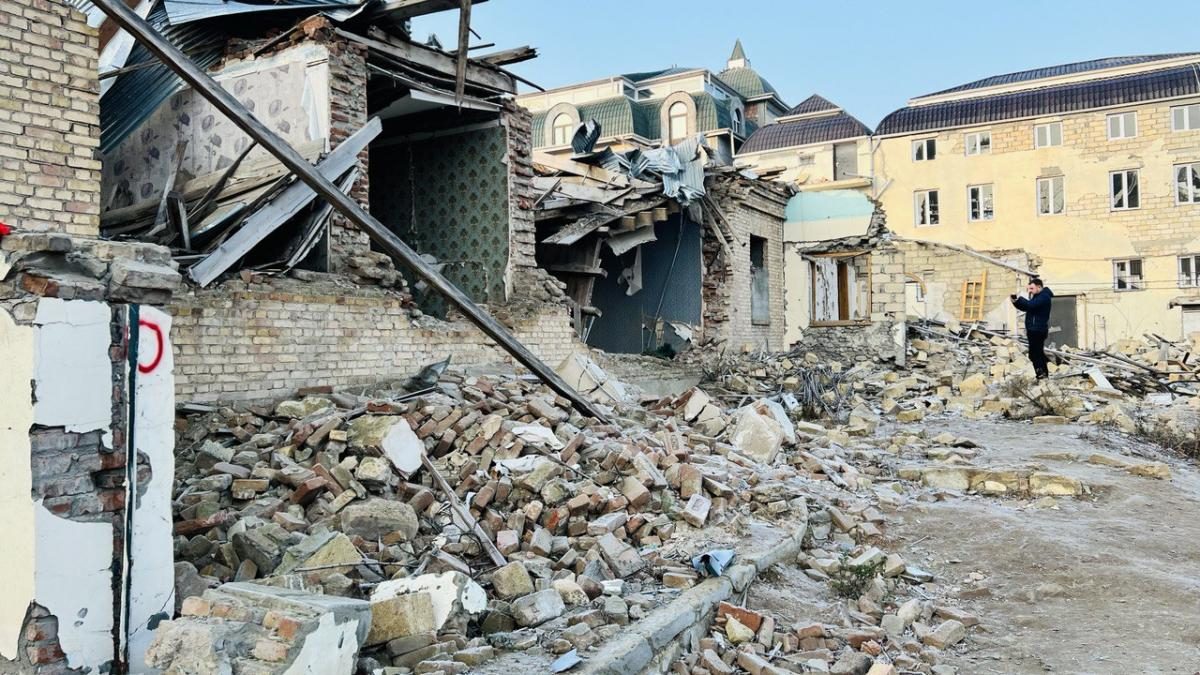
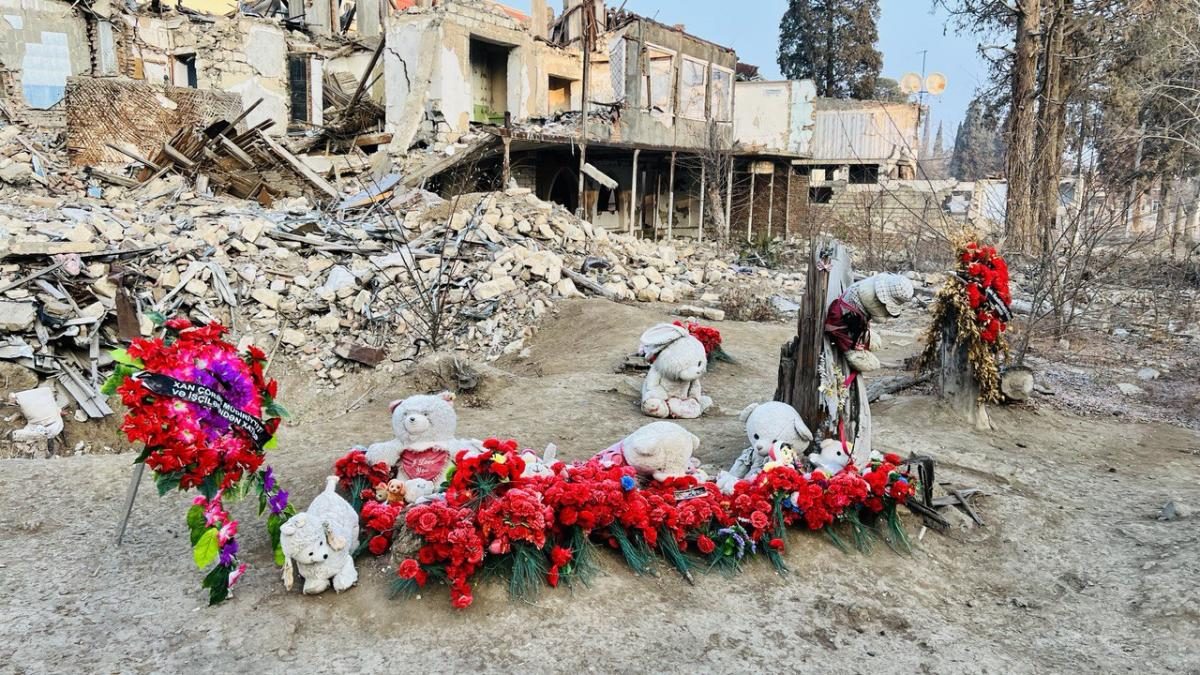
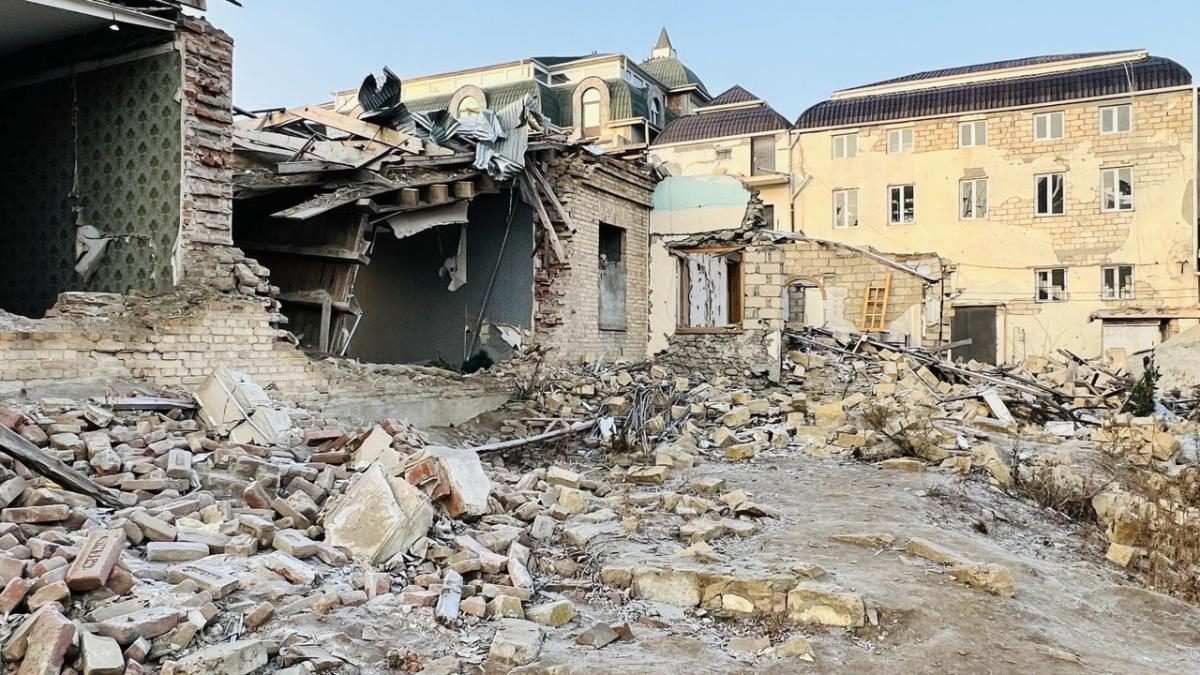
Sadly, there are many such “living” monuments to aggression in Azerbaijan. But there are even more of them now in Ukraine, and we should preserve this sad heritage, so that no one else would make earnest comments about “brotherly peoples” and a “common glorious past” again.
However, we must keep memories not only of the pain, but also of triumph. In the new neighborhood of the Azerbaijani capital, Baku, there is a recently opened Victory Museum, an open-air museum of trophy Russian equipment (used by the Armenian army), which now extremely irritates not only Yerevan, but Moscow as well.
Not only were the tanks and cannons taken from the Armenians brought here, but they also recreated the occupiers’ system of fortifications, observation posts, sniper nests, dugouts, headquarters and living quarters.
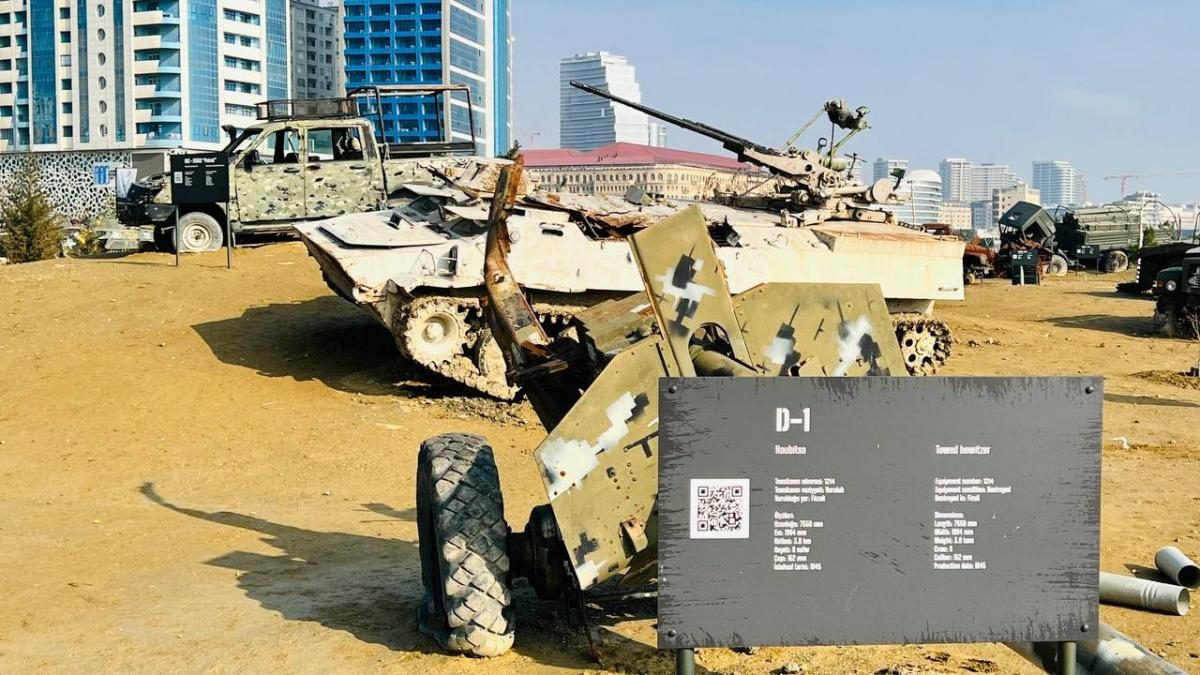
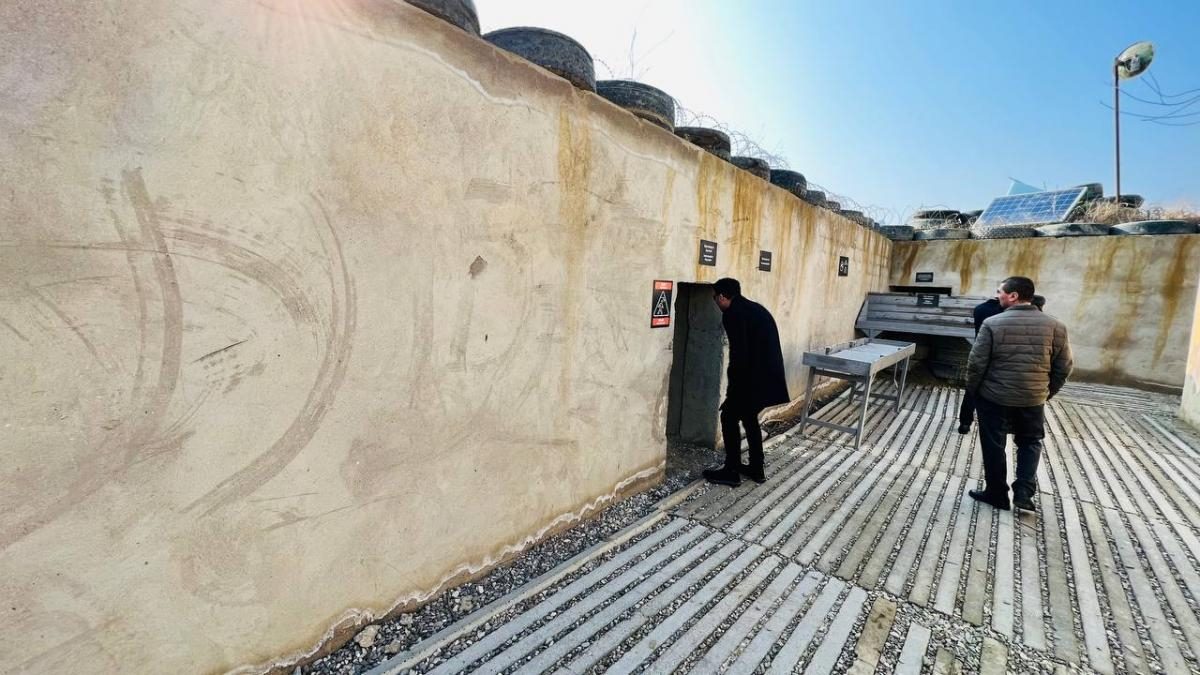
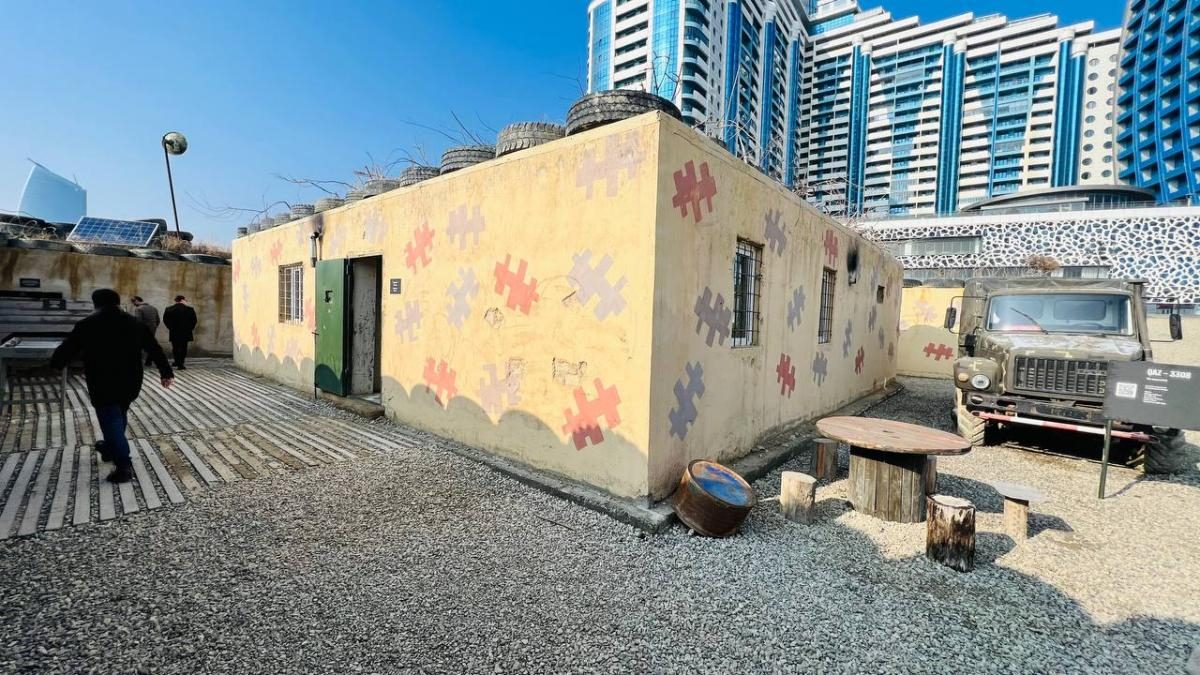
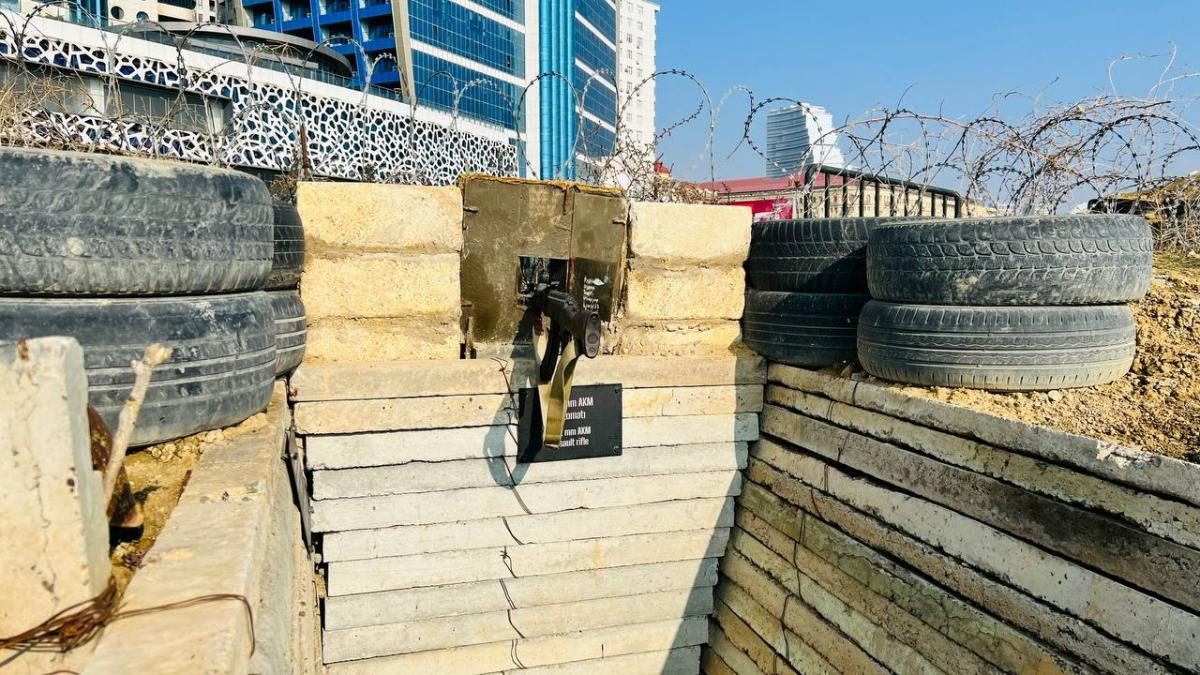
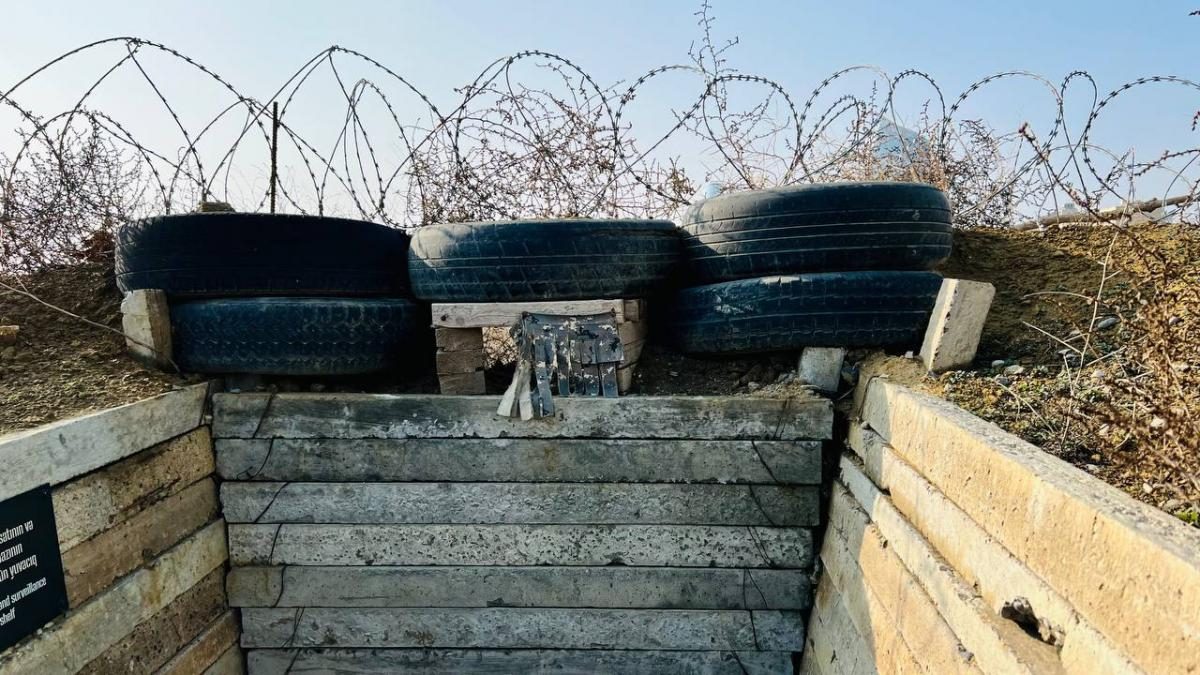
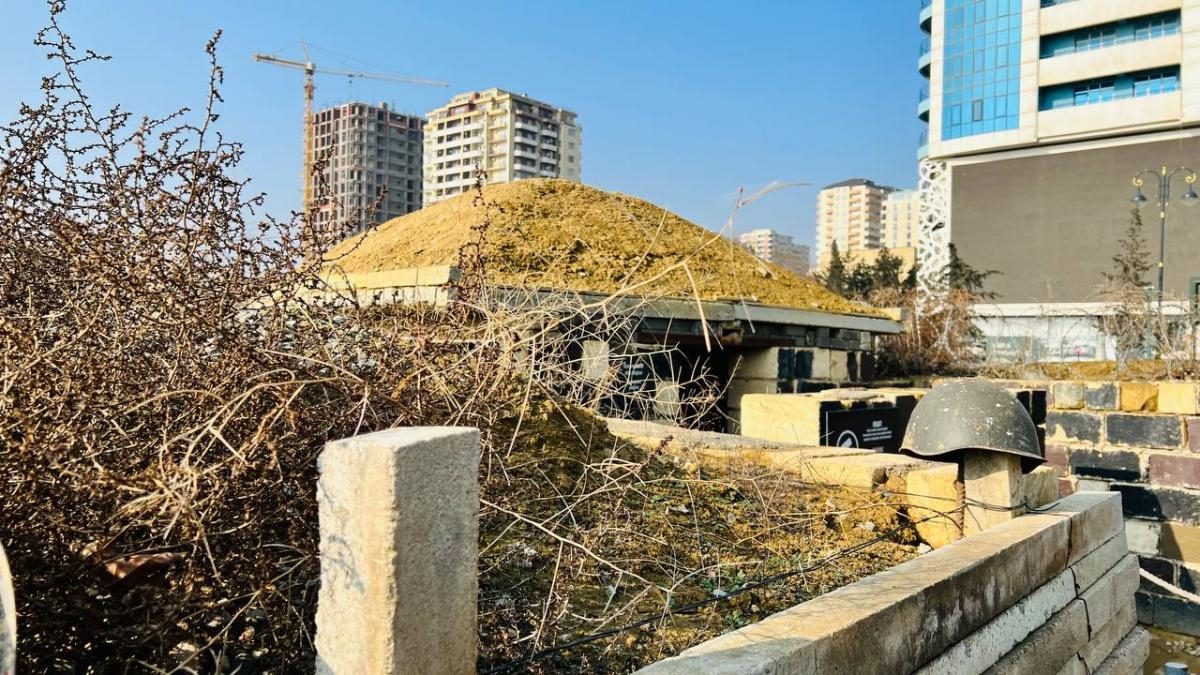
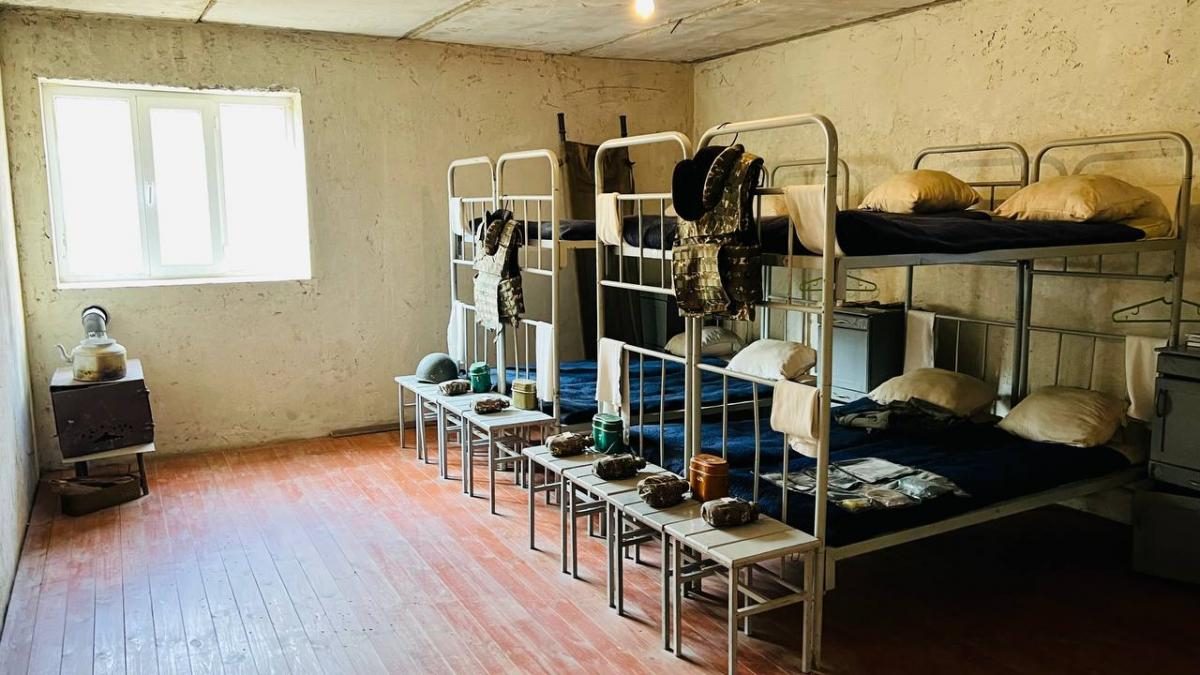
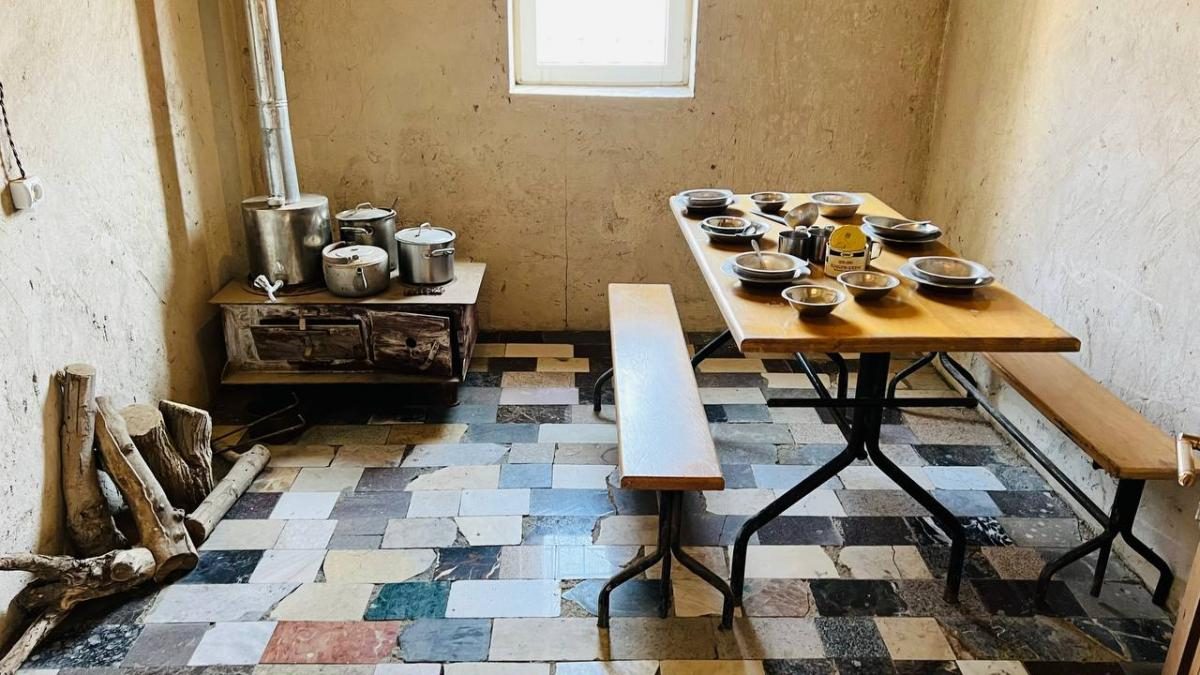
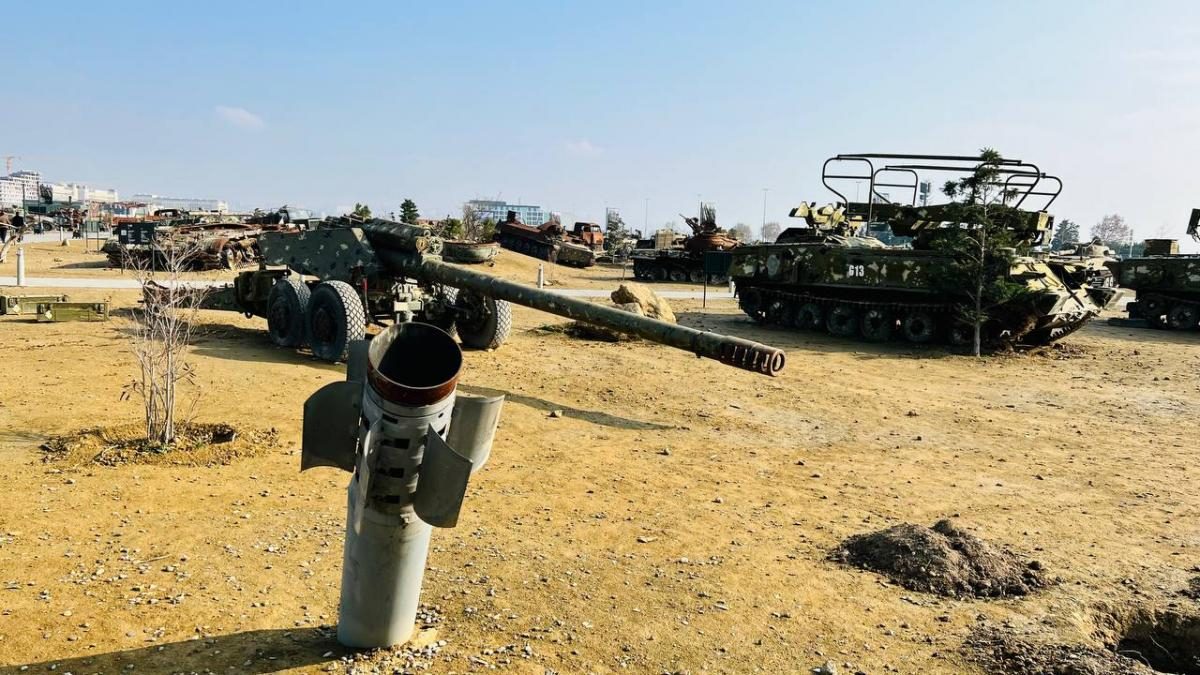
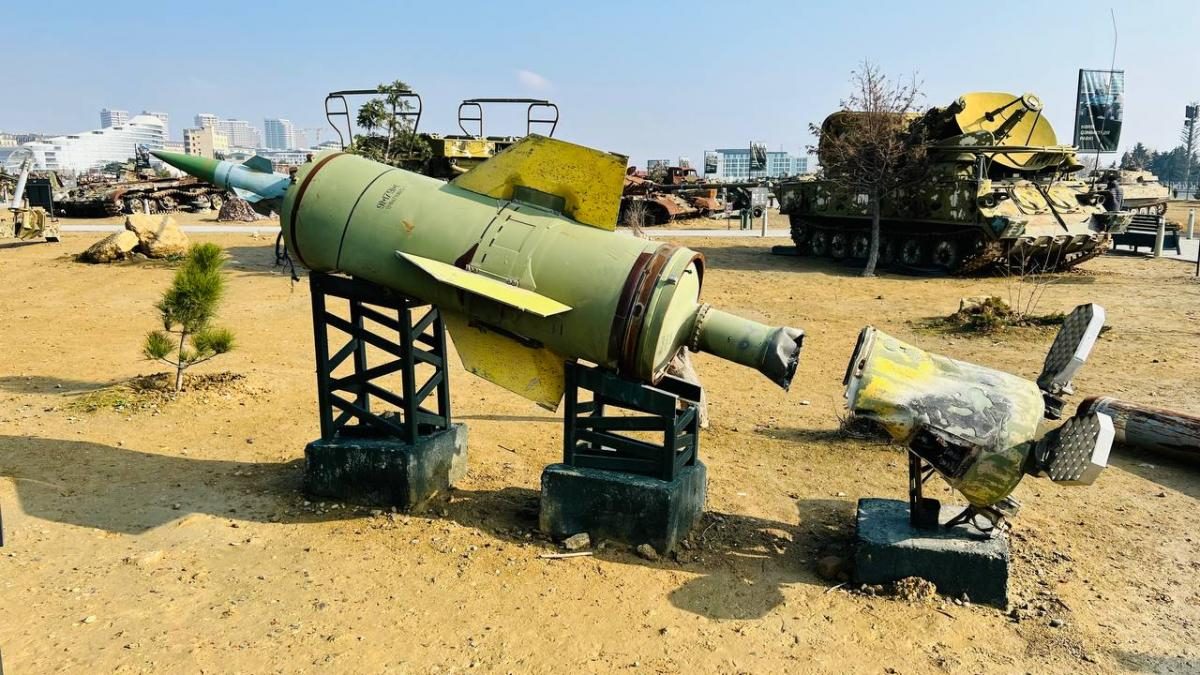
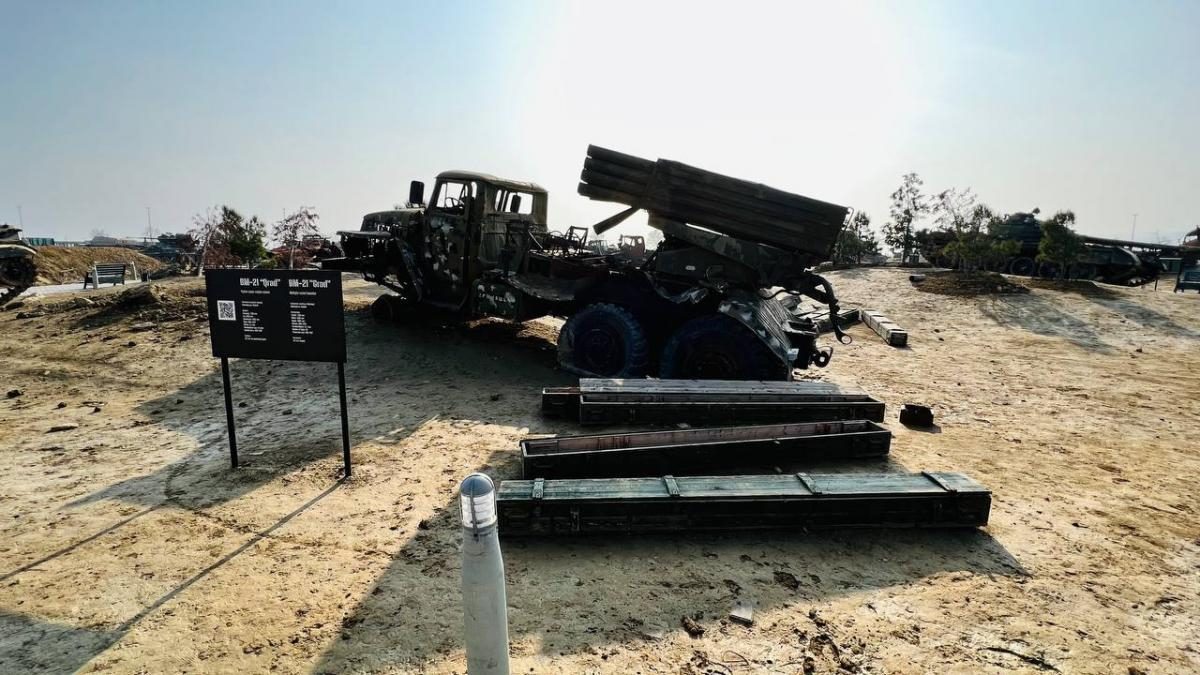
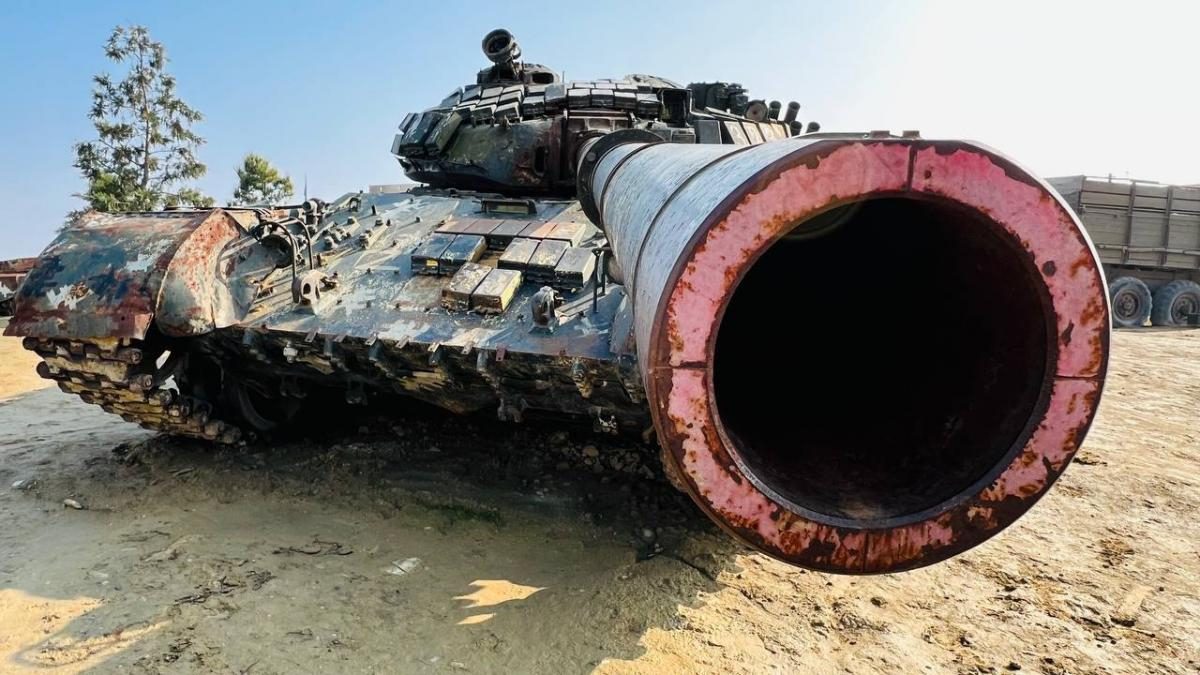
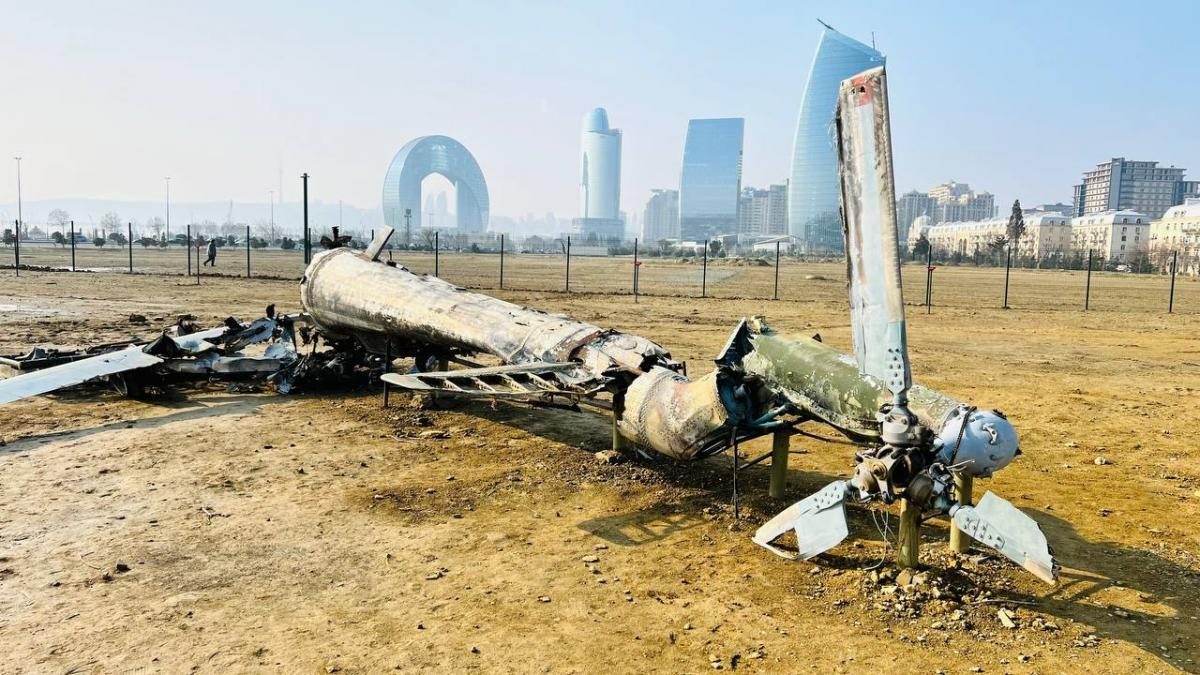
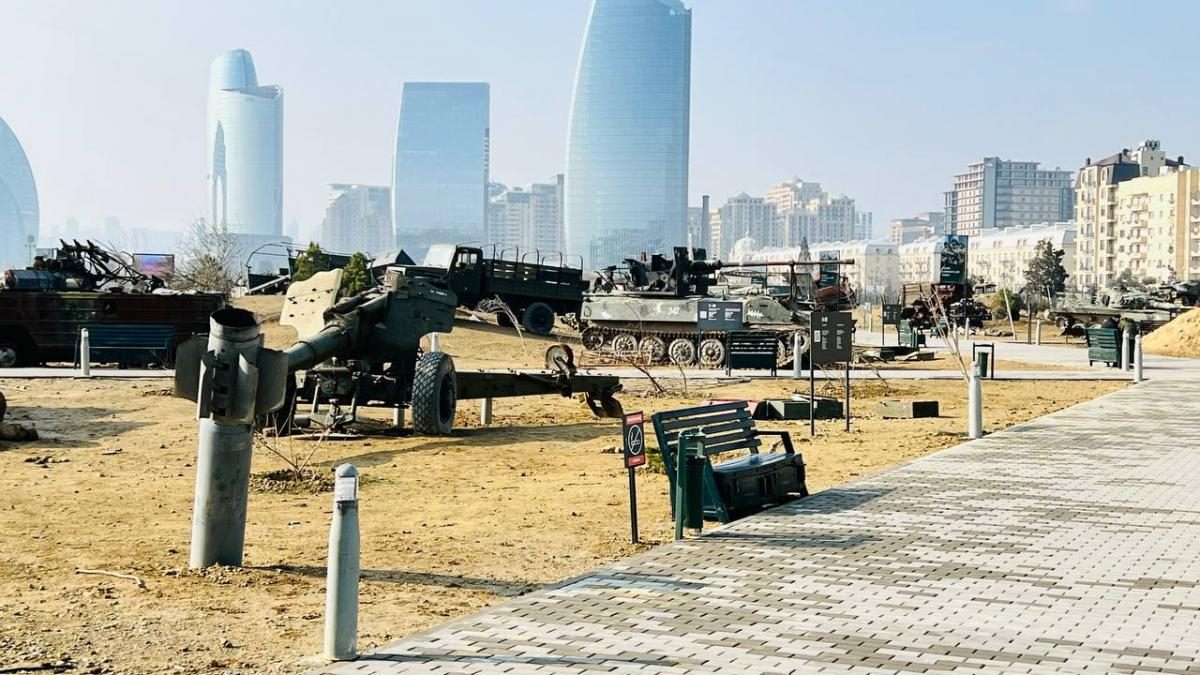
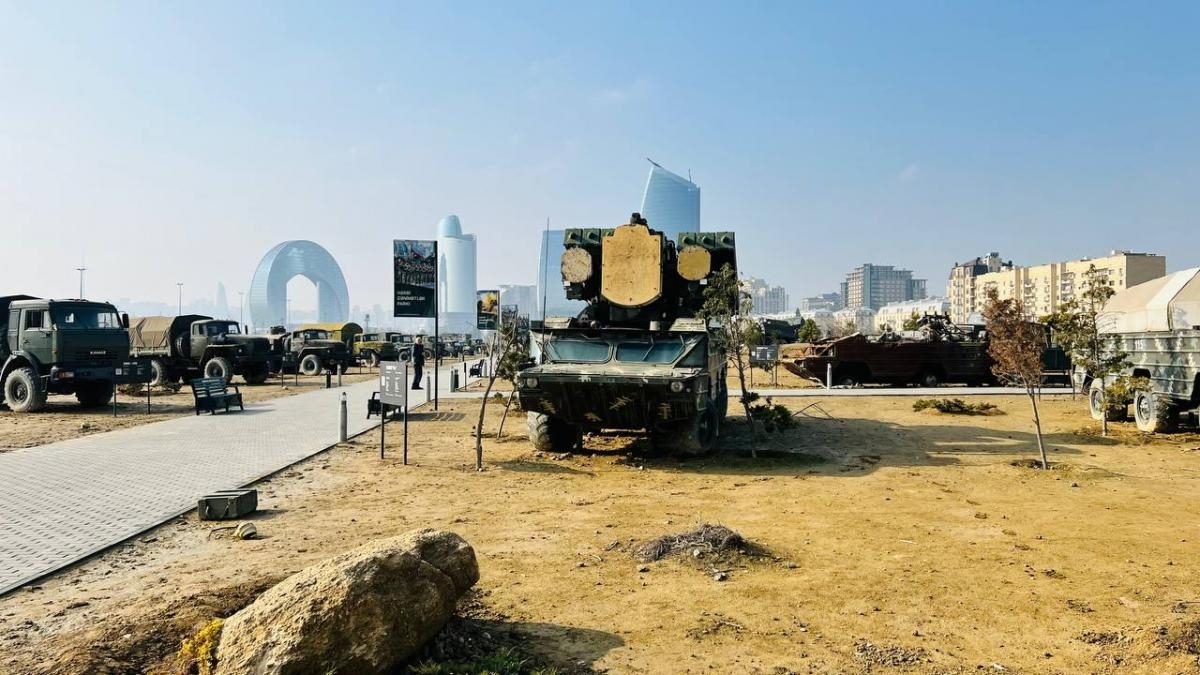
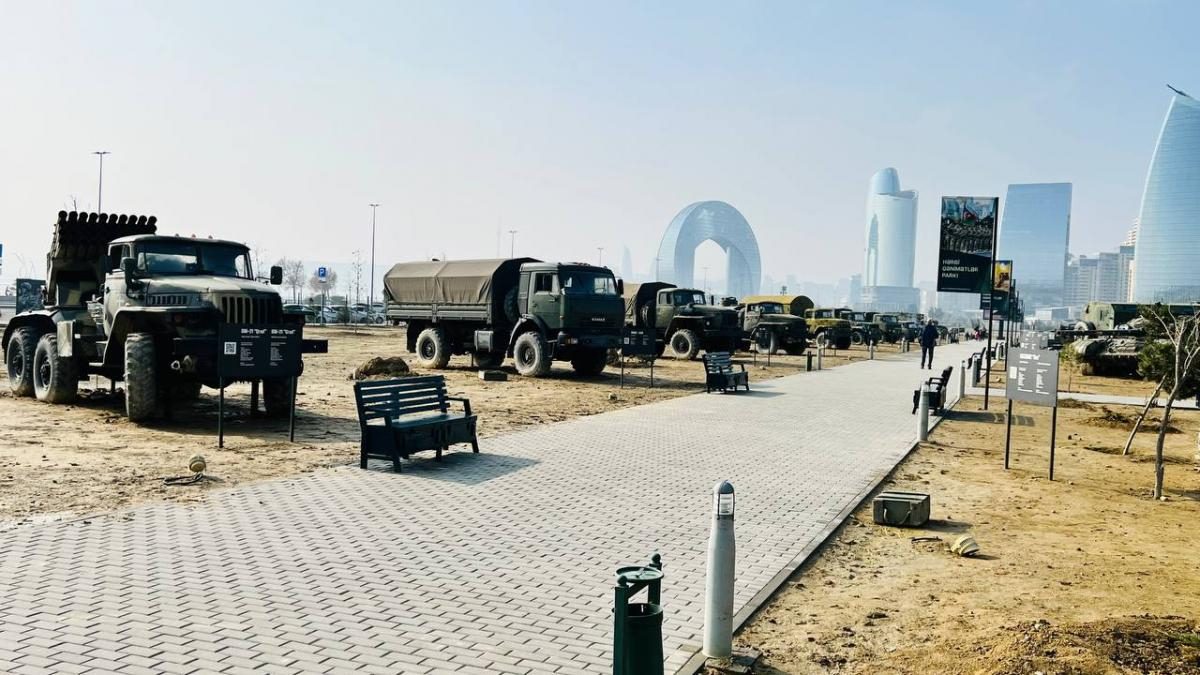
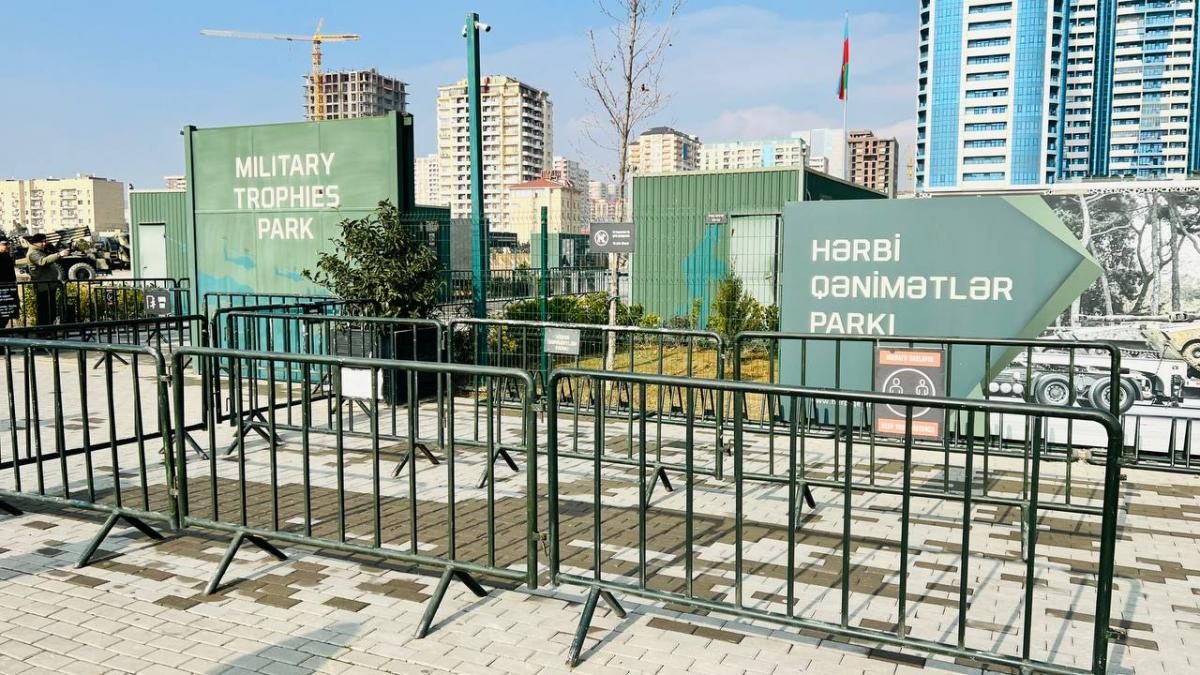
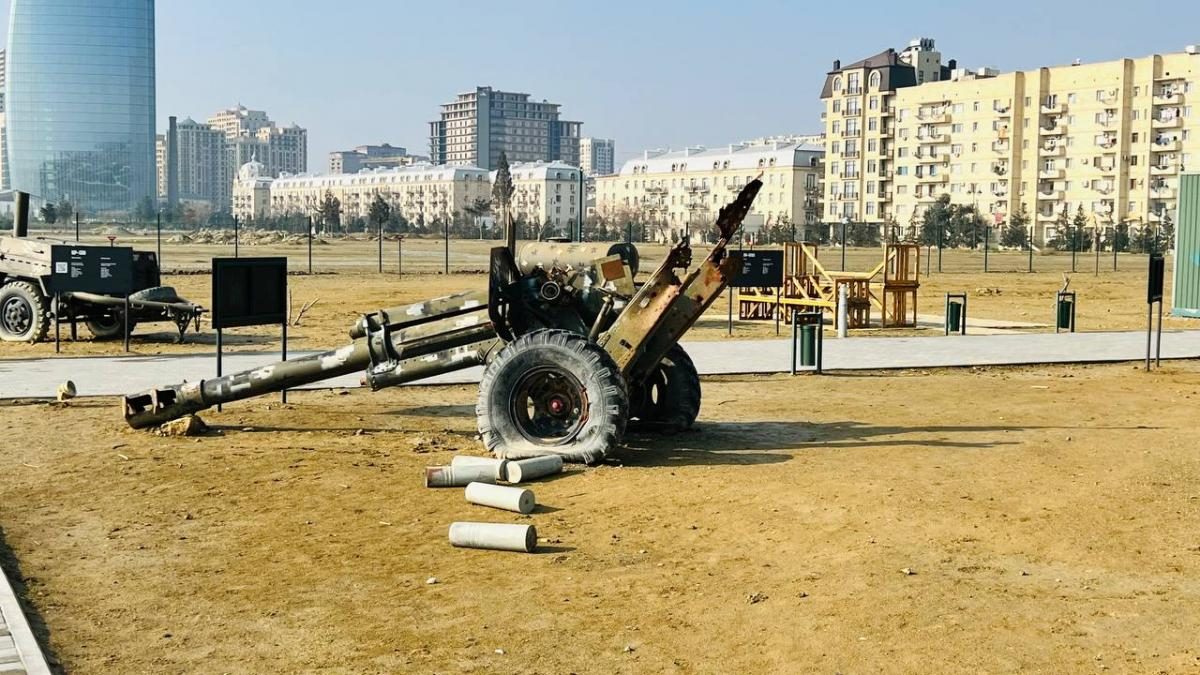
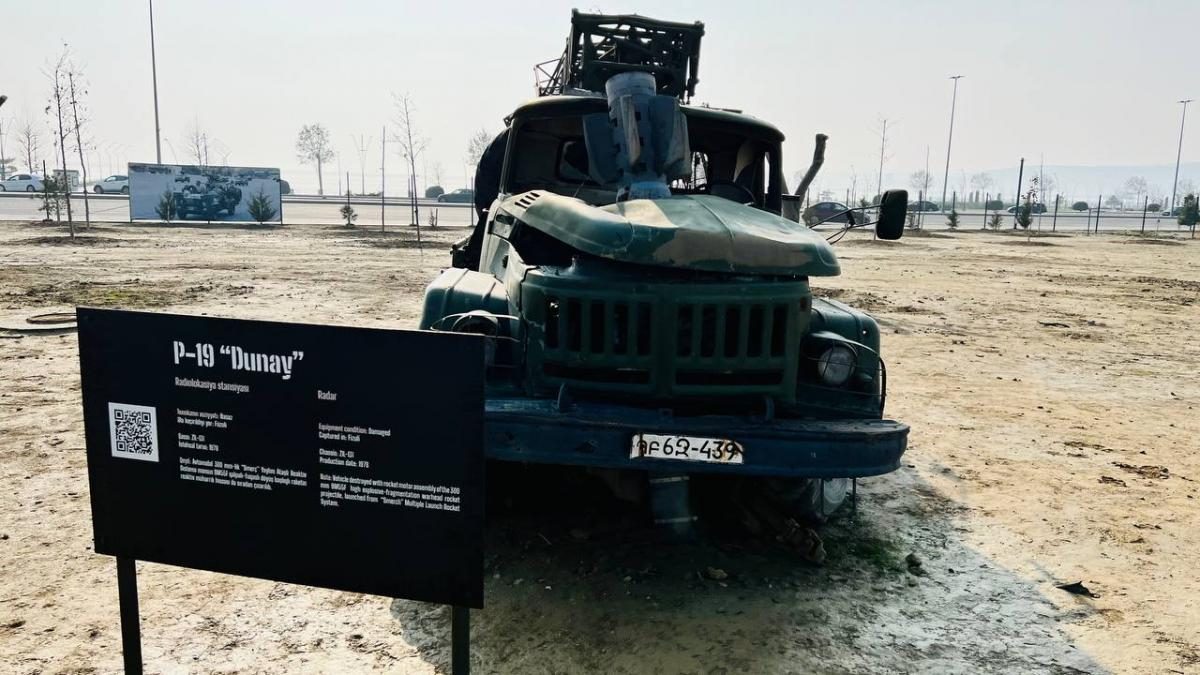
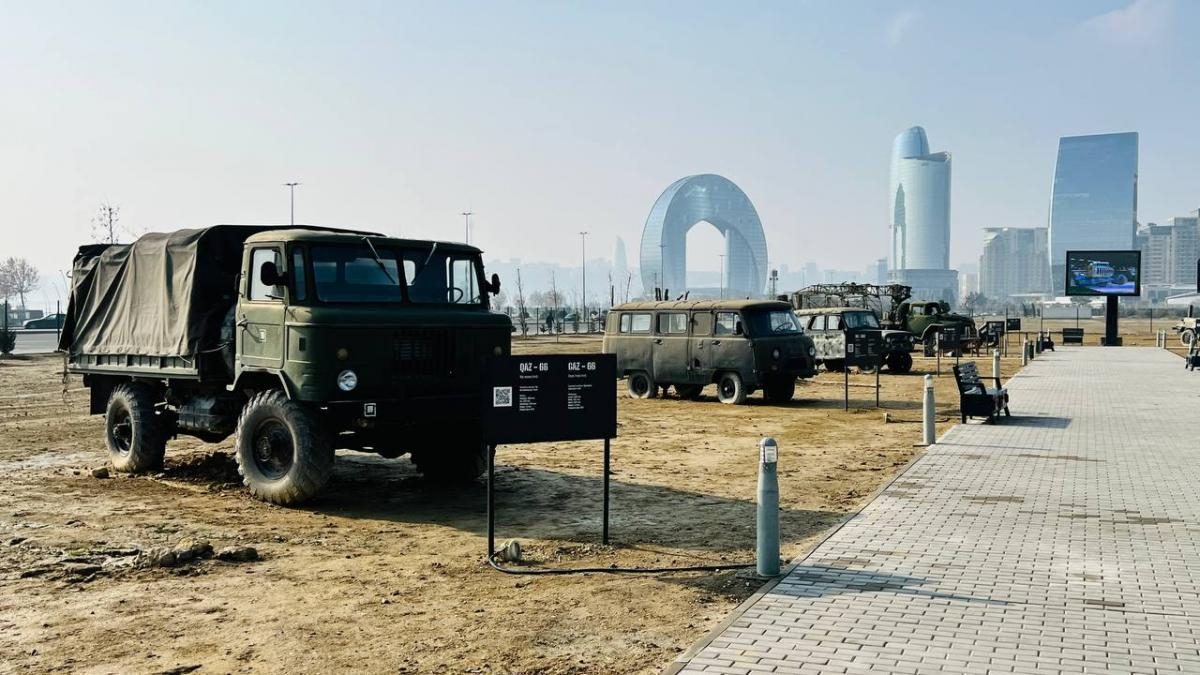
Looking at all this deadly scrap metal and concrete structures, you realize what efforts and work it took the liberating warriors to restore historical justice and the territorial integrity of their Motherland. And who, in fact, your “neighbors” are.
Now, of course, half of Ukraine is a sad museum. It is important not to clean up everything after the war. It is important to leave some painful traces of our tragedy for posterity.
… Azerbaijan is still not completely free. There are Russian “peacekeepers” on its soil, whom Azerbaijanis call “peacecreepers”. Using its propaganda machine and its influence in the UN in 2020, Moscow forced the international community to pressure Baku into allowing Russian soldiers to stay on its land. They are stationed near Khankendi, an Azerbaijani town populated predominantly by Armenians, and while allegedly “protecting” the Hays from potential Azerbaijani aggression, they are in fact covering up illegal gold mining in the region.
This, too, is a good lesson for every Ukrainian: there can be no peace talks until the Armed Forces of Ukraine have fully regained control over every square centimeter of our land. Otherwise, history will repeat itself.
Mikhail Gannitsky, Karabakh-Kyiv
Translated from Unian.net